I received an Aeolos 5 Tubeless Ready wheel from a customer.
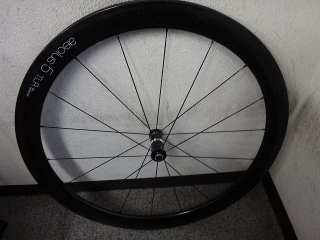
Starting with the front wheel.
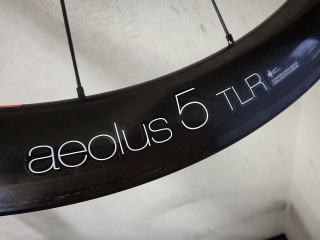
As indicated on the rim, this is a tubeless ready rim.
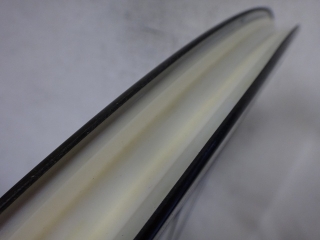
I've written many times in the past that you should never use a stretch band–type rim tape on tubeless-compatible rims with center channel indentations. Even if you're only ever going to run it tubeless, use a tape-type rim tape designed for tubeless instead.
This wheel does have a stretch band–type rim tape on the tubeless ready rim, but in this case it's an exception—it's actually okay.
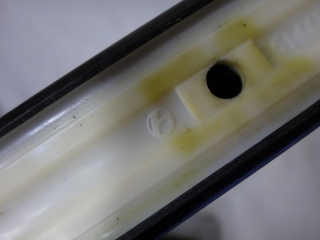
This is a Bontrager TLR Rim Strip, a rim tape that, while being a stretch band type, is still compatible with tubeless ready rims. The compatibility isn't "anything goes"—you need a rim that's specifically compatible with this tape.
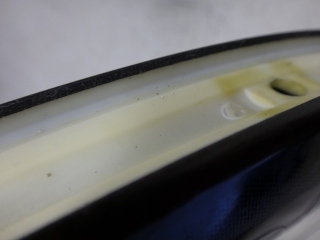
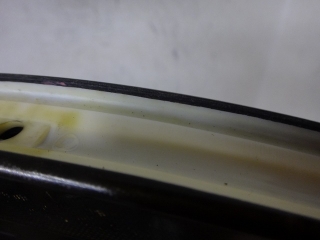
The tape seals all the way to the inside of the rim sidewall.
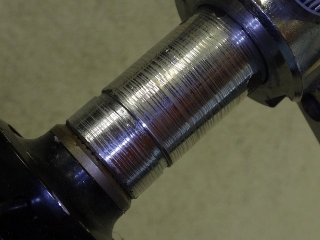
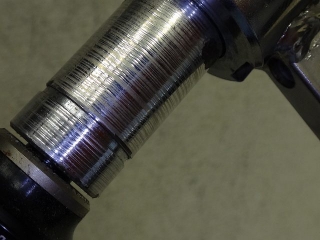
There was centering error. Maybe a paper-thickness worth could be explained by using a low-precision center gauge, but this is not acceptable. Moreover, even though this would normally be acceptable as-received precision, someone definitely touched it afterward and produced this result.
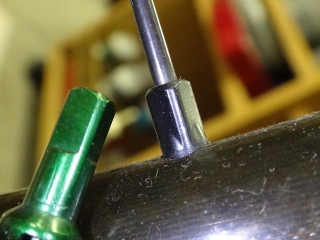
↑The green nipple in the image is a DT 12mm length one, but since this wheel's nipple can be turned from the outer side as well, the inner side hex grip height is short and the corners are oddly rounded. So basically, you shouldn't use tools on the inner side except for the most minute adjustments.
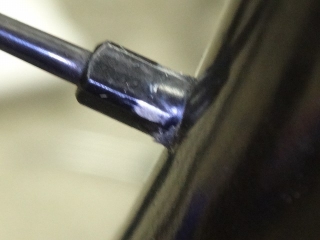
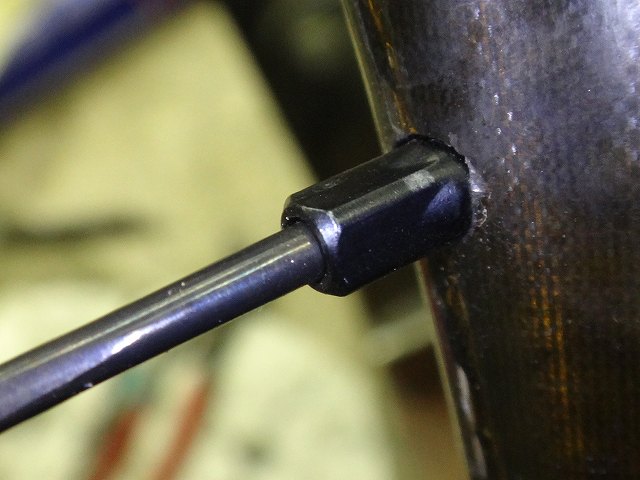
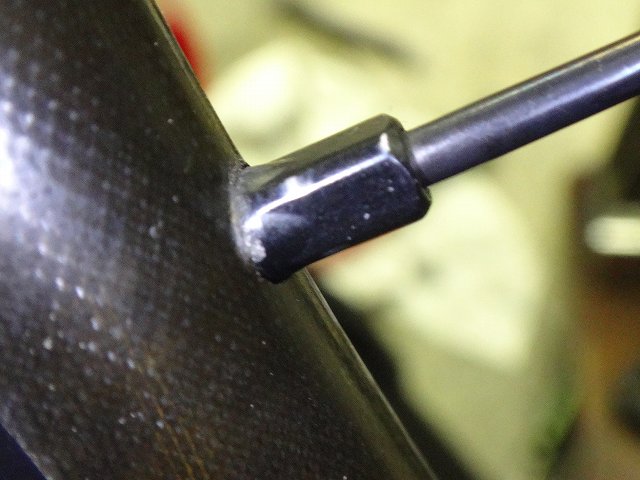
However, I noticed damage marks where the anodizing had peeled off at 2 of the 4 corners of the inner hex. This wasn't caused during factory assembly. And the tools I use don't make marks like this. I wrote "damage marks" instead of "marks" to emphasize that this is a defect that shouldn't exist. I'd actually love to know what tool could possibly make marks like these.
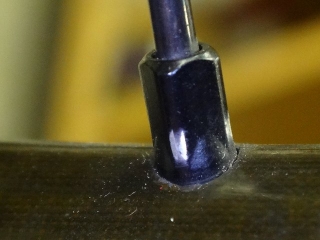
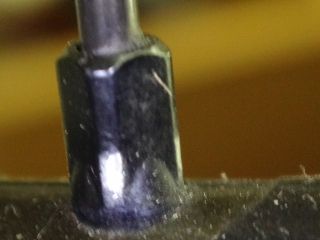
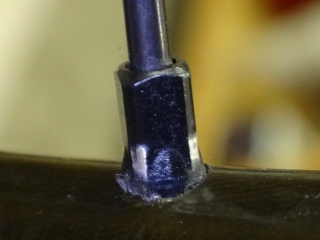
Based on the hub markings, these marks appeared on all the nipples on the left side spoke.
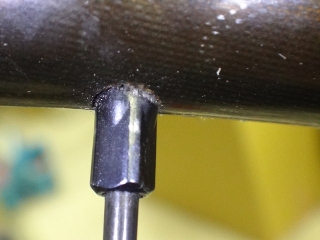
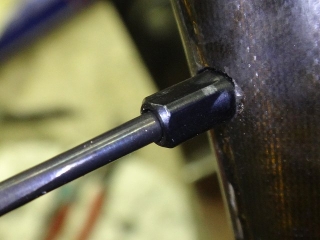

The right side has them too, but not nearly as prominently. There are spots where faint marks can be seen, but other spots have none at all.
What's baffling about this is that the centering error I mentioned at the start showed the rim shifted toward the left side. Clearly someone was turning the nipples biased to one side, so it seems like a centering attempt. If that's the case, tightening the left-side nipples would have shifted the rim to the left, not centered it. If centering was the intent, then a center gauge would have been checked before the work. But then afterward, even with the crappiest gauge imaginable, there's no way it couldn't detect that much offset. Whether they were tightening or loosening the biased side, the story doesn't add up.
If the centering error were minimal and I only needed to do minor truing, I would have been willing to grab the inner side of the nipples for adjustment. But the Bontrager TLR Rim Strip, once removed, develops a ruffled, dumpling-skin–like condition in the areas that were seated on the rim sidewall, making it extremely difficult to reinstall it cleanly on the rim. The manufacturer also doesn't recommend reuse, though they don't explicitly forbid it. I asked the customer, and currently they're only running this wheel with a tube anyway.
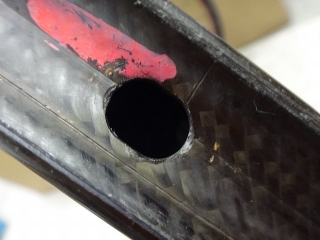
I removed the rim tape. The holes in the image are not the spoke nipple holes but rather air-release holes (probably) located 120° away from the valve hole on either side.
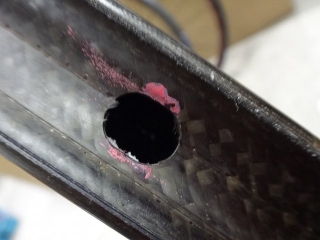
↑This is the other one. Both are oddly large slots, but—
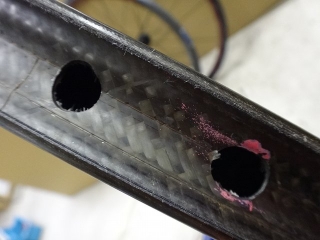
Regular rim holes are perfectly circular.
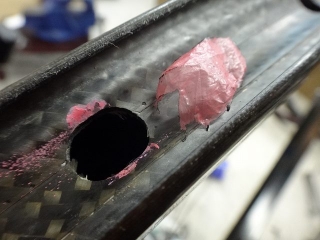
The rim was rattling, so I extracted the foreign matter. It was balloon scraps left over from molding. They're still in there.
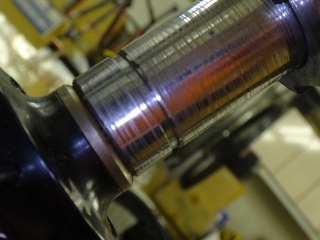
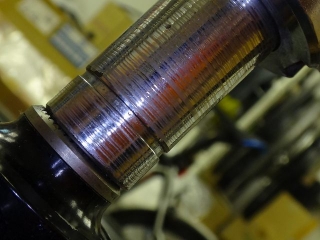
I did truing and centering by increasing tension on one side (the right) only. I used only the outer hex grip.

As I mentioned before, when the TLR Rim Strip is removed from the rim, part of the edge becomes wavy.
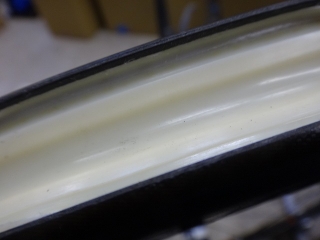
The non-wavy portions fit cleanly back into the rim sidewall channel, but—
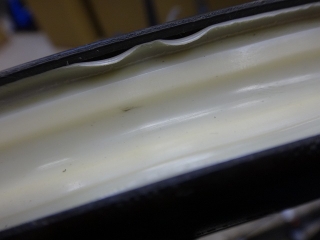
The wavy sections look like this.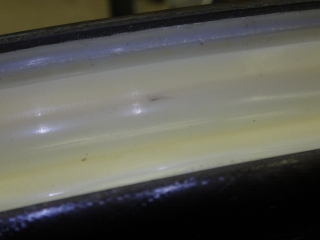
But usually it works out fine. Looking at the dirt on the rim tape in the image above, you can see it's the same location as the previous image.
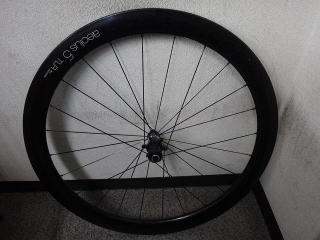
Next, the rear wheel. The customer wants me to swap the Shimano 11-speed freebody for a Campagnolo one and replace the star ratchet parts with a 54-tooth version.
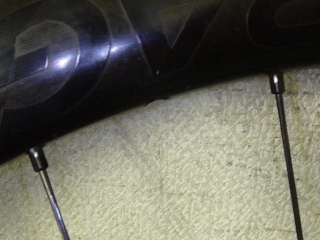
↑These are the rim holes to the left and right of the valve hole, but—

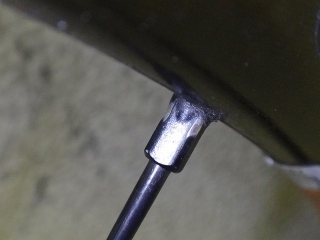
Both nipples show the same damage marks. On the rear wheel, someone was messing with nipples left and right without discrimination.
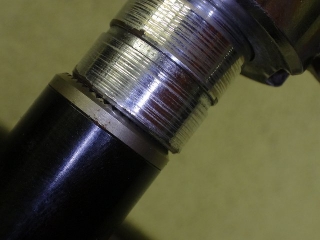
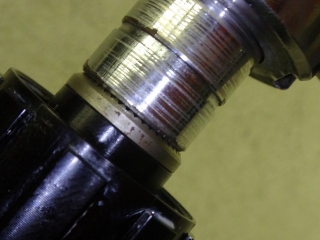
Surprisingly, the preliminary centering was dead on. There was some runout when I checked later, so if I'd looked hard I probably could have found a position with a paper-thickness centering error, but that level isn't a concern. The front wheel's error, on the other hand, is indefensible.
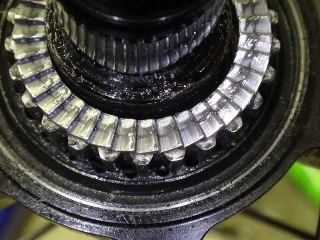
The original star ratchet part was upgraded from the standard 18-tooth to a 36-tooth version.
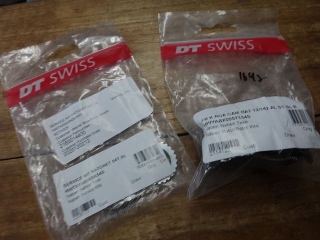
↑The 54-tooth ratchet part and the Campagnolo rotor kit. DT calls the freebody plus right end a "rotor kit," and since the right end dimensions vary depending on the freebody spec, they need to be changed as a set. That's why single freebody sales don't exist (though they did back in the Shimano 10-speed era).
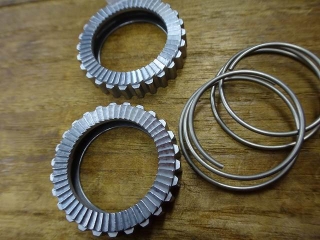
↑The 54-tooth part here.

↑Wait, hold on. This Campagnolo rotor kit's right end is a thru-axle type?! Are you kidding me?!
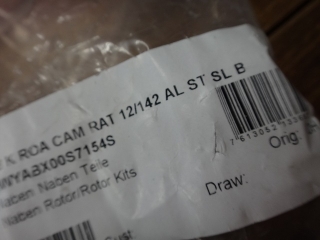
The packaging even says 12mm diameter, 142mm width.
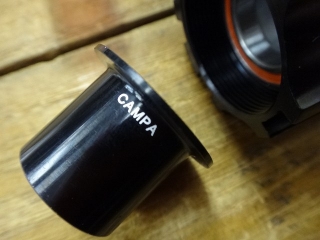
The thru-axle version of the right end for Campagnolo is a unique dimension as well.
Since this is a customer's deposit, this is not my mistake, but it's created a problem.
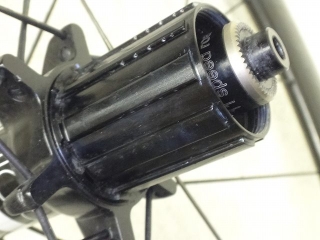
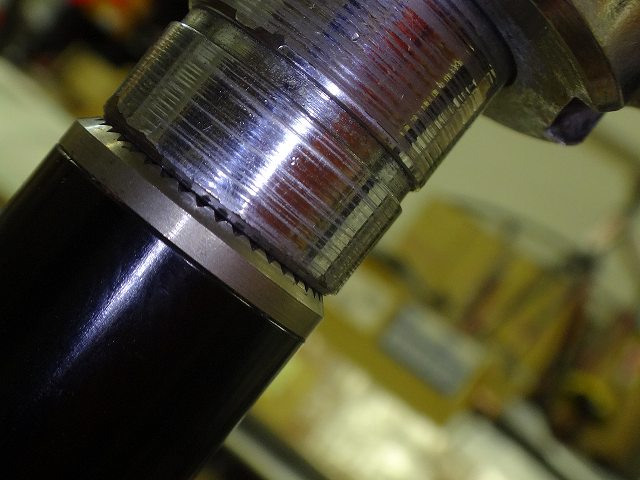
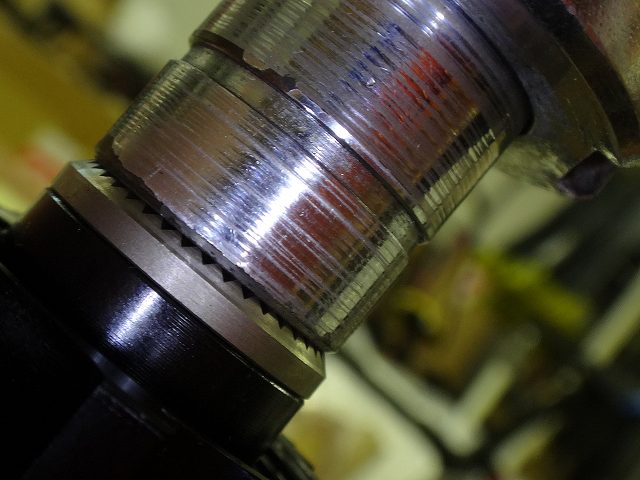
Going back in time a bit, the right end of the Shimano 11-speed freebody has—
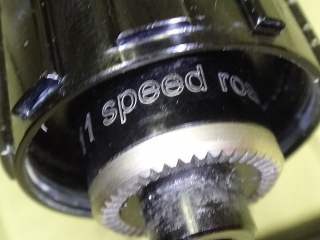
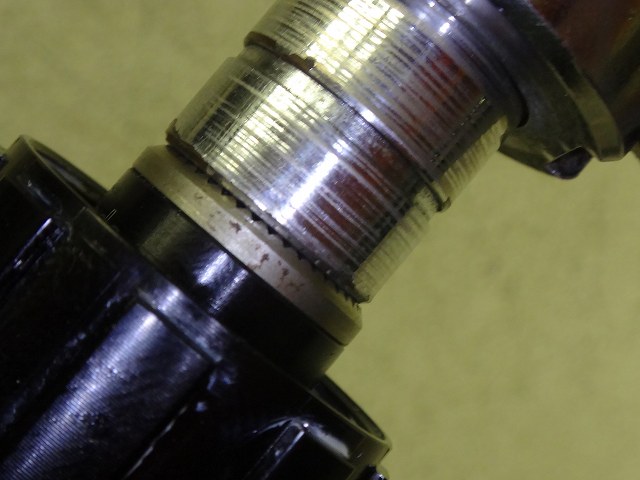
"11 speed road" stamped on it. For the Shimano 10-speed version, there's no marking at all.

I removed and cleaned it. Since this right end is longer than the Shimano 10-speed version, when you swap the rotor kit to Shimano 11-speed, the rim shifts toward the anti-freewheel side, moving the wheel center. (Also, the shift adjustment position won't line up with Shimano OEM and most Shimano 11-speed compatible freebodies.) To correct that center shift, you either need to increase tension on the already-tight freewheel side, or—except for 2:1 lacing—further loosen the already-slack anti-freewheel side. But Trek actually states officially that centering errors caused by DT freebody swaps shouldn't be corrected. This wheel isn't that old, but it still has radial lacing on the anti-freewheel side with even spoke counts on both sides. It's absurd. Rotor and Shimano both make decent products for everything else, but when it comes to wheel building their IQ suddenly drops. I find that incredibly strange.
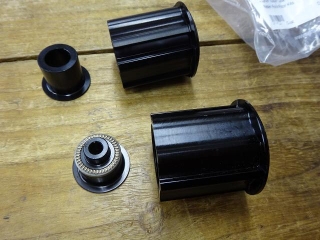
Actually, I have a Campagnolo rotor kit in stock. The freebody part is the same on both, and the customer said they'd handle the rotor kit situation themselves, so I decided to install this right end and do the centering for now.
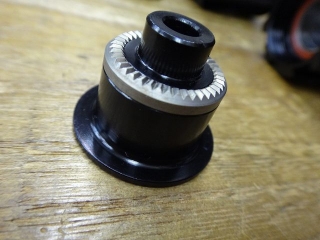
The Campagnolo right end has no marking, just like the Shimano 10-speed version. Campagnolo has been using aluminum freebodies since way back, and at the time they couldn't make them as thin as Shimano, so the lock ring thread diameter is smaller. On current complete wheels, the thin white-anodized aluminum freebody is only offered for Shimano, but that capability came much later. The Campagnolo freebody has thick splines, so the right end flange diameter is smaller than Shimano's.
Earlier I said freebody single sales don't exist, but left and right end singles aren't completely unavailable. Some complete wheels do offer spare parts as end-only single sales. Some DT complete wheels, depending on the year and model, let you change ends alone from quick-release to thru-axle or BOOST specs or vice versa without buying a new freebody. Among those are dimensions matching standard 240 hubs, so end-only purchases are sometimes possible.
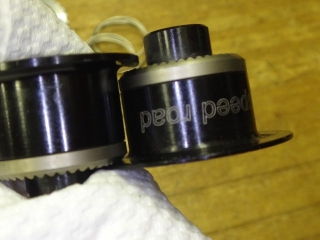
Comparing the Campagnolo and Shimano 11-speed right ends—
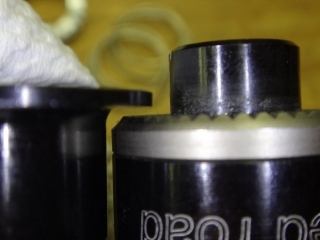
The Campagnolo one is longer. In terms of right end length, the Shimano 11-speed is longer than the 10-speed, and the Campagnolo is even longer than that. Logically, that should mean the rim shifts toward the anti-freewheel side after the rotor kit swap, but—
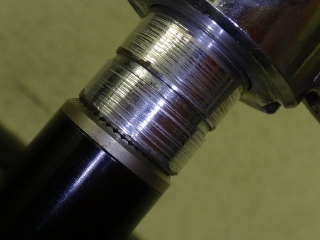
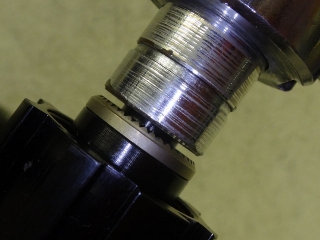
Actually, the rim shifts toward the freewheel side. Which is convenient, because the low-tension side can then be tightened further. Why does the rim shift right even though the right end got longer? It's because—
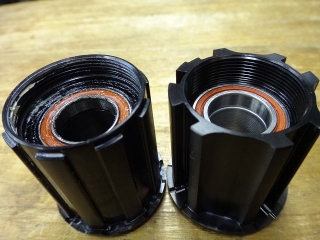
The Campagnolo freebody's end seating depth is positioned inward, and the dimension difference there is larger than the end length difference.
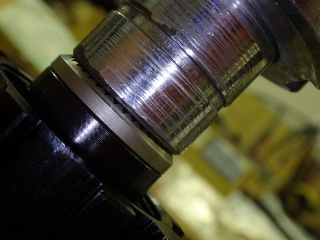
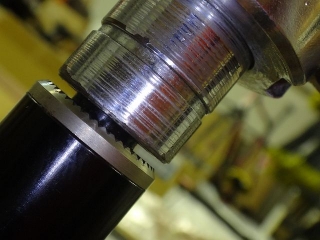
I tightened the anti-freewheel side a half-turn at a time. It flipped direction quickly. The anti-freewheel side moves more laterally per nipple rotation than the freewheel side, and radial lacing moves more than tangent lacing, so anti-freewheel radial lacing moves like crazy with just a little turning.

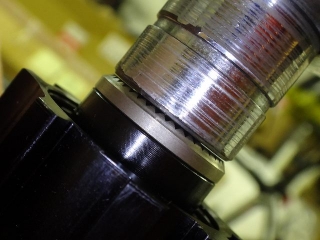
I loosened it a quarter turn. The rim is now shifted about two paper thicknesses toward the freewheel side, so I'm chasing the lateral runout with anti-freewheel emphasis while tightening the whole thing very slightly—
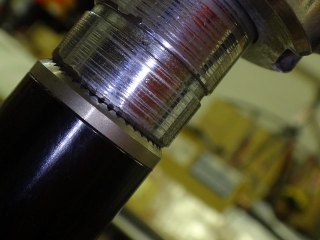
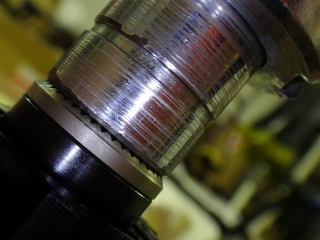
I've completed the centering and truing.
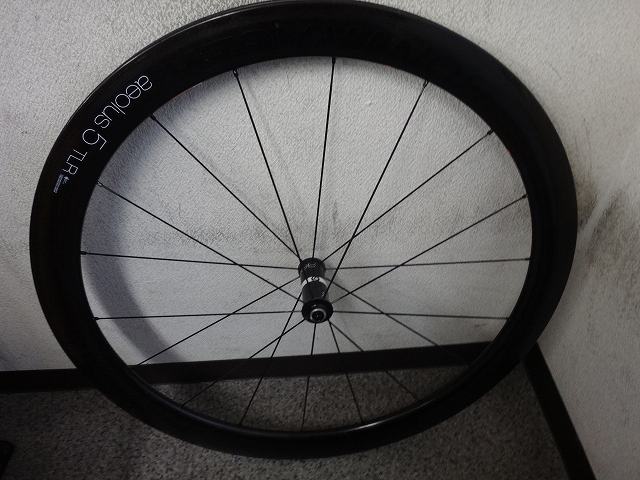
Starting with the front wheel.

As indicated on the rim, this is a tubeless ready rim.
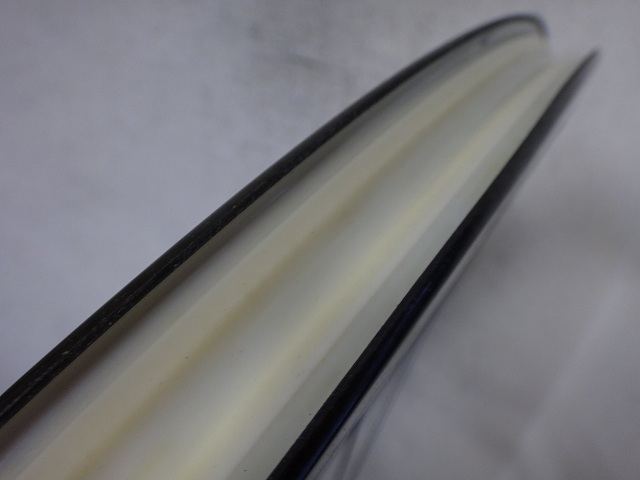
I've written many times in the past that you should never use a stretch band–type rim tape on tubeless-compatible rims with center channel indentations. Even if you're only ever going to run it tubeless, use a tape-type rim tape designed for tubeless instead.
This wheel does have a stretch band–type rim tape on the tubeless ready rim, but in this case it's an exception—it's actually okay.
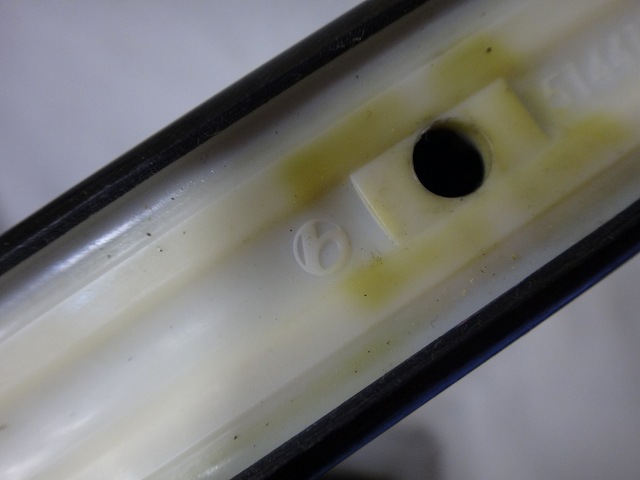
This is a Bontrager TLR Rim Strip, a rim tape that, while being a stretch band type, is still compatible with tubeless ready rims. The compatibility isn't "anything goes"—you need a rim that's specifically compatible with this tape.


The tape seals all the way to the inside of the rim sidewall.

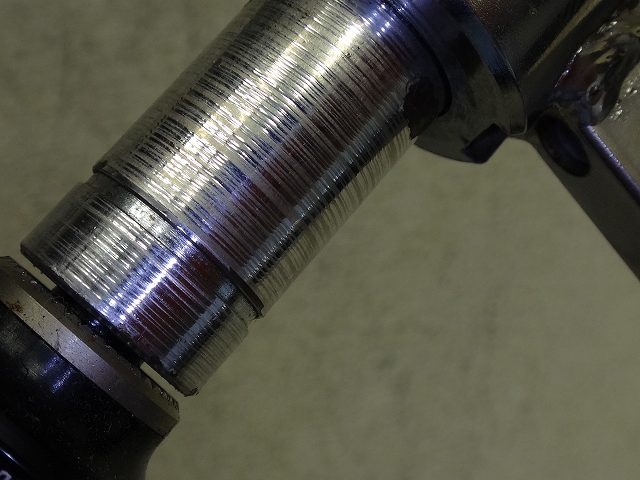
There was centering error. Maybe a paper-thickness worth could be explained by using a low-precision center gauge, but this is not acceptable. Moreover, even though this would normally be acceptable as-received precision, someone definitely touched it afterward and produced this result.
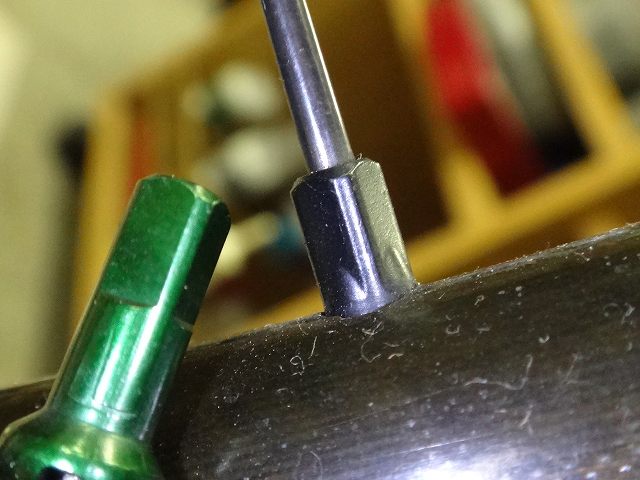
↑The green nipple in the image is a DT 12mm length one, but since this wheel's nipple can be turned from the outer side as well, the inner side hex grip height is short and the corners are oddly rounded. So basically, you shouldn't use tools on the inner side except for the most minute adjustments.

However, I noticed damage marks where the anodizing had peeled off at 2 of the 4 corners of the inner hex. This wasn't caused during factory assembly. And the tools I use don't make marks like this. I wrote "damage marks" instead of "marks" to emphasize that this is a defect that shouldn't exist. I'd actually love to know what tool could possibly make marks like these.

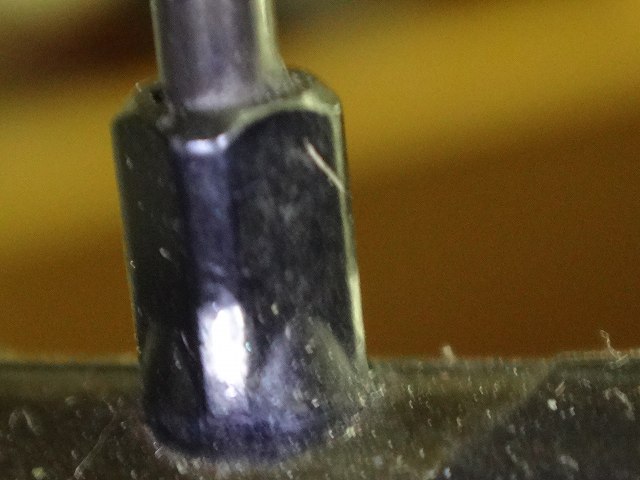
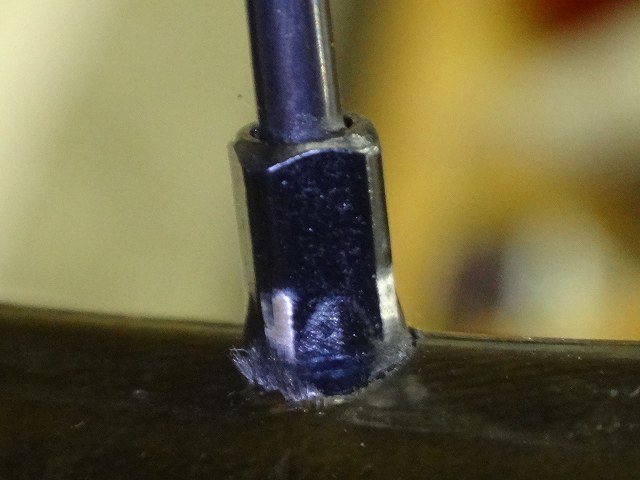
Based on the hub markings, these marks appeared on all the nipples on the left side spoke.
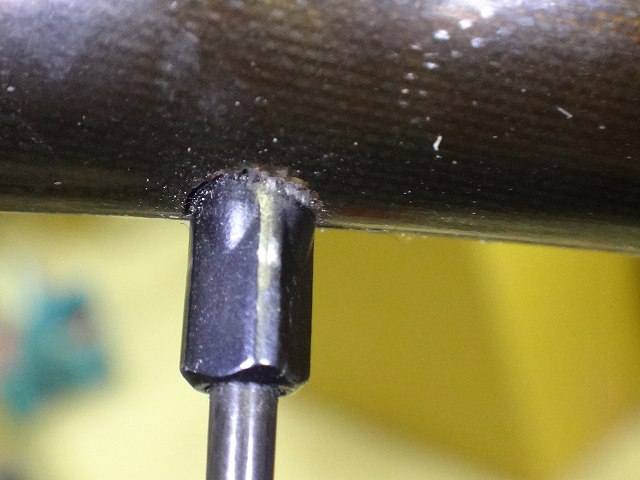
The right side has them too, but not nearly as prominently. There are spots where faint marks can be seen, but other spots have none at all.
What's baffling about this is that the centering error I mentioned at the start showed the rim shifted toward the left side. Clearly someone was turning the nipples biased to one side, so it seems like a centering attempt. If that's the case, tightening the left-side nipples would have shifted the rim to the left, not centered it. If centering was the intent, then a center gauge would have been checked before the work. But then afterward, even with the crappiest gauge imaginable, there's no way it couldn't detect that much offset. Whether they were tightening or loosening the biased side, the story doesn't add up.
If the centering error were minimal and I only needed to do minor truing, I would have been willing to grab the inner side of the nipples for adjustment. But the Bontrager TLR Rim Strip, once removed, develops a ruffled, dumpling-skin–like condition in the areas that were seated on the rim sidewall, making it extremely difficult to reinstall it cleanly on the rim. The manufacturer also doesn't recommend reuse, though they don't explicitly forbid it. I asked the customer, and currently they're only running this wheel with a tube anyway.
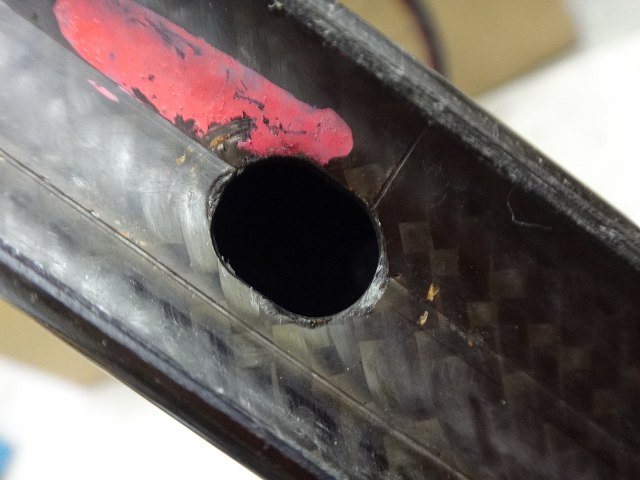
I removed the rim tape. The holes in the image are not the spoke nipple holes but rather air-release holes (probably) located 120° away from the valve hole on either side.
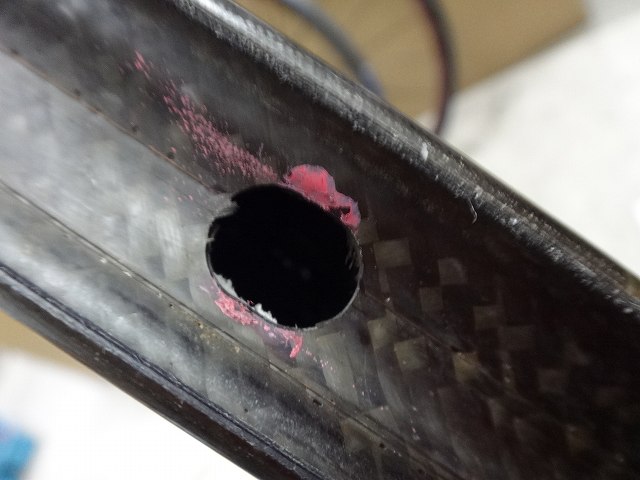
↑This is the other one. Both are oddly large slots, but—
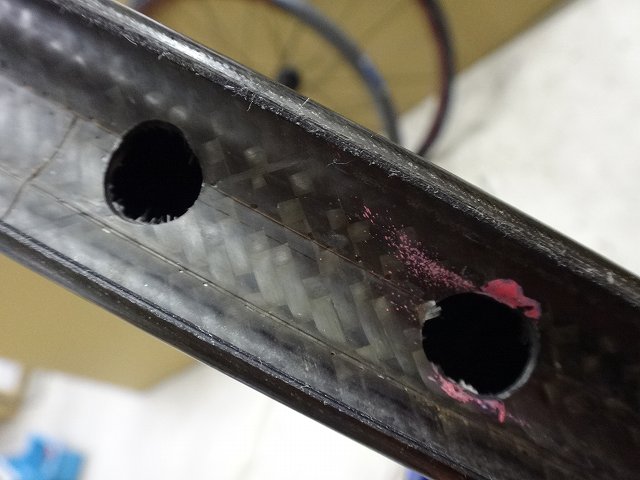
Regular rim holes are perfectly circular.

The rim was rattling, so I extracted the foreign matter. It was balloon scraps left over from molding. They're still in there.
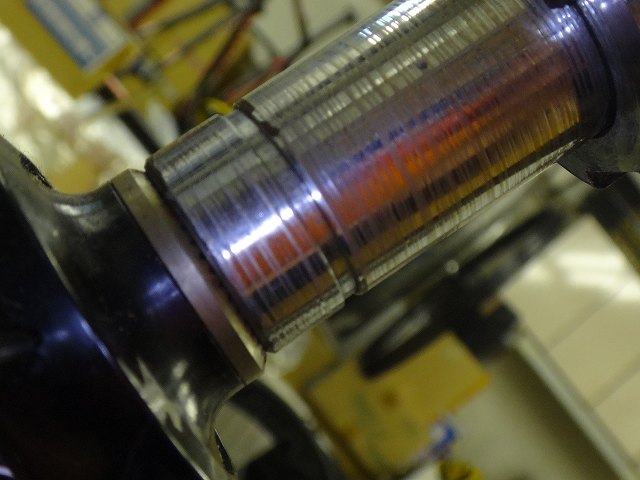
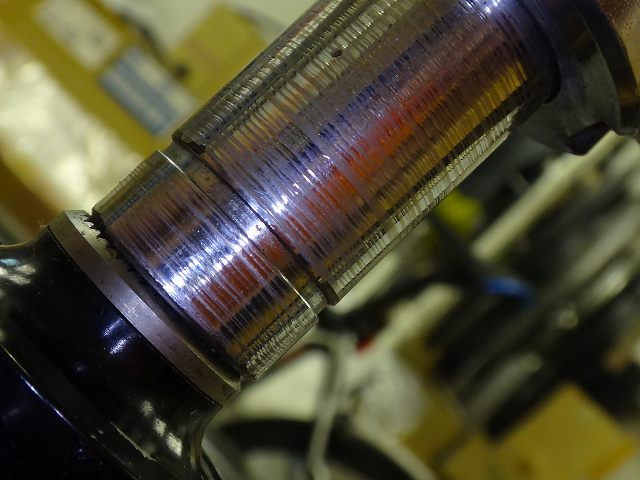
I did truing and centering by increasing tension on one side (the right) only. I used only the outer hex grip.
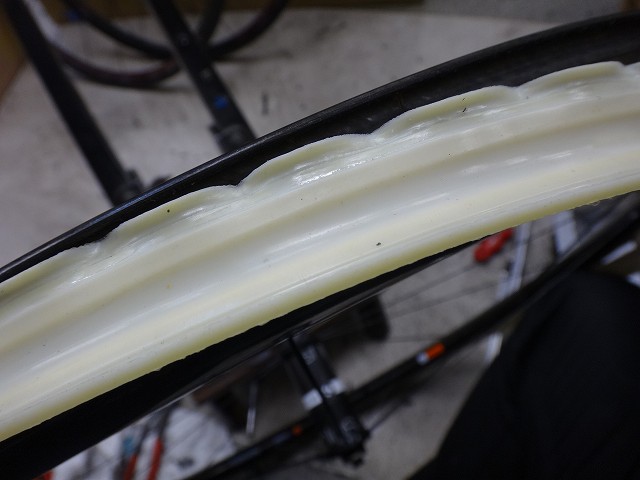
As I mentioned before, when the TLR Rim Strip is removed from the rim, part of the edge becomes wavy.
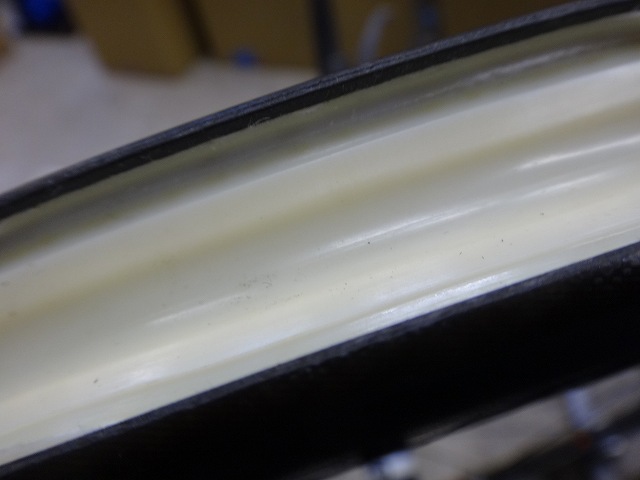
The non-wavy portions fit cleanly back into the rim sidewall channel, but—

The wavy sections look like this.
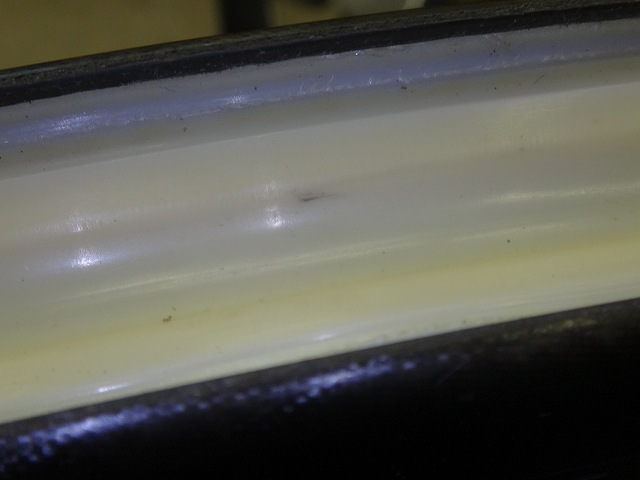
But usually it works out fine. Looking at the dirt on the rim tape in the image above, you can see it's the same location as the previous image.
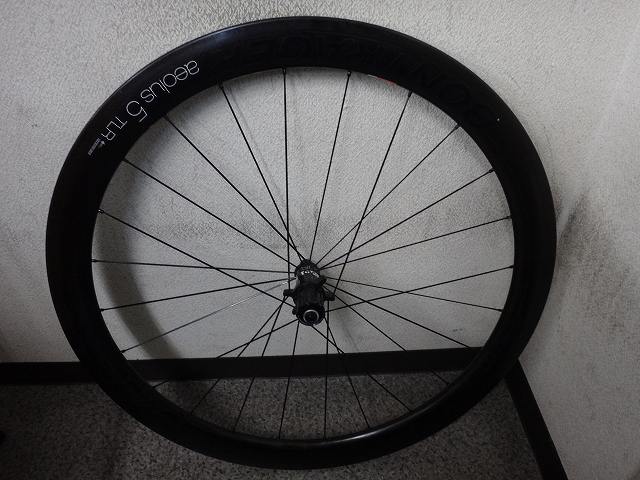
Next, the rear wheel. The customer wants me to swap the Shimano 11-speed freebody for a Campagnolo one and replace the star ratchet parts with a 54-tooth version.
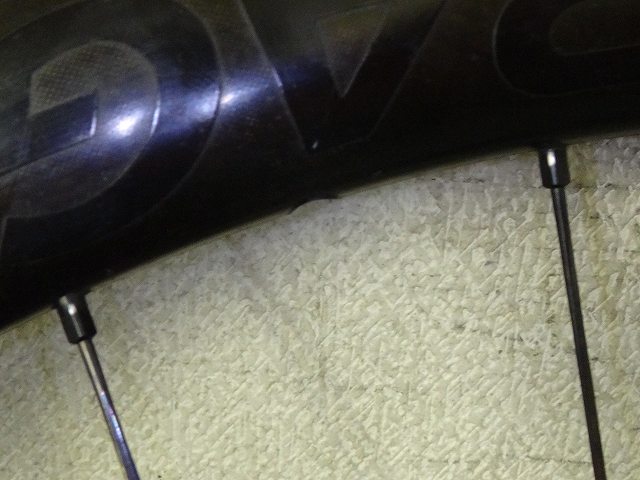
↑These are the rim holes to the left and right of the valve hole, but—
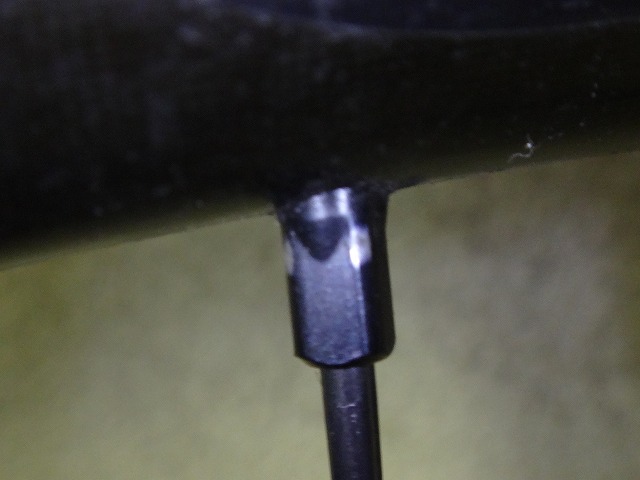

Both nipples show the same damage marks. On the rear wheel, someone was messing with nipples left and right without discrimination.

Surprisingly, the preliminary centering was dead on. There was some runout when I checked later, so if I'd looked hard I probably could have found a position with a paper-thickness centering error, but that level isn't a concern. The front wheel's error, on the other hand, is indefensible.
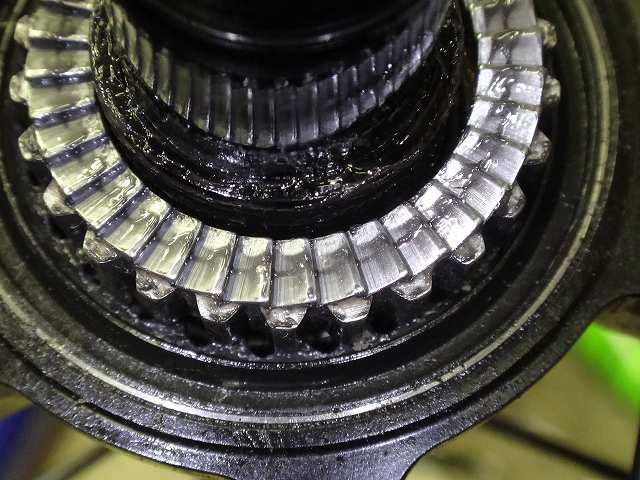
The original star ratchet part was upgraded from the standard 18-tooth to a 36-tooth version.
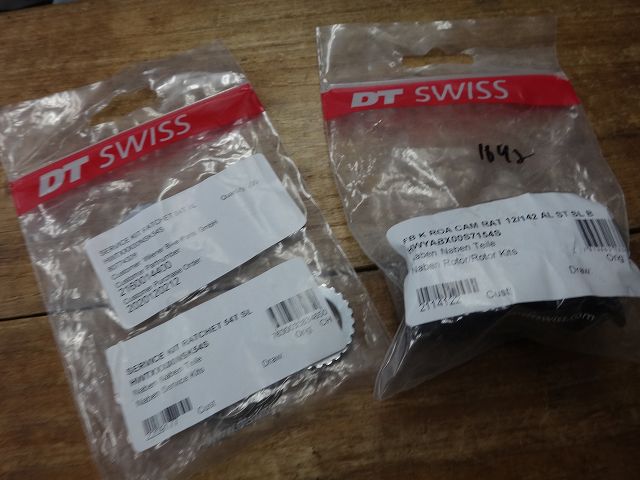
↑The 54-tooth ratchet part and the Campagnolo rotor kit. DT calls the freebody plus right end a "rotor kit," and since the right end dimensions vary depending on the freebody spec, they need to be changed as a set. That's why single freebody sales don't exist (though they did back in the Shimano 10-speed era).
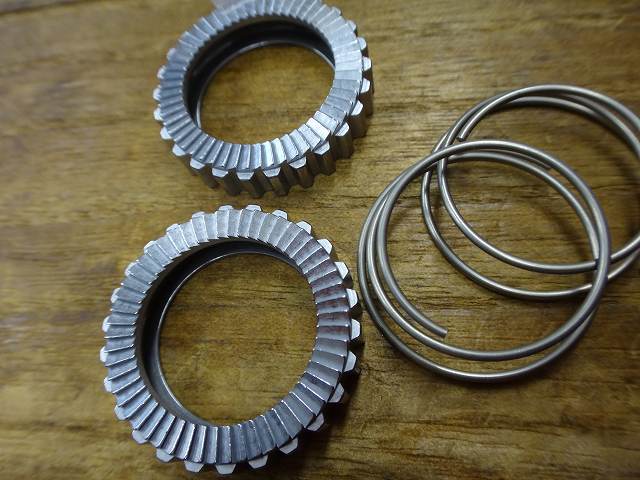
↑The 54-tooth part here.
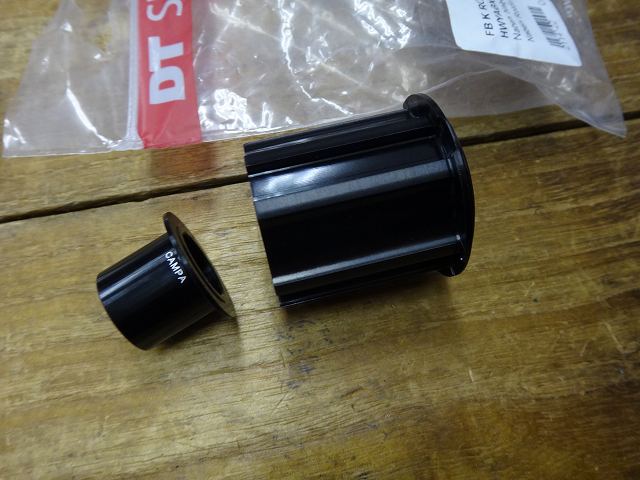
↑Wait, hold on. This Campagnolo rotor kit's right end is a thru-axle type?! Are you kidding me?!
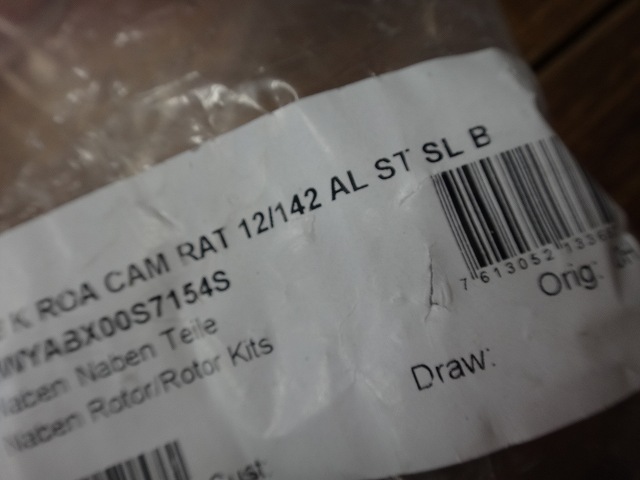
The packaging even says 12mm diameter, 142mm width.
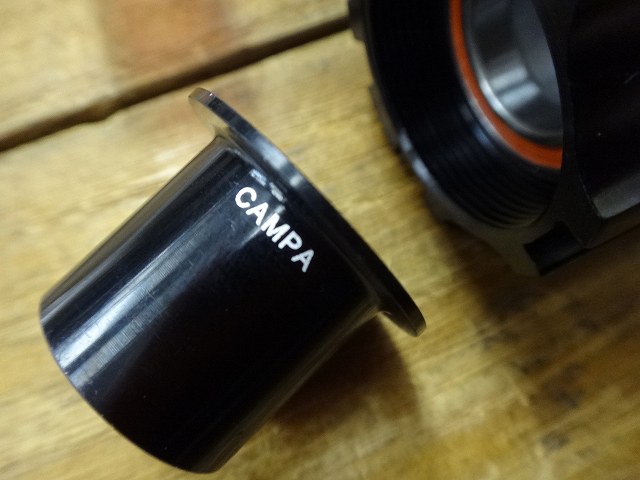
The thru-axle version of the right end for Campagnolo is a unique dimension as well.
Since this is a customer's deposit, this is not my mistake, but it's created a problem.
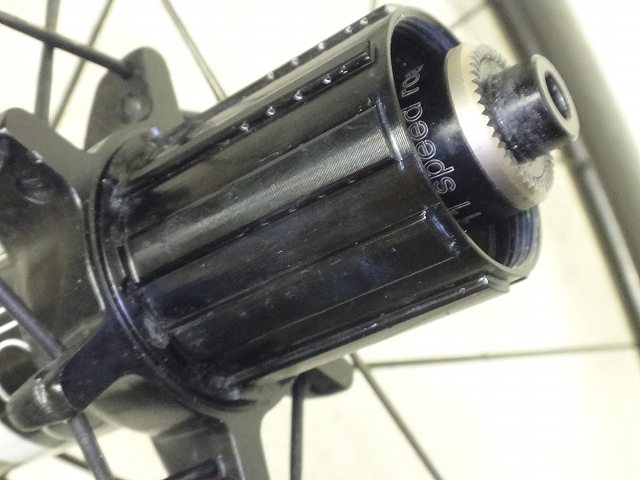
Going back in time a bit, the right end of the Shimano 11-speed freebody has—
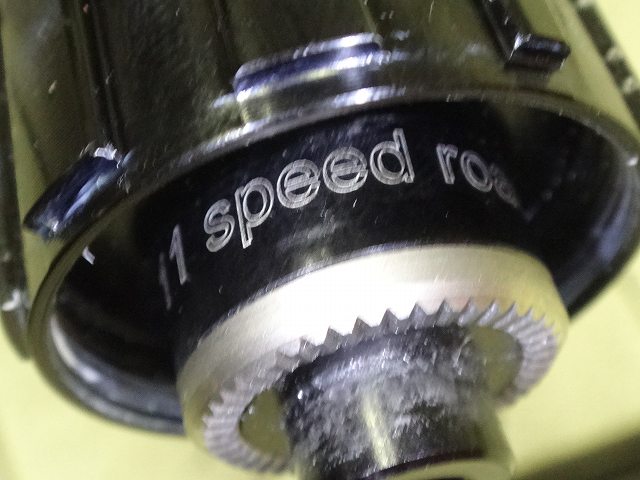
"11 speed road" stamped on it. For the Shimano 10-speed version, there's no marking at all.
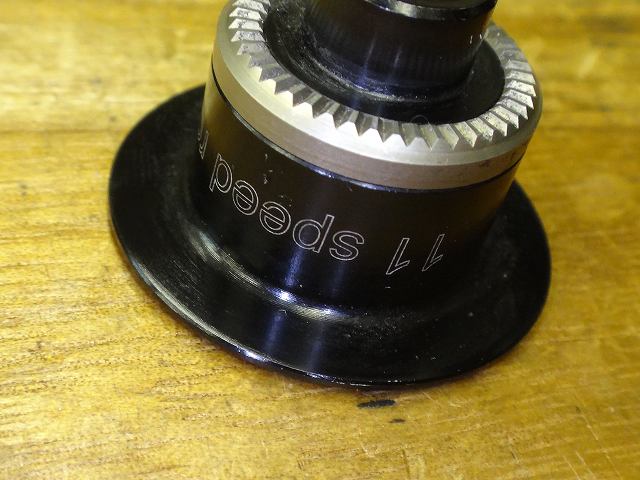
I removed and cleaned it. Since this right end is longer than the Shimano 10-speed version, when you swap the rotor kit to Shimano 11-speed, the rim shifts toward the anti-freewheel side, moving the wheel center. (Also, the shift adjustment position won't line up with Shimano OEM and most Shimano 11-speed compatible freebodies.) To correct that center shift, you either need to increase tension on the already-tight freewheel side, or—except for 2:1 lacing—further loosen the already-slack anti-freewheel side. But Trek actually states officially that centering errors caused by DT freebody swaps shouldn't be corrected. This wheel isn't that old, but it still has radial lacing on the anti-freewheel side with even spoke counts on both sides. It's absurd. Rotor and Shimano both make decent products for everything else, but when it comes to wheel building their IQ suddenly drops. I find that incredibly strange.
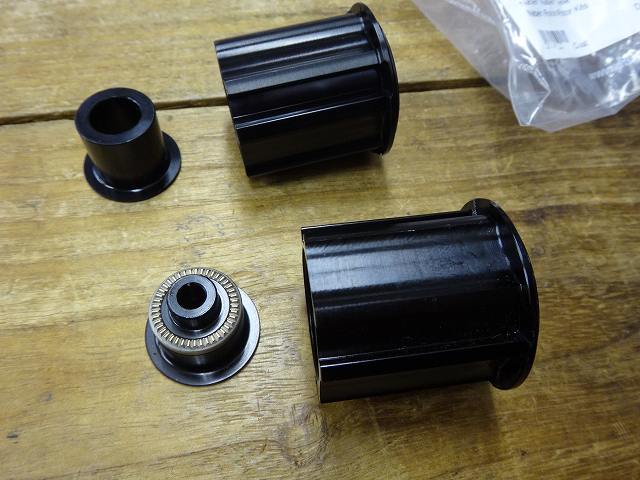
Actually, I have a Campagnolo rotor kit in stock. The freebody part is the same on both, and the customer said they'd handle the rotor kit situation themselves, so I decided to install this right end and do the centering for now.

The Campagnolo right end has no marking, just like the Shimano 10-speed version. Campagnolo has been using aluminum freebodies since way back, and at the time they couldn't make them as thin as Shimano, so the lock ring thread diameter is smaller. On current complete wheels, the thin white-anodized aluminum freebody is only offered for Shimano, but that capability came much later. The Campagnolo freebody has thick splines, so the right end flange diameter is smaller than Shimano's.
Earlier I said freebody single sales don't exist, but left and right end singles aren't completely unavailable. Some complete wheels do offer spare parts as end-only single sales. Some DT complete wheels, depending on the year and model, let you change ends alone from quick-release to thru-axle or BOOST specs or vice versa without buying a new freebody. Among those are dimensions matching standard 240 hubs, so end-only purchases are sometimes possible.
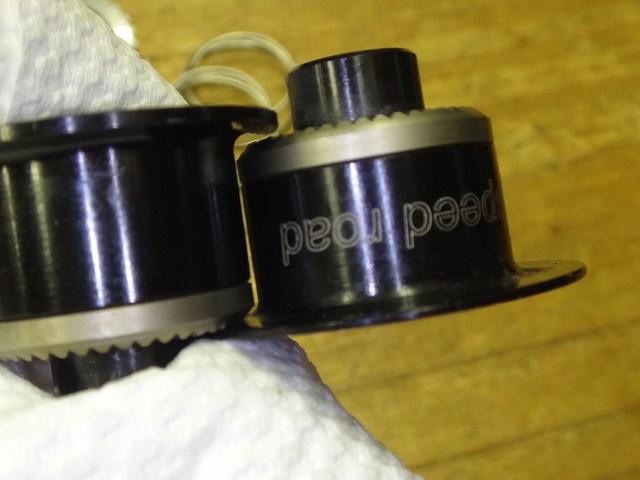
Comparing the Campagnolo and Shimano 11-speed right ends—
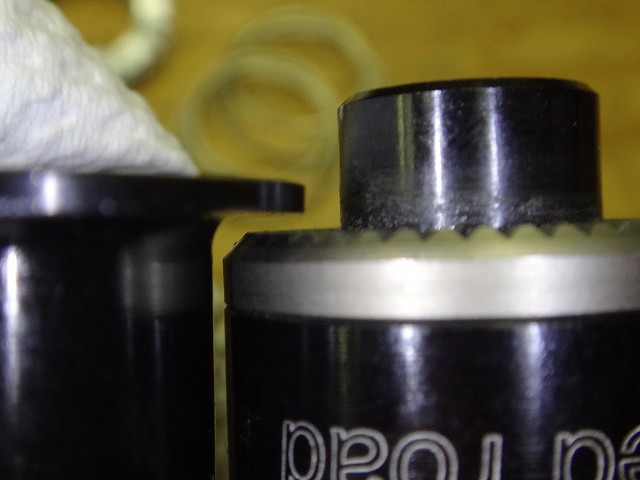
The Campagnolo one is longer. In terms of right end length, the Shimano 11-speed is longer than the 10-speed, and the Campagnolo is even longer than that. Logically, that should mean the rim shifts toward the anti-freewheel side after the rotor kit swap, but—
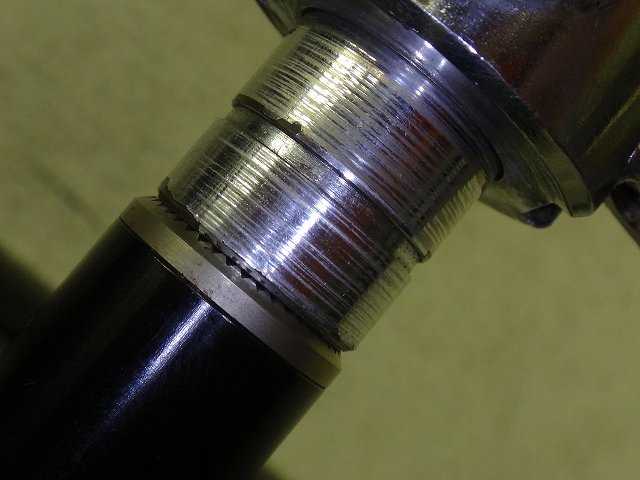
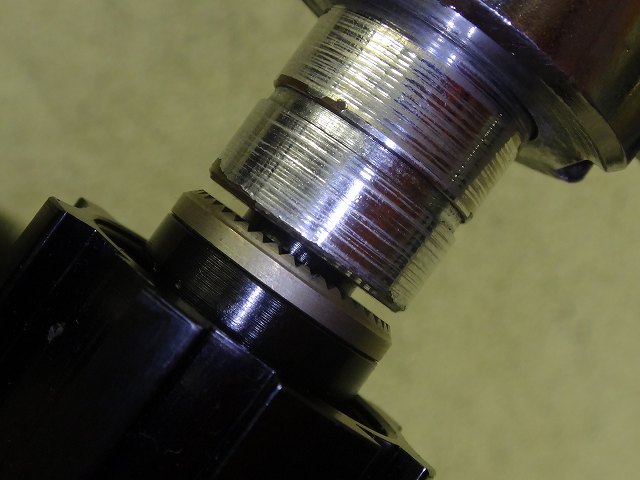
Actually, the rim shifts toward the freewheel side. Which is convenient, because the low-tension side can then be tightened further. Why does the rim shift right even though the right end got longer? It's because—
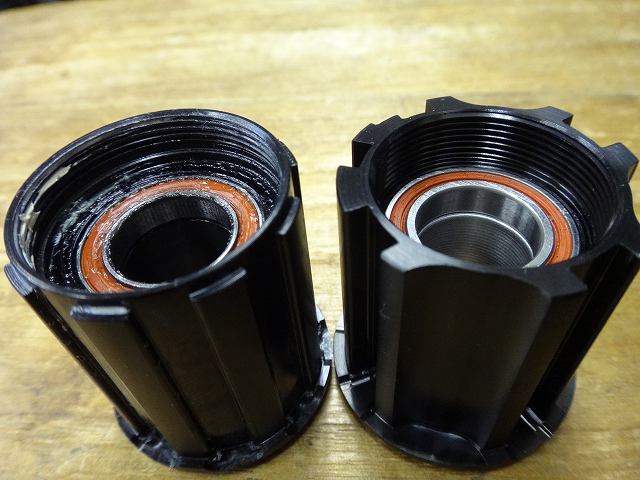
The Campagnolo freebody's end seating depth is positioned inward, and the dimension difference there is larger than the end length difference.
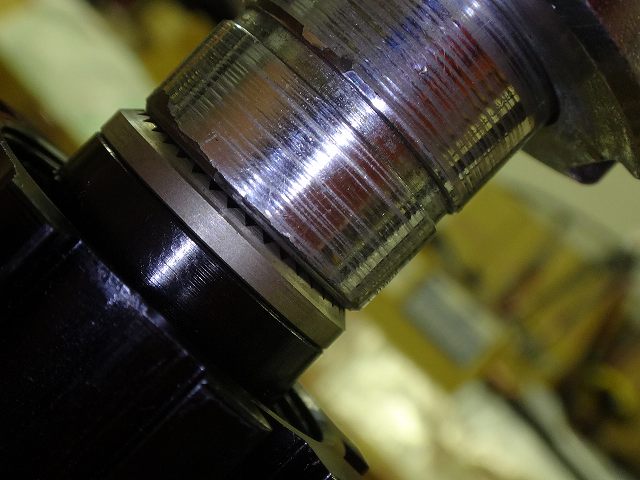

I tightened the anti-freewheel side a half-turn at a time. It flipped direction quickly. The anti-freewheel side moves more laterally per nipple rotation than the freewheel side, and radial lacing moves more than tangent lacing, so anti-freewheel radial lacing moves like crazy with just a little turning.
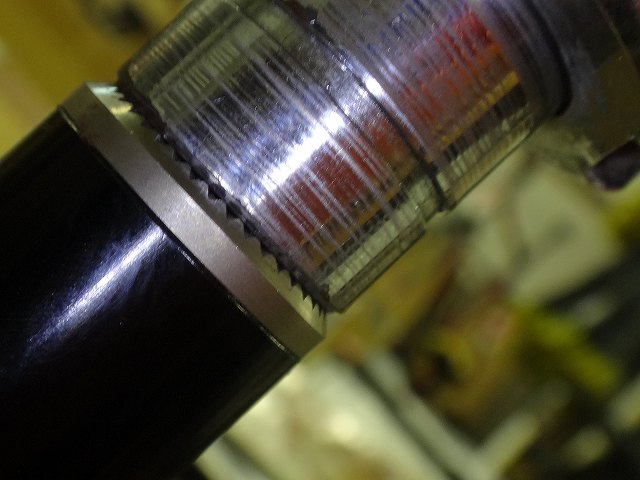
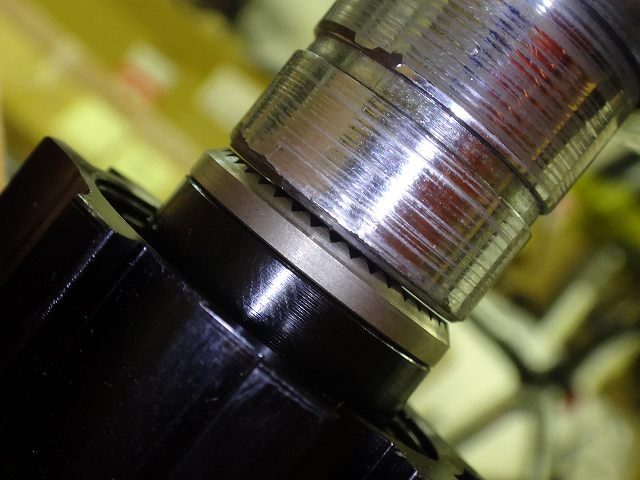
I loosened it a quarter turn. The rim is now shifted about two paper thicknesses toward the freewheel side, so I'm chasing the lateral runout with anti-freewheel emphasis while tightening the whole thing very slightly—
I've completed the centering and truing.
Products Mentioned in This Article
- 🛒 Bontrager TLR Rim Strip tubeless ready rim tape
- 🛒 DT Swiss 12mm spoke nipple
- 🛒 Shimano 11-speed freebody cassette
- 🛒 Campagnolo freebody rotor kit
* Amazon affiliate links — prices may vary
Original Japanese post: のむラボ日記 #5721