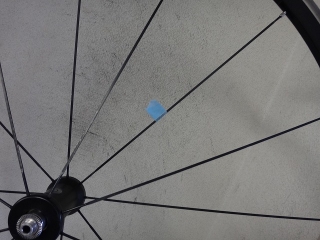
I received a Zonda front wheel from a customer.
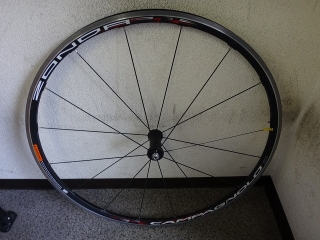
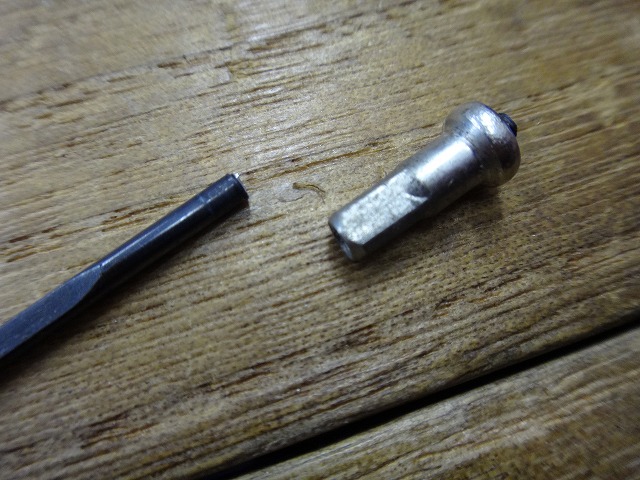
One spoke is broken.
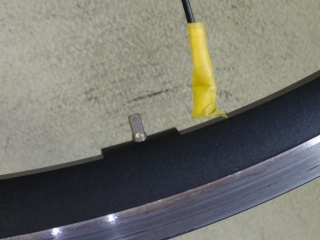
The fracture is at the rim end, and
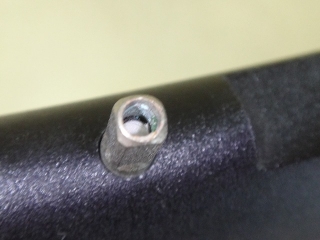
The fracture surface is uniform in color, though it doesn't show clearly in the image,
so it broke suddenly all at once without going through a cracking stage
(if there had been a cracking period, that part of the break surface would be dark).
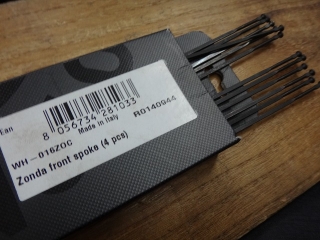
Good thing I had spare spokes on hand!
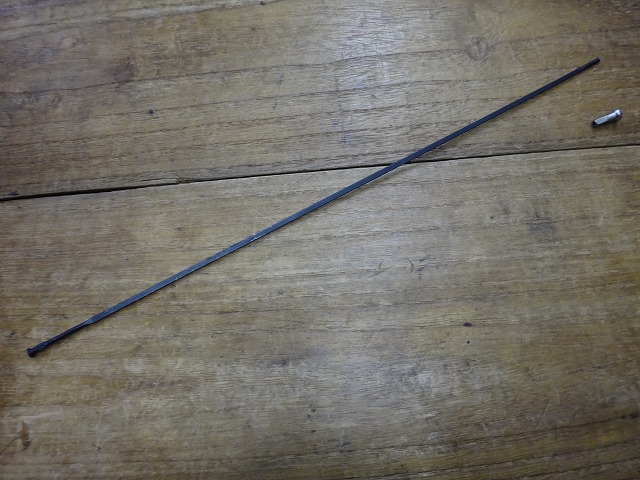
This is a spare spoke from the C15 rim era,
and by the C17 era, nylon locking sleeves are embedded at the nipple end,
so the threaded portion became longer to reach them.
Also, the C17 Zonda rear wheel doesn't have different spoke lengths left and right,
so even setting aside the effective spoke length issue, this won't fit the rear right.
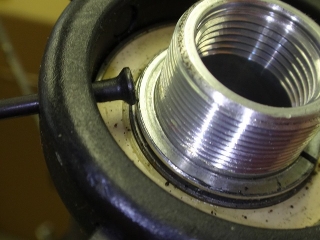
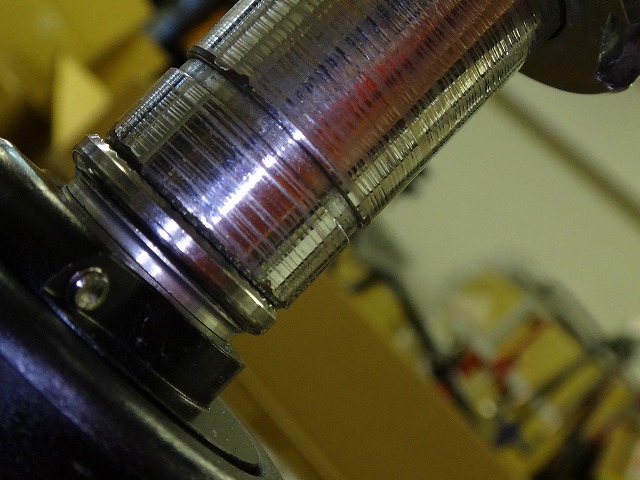
To remove the spoke from the hub shell, I first remove the axle shaft.
From the position shown in the image, if I tap it out toward the right,
I can avoid releasing the bite of the left cone's locking wedge washer,
which might help prevent any microscopic centering shifts
(though sometimes none occurs anyway),
but since the customer wants a full hub overhaul anyway,
it doesn't matter.
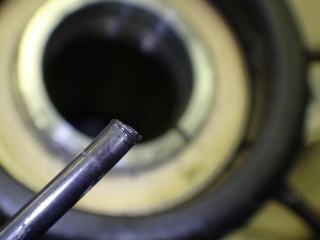
The spoke broke right at the start of the threaded section.
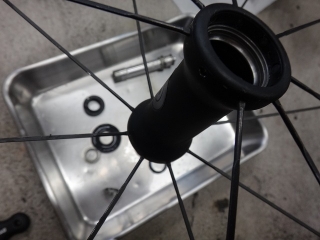
It's easier to clean the hub shell where the spoke is missing!
It's a 16H radial lace anyway, so it was already pretty easy to access.
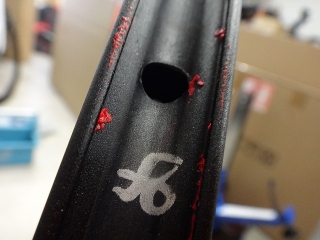
Looks like they were using Michelin tires with the red sidewalls.
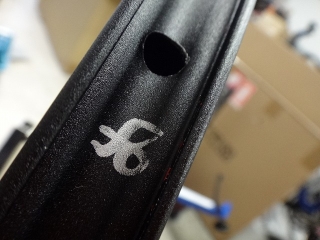
I wiped it down with acetone, but something written on the rim doesn't appear to be paint, so it wouldn't come off.
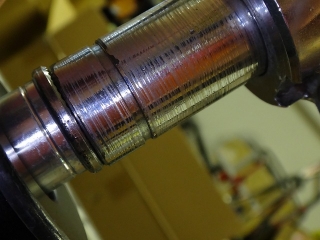
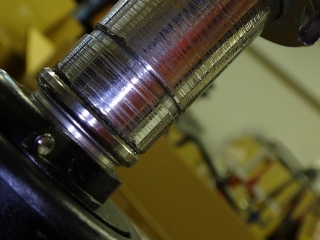
With one spoke missing and significant lateral runout,
I didn't check the temporary center.
Since I disassembled the hub, I can't rule out the possibility
that the center shifted slightly.
Besides adjusting the nipple for the replacement spoke,
I also did some fine lateral runout corrections in a few other spots.
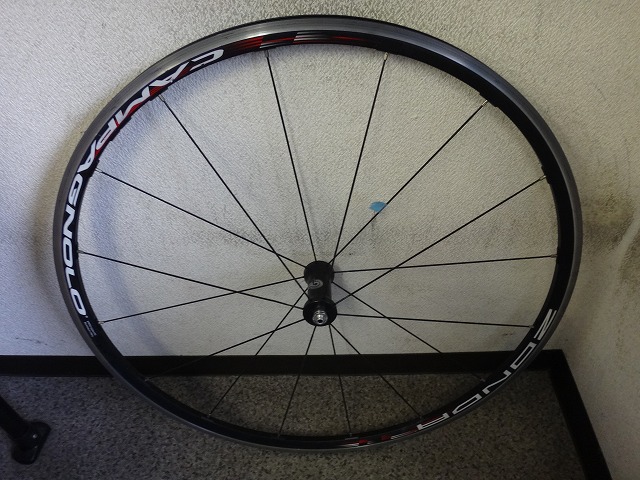
After finishing the lateral runout adjustment,
I first applied the centering gauge with the images above,
and it was dead center.
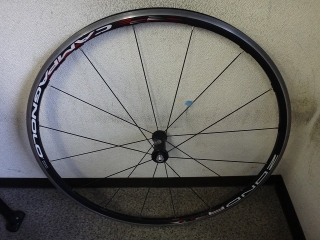
Fixed.
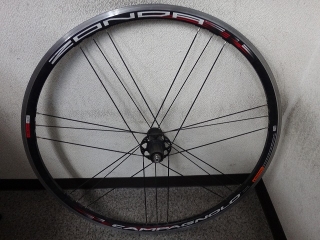
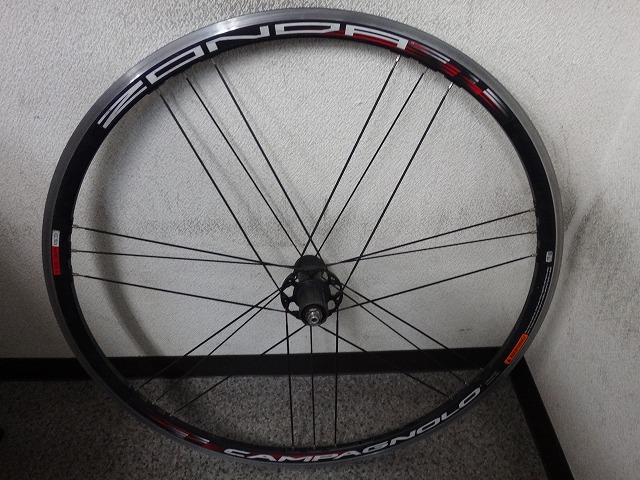
Next, the rear wheel.
No broken or bent spokes,
but the customer requested hub overhaul and runout correction.
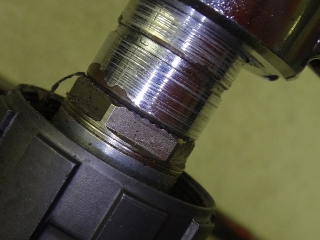
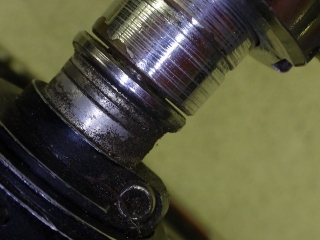
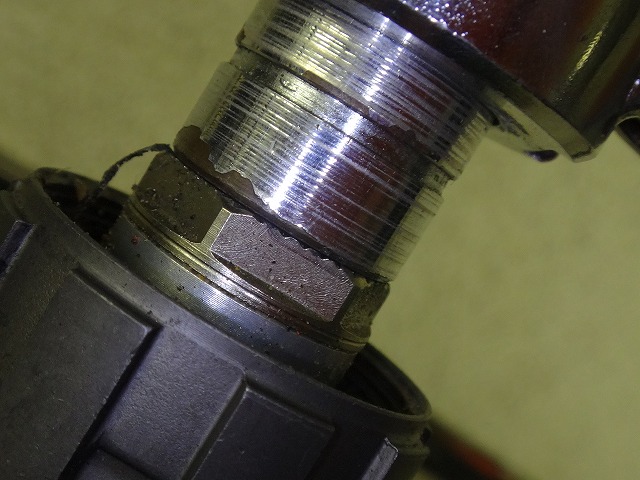
The rim was shifted toward the non-freewheel side.
With the lateral runout present, the amount varies depending on phase,
and in the image above I'm deliberately looking for the worst spots.
Even so, it's clear the rim is generally biased toward the non-freewheel side,
and there's probably no phase where it's biased toward the freewheel side at all.


I skipped ahead in the timeline to show the dead center image first.
I wanted to show the before/after of cleaning the parts around the hub end together.
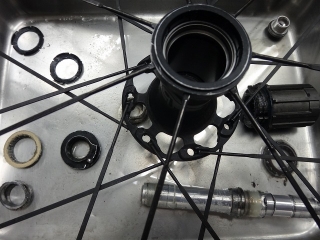
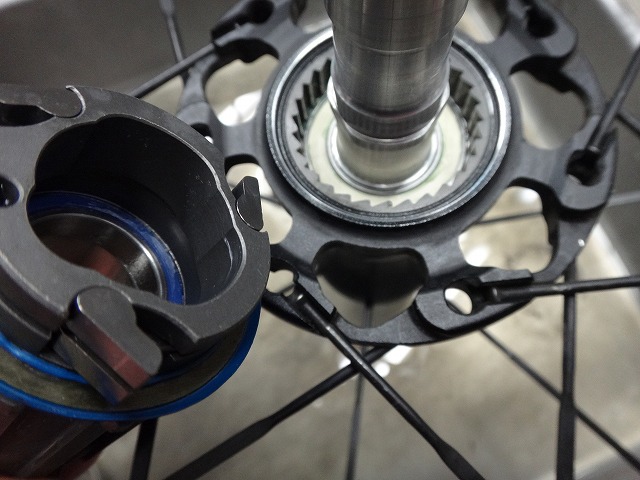
I disassembled the hub...

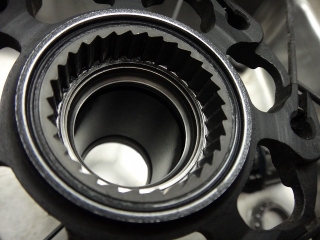
and cleaned it.
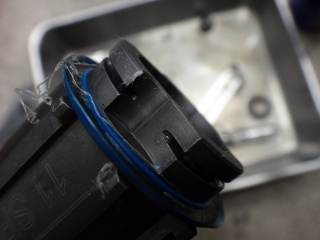
There was an unusual amount of thread tangled around the inside of the freewheel body,
and usually I don't remove this blue seal during overhauls,
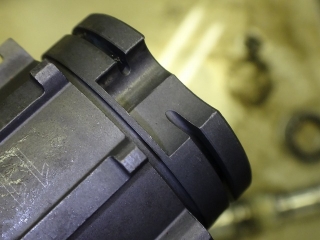
but this time I did.
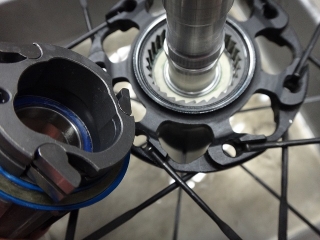
I cleaned and regreased it.
As mentioned earlier, I also did runout correction and centering.
Regarding whether disassembling the hub caused any centering shift:
When I disassemble a wheel that's been trued and centered perfectly,
I can detect shifts of about a piece of paper thickness,
so with a wheel that was already way more than a piece of paper out of center to begin with,
any shift wouldn't show up visibly, so I can't tell.
Also, in cases like this, to avoid doing work twice,
I do the hub overhaul before truing,
so even if shift does occur, there's no problem.
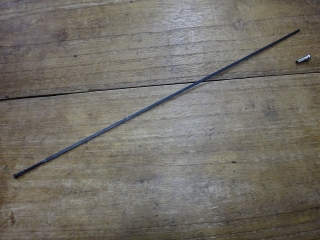
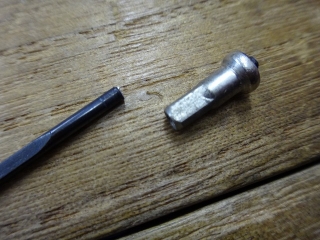
↑Replaced spoke
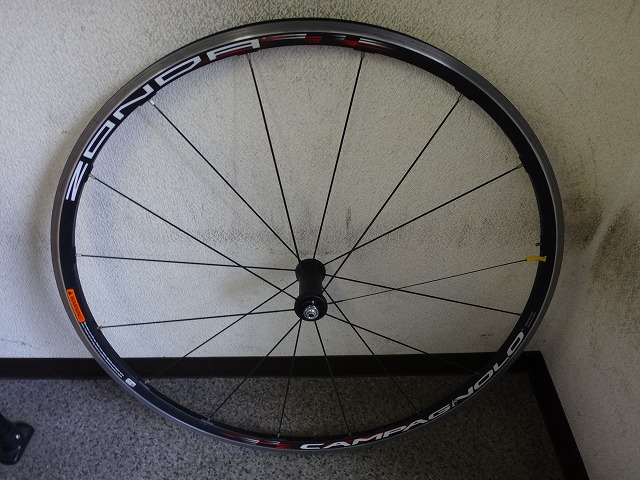
One spoke is broken.
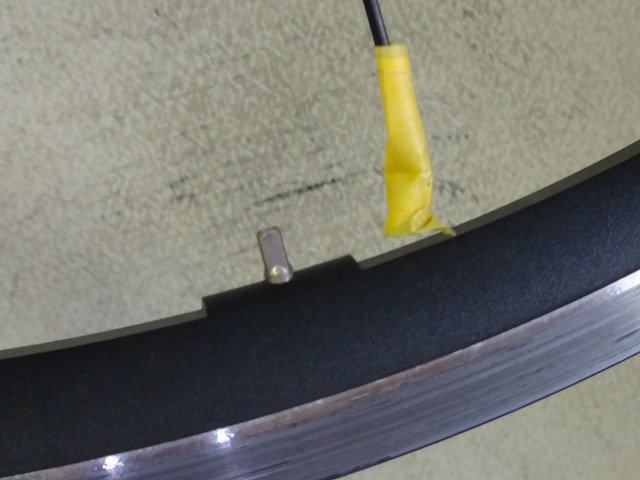
The fracture is at the rim end, and
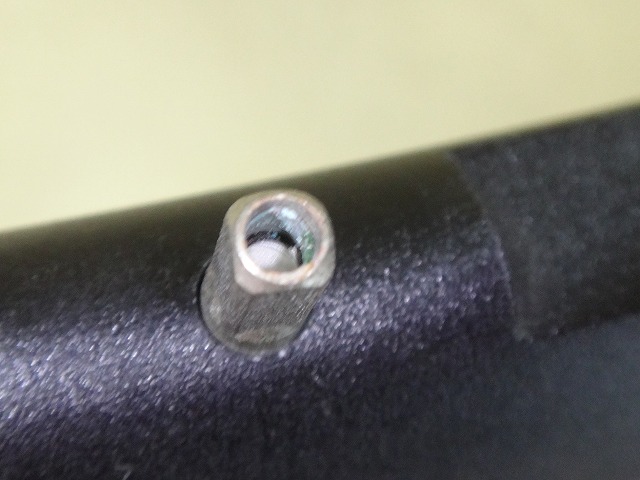
The fracture surface is uniform in color, though it doesn't show clearly in the image,
so it broke suddenly all at once without going through a cracking stage
(if there had been a cracking period, that part of the break surface would be dark).
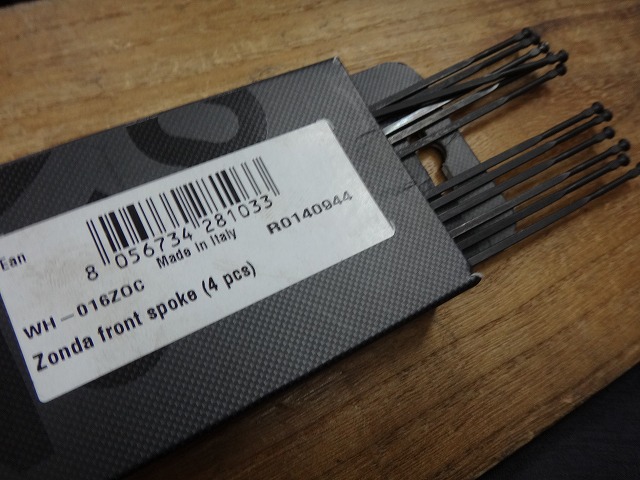
Good thing I had spare spokes on hand!
This is a spare spoke from the C15 rim era,
and by the C17 era, nylon locking sleeves are embedded at the nipple end,
so the threaded portion became longer to reach them.
Also, the C17 Zonda rear wheel doesn't have different spoke lengths left and right,
so even setting aside the effective spoke length issue, this won't fit the rear right.
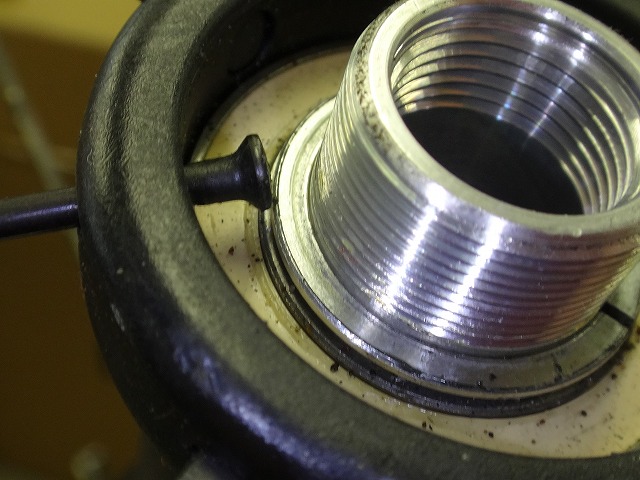
To remove the spoke from the hub shell, I first remove the axle shaft.
From the position shown in the image, if I tap it out toward the right,
I can avoid releasing the bite of the left cone's locking wedge washer,
which might help prevent any microscopic centering shifts
(though sometimes none occurs anyway),
but since the customer wants a full hub overhaul anyway,
it doesn't matter.
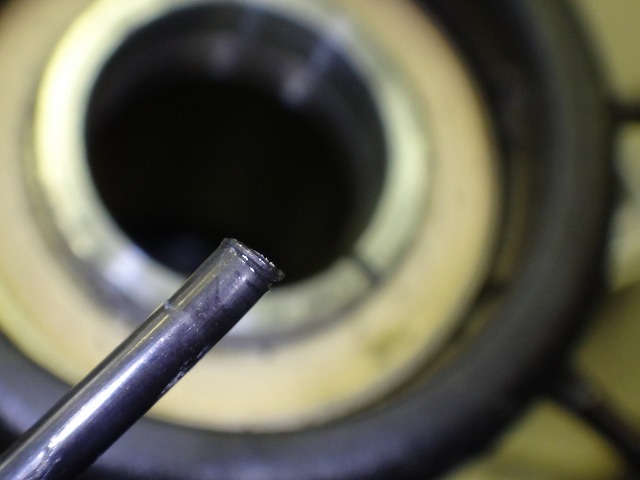
The spoke broke right at the start of the threaded section.
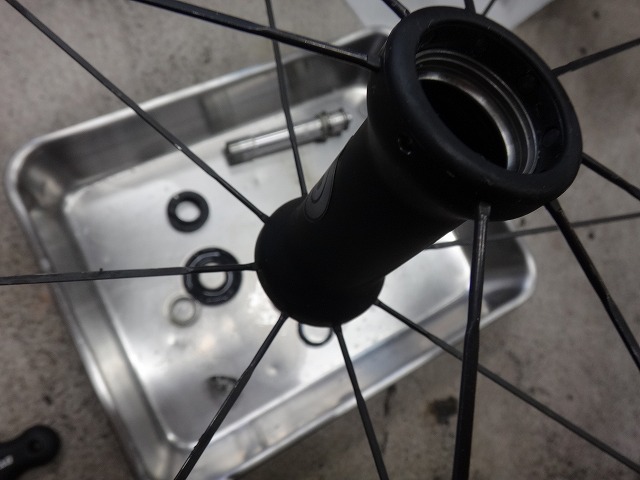
It's easier to clean the hub shell where the spoke is missing!
It's a 16H radial lace anyway, so it was already pretty easy to access.
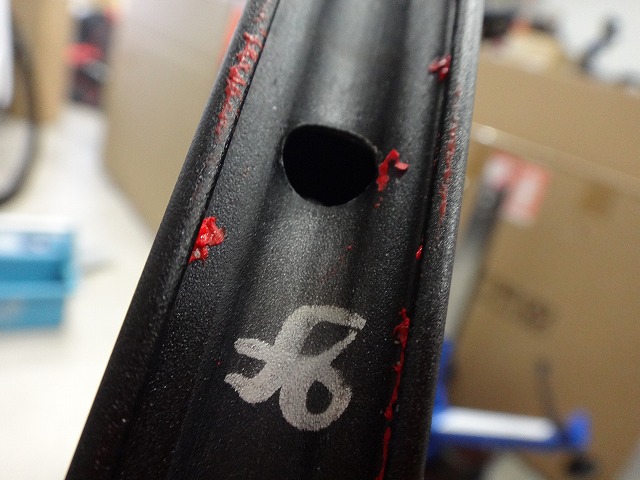
Looks like they were using Michelin tires with the red sidewalls.

I wiped it down with acetone, but something written on the rim doesn't appear to be paint, so it wouldn't come off.
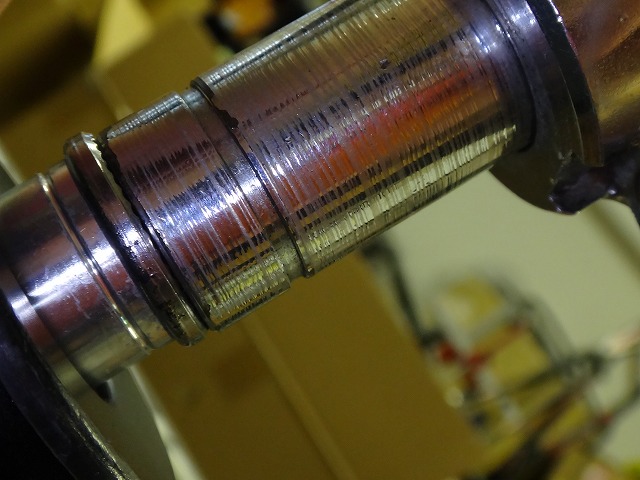
With one spoke missing and significant lateral runout,
I didn't check the temporary center.
Since I disassembled the hub, I can't rule out the possibility
that the center shifted slightly.
Besides adjusting the nipple for the replacement spoke,
I also did some fine lateral runout corrections in a few other spots.
After finishing the lateral runout adjustment,
I first applied the centering gauge with the images above,
and it was dead center.

Fixed.
Next, the rear wheel.
No broken or bent spokes,
but the customer requested hub overhaul and runout correction.
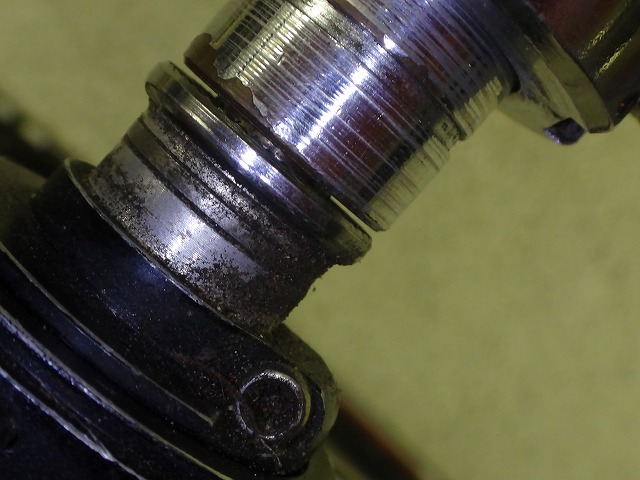
The rim was shifted toward the non-freewheel side.
With the lateral runout present, the amount varies depending on phase,
and in the image above I'm deliberately looking for the worst spots.
Even so, it's clear the rim is generally biased toward the non-freewheel side,
and there's probably no phase where it's biased toward the freewheel side at all.
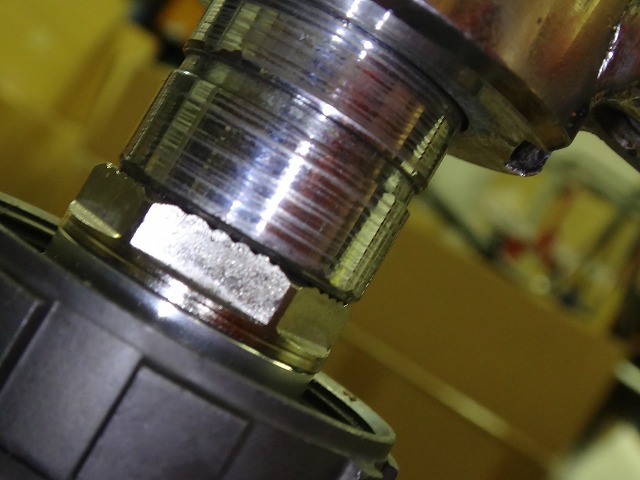
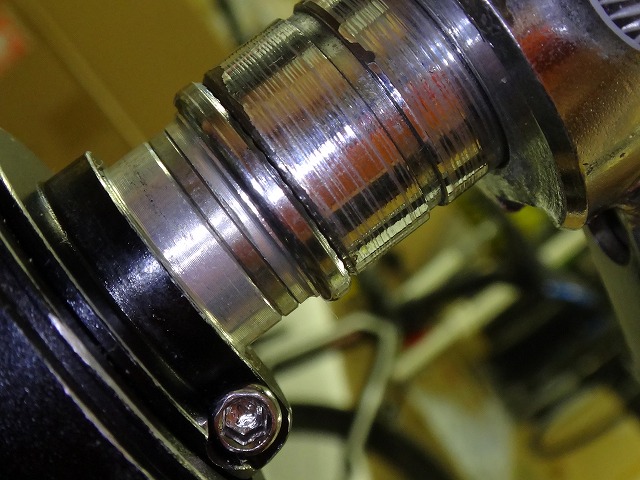
I skipped ahead in the timeline to show the dead center image first.
I wanted to show the before/after of cleaning the parts around the hub end together.
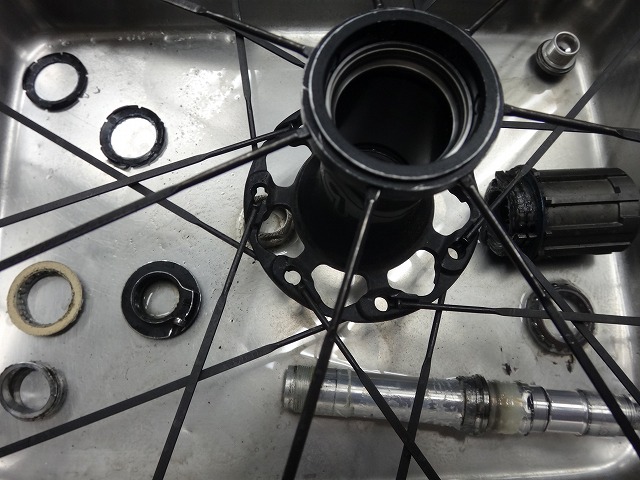
I disassembled the hub...
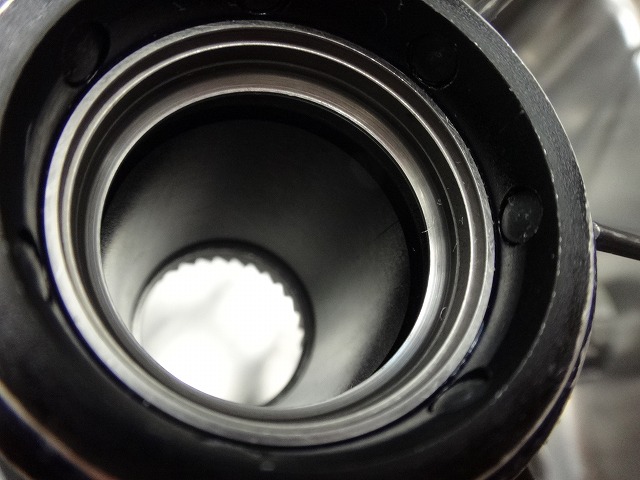
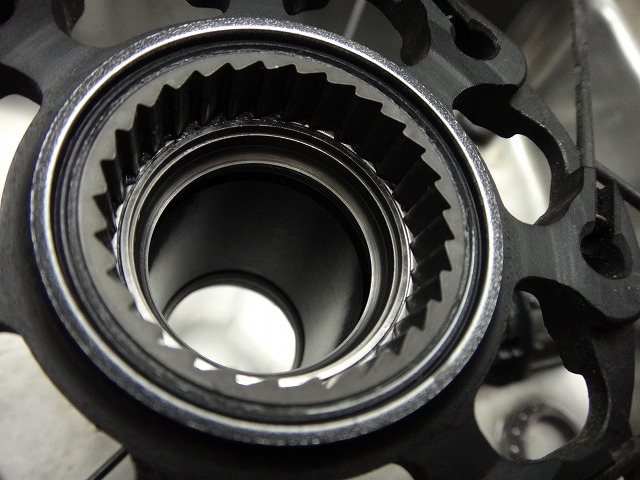
and cleaned it.
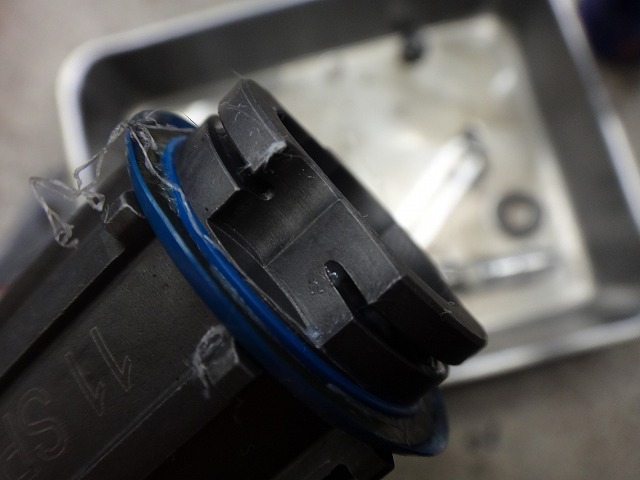
There was an unusual amount of thread tangled around the inside of the freewheel body,
and usually I don't remove this blue seal during overhauls,
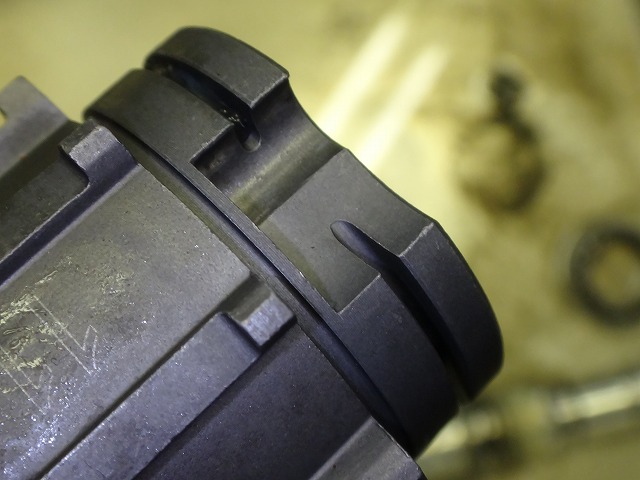
but this time I did.
I cleaned and regreased it.
As mentioned earlier, I also did runout correction and centering.
Regarding whether disassembling the hub caused any centering shift:
When I disassemble a wheel that's been trued and centered perfectly,
I can detect shifts of about a piece of paper thickness,
so with a wheel that was already way more than a piece of paper out of center to begin with,
any shift wouldn't show up visibly, so I can't tell.
Also, in cases like this, to avoid doing work twice,
I do the hub overhaul before truing,
so even if shift does occur, there's no problem.
↑Replaced spoke