Another day working on wheels (and so on).
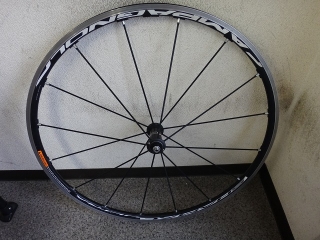
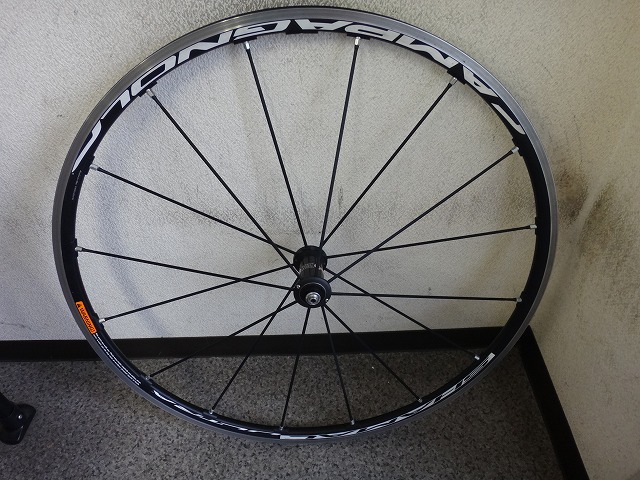
A customer left me a Shamal Ultra (a high-end road wheel by Campagnolo) front and rear wheel.
The rear wheel just needs inspection, but the front wheel is the tricky one.
Grass got tangled in the front wheel while riding on a national highway, causing a crash, and the wheel developed runout.
When they took it to a nearby shop and requested repair,
the shop said, "I can fix the lateral runout, but then vertical runout will appear instead. Is that okay?"
So they had the repair–or rather, something resembling repair–done,
but it resulted in inconsistent spoke tension, with some spokes pulling hard and others too loose to loosen further,
the lateral runout was addressed but vertical runout developed, spokes got twisted, they were told—
and the shop owner threw up their hands, returning the wheel in a state where it wasn't really usable,
so I took it to look at.
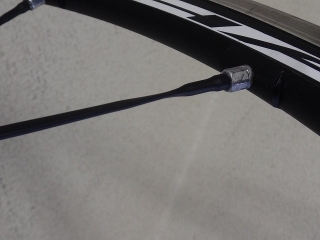
Aside from not being able to fix it,
spokes getting twisted is the shop's blunder.
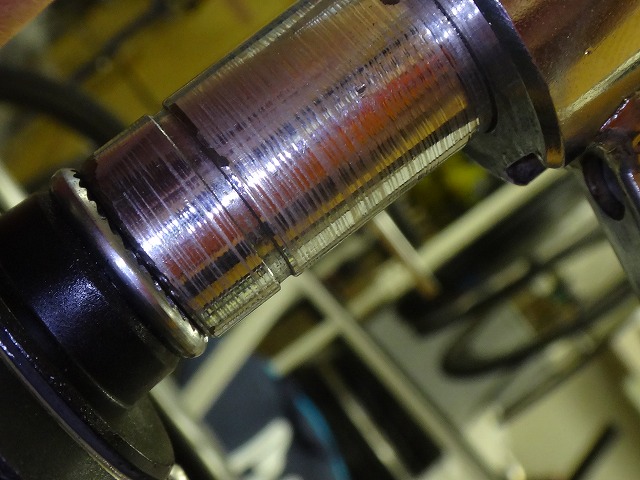
From impact like a crash, spokes might bend, but they don't twist.
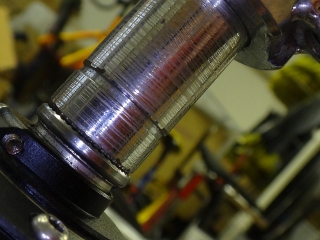
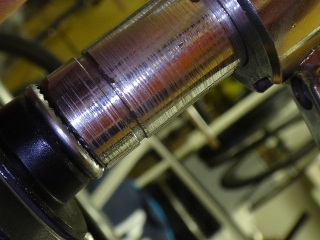
The image above shows a twisted spoke that was obvious at first glance.
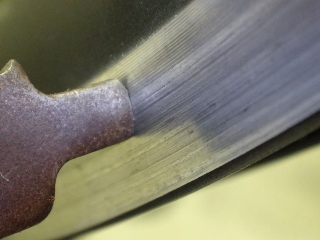
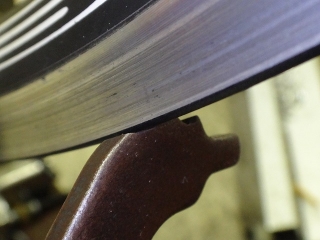
First, regarding the lateral runout, when I put a gauge against the rim at most angles,
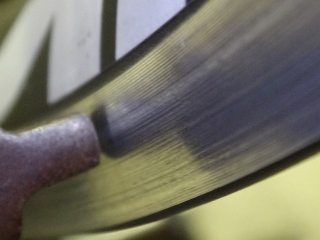
this is the maximum runout.
This is supposedly the result of truing work.
They should've dialed in the lateral runout.
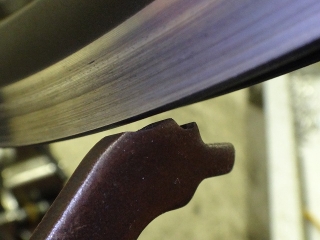
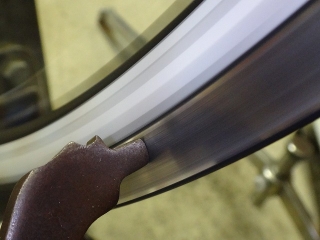
And the radial runout. When spinning the wheel,
you can see it bounce visibly even with your eyes.
Just to be clear,
the gauge position on the truing stand is the same in the two images above.
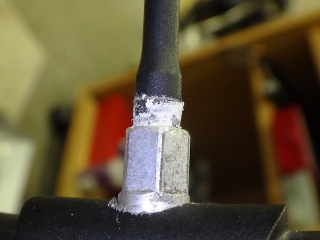
Most nipples showed signs of potential seizing, with powder coming out of the pockets,
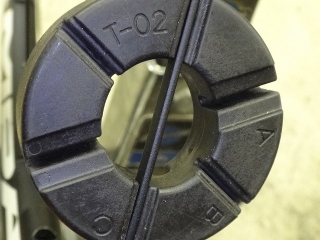
but holding them steady with the proper tool and turning carefully,
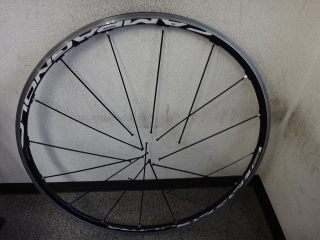
I was able to loosen all the spokes without twisting them.
The ones that are currently twisted are the ones that were already twisted when I received it.
There are cases where seizure is so severe you have to cut the spoke,
but there wasn't a single one that bad this time.
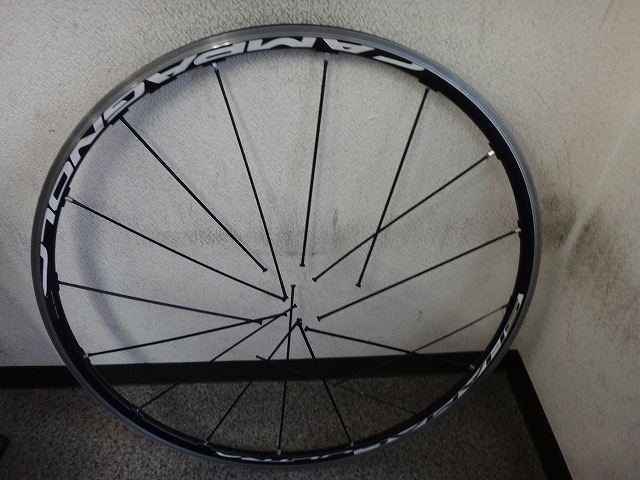
This front wheel hub has catch-style flanges, so if I loosen the nipples for about half the wheel,
I can just pull the hub out by holding it and shaking it side to side.
So actually, the state shown in the image above doesn't prove I loosened all the nipples.
But there are things you can determine even from this state.
By placing the rim on a glass surface plate, I can check whether the rim is bent.
If it's warped like a potato chip, then it becomes impossible to build a wheel without spoke tension variance and runout,
but this rim's warp wasn't so extreme that the wheel couldn't be built.
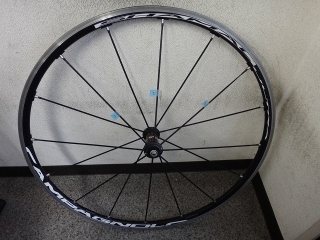
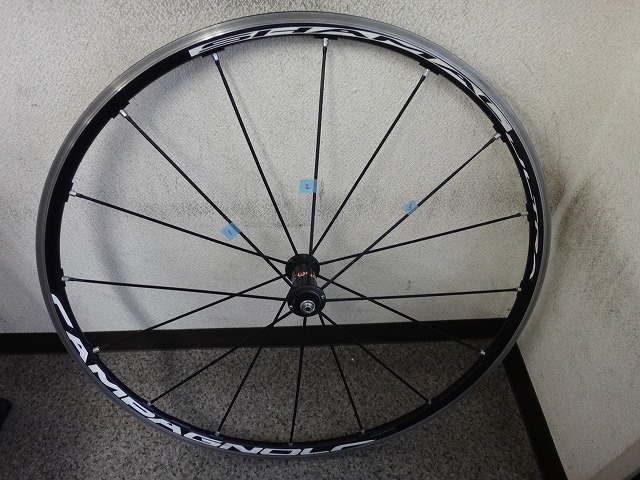
It was very tedious, but after checking the rim's warp,
I did a loose temporary build again.
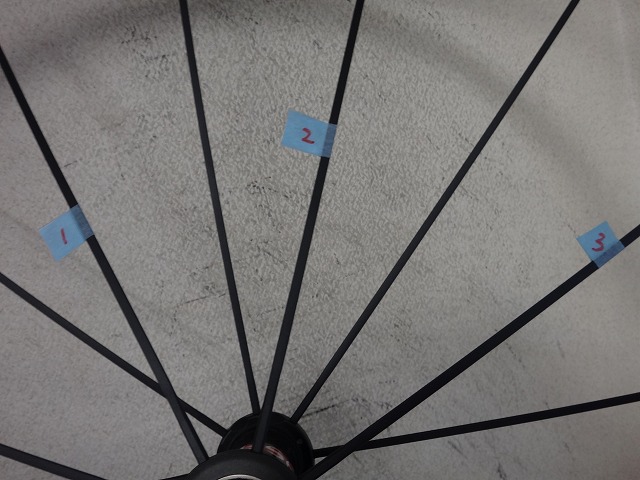
I also taped three twisted spokes with numbered markers.
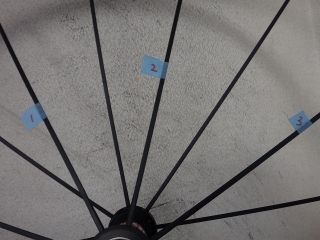
↑They tried hard to tighten three consecutive spokes on one side.
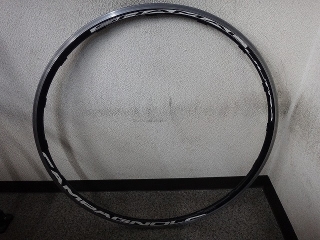
I disassembled it again.
This time I took it down to the rim itself.
In other words, it's now proven there were no completely seized nipples.
In this state, I applied techniques too specialized to describe in my workshop diary.
The customer has special attachment to this wheel,
and the letter said something like "if only we could fix it...",
so I'm doing extraordinarily tedious work I normally wouldn't do.
This job took about a month.
I absolutely wasn't motivated by any desire to embarrass the shop that did that initial repair work,
or to expose the lie that spoke twisting was inevitable—no, definitely not hehe—or anything like that. Believe me.
Done.
I forgot to take a full picture, but it's the same as the image from the beginning so oh well.
The image above is perfectly centered,
and the difference from the images at the start is that
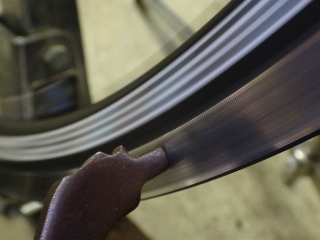
↑I dialed in the lateral runout.
Just to be clear, the wheel is spinning in the image above.
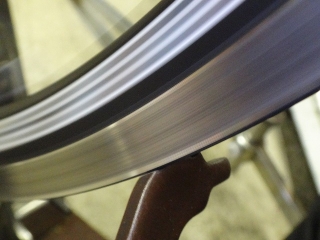
↑I dialed in the radial runout too.
Just to be clear, the wheel is spinning in the image above.
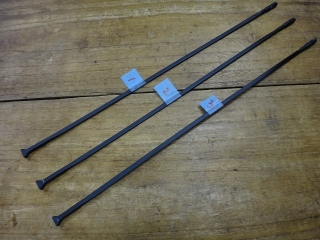
↑The replaced spokes
As you can see, unlike the ones I usually show here,
these aren't bent.
I could have corrected the twist and reused them looking almost fine,
but since I got permission, I replaced them.
I numbered the spokes 1 through 3, but
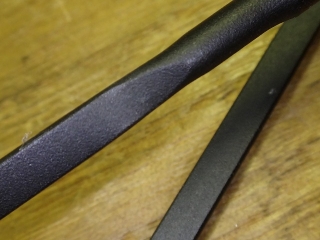
↑Spoke 1
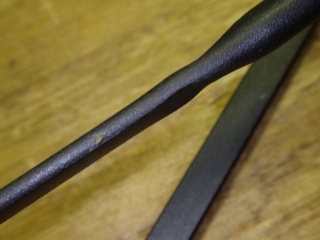
↑Spoke 1, different angle

↑Spoke 2
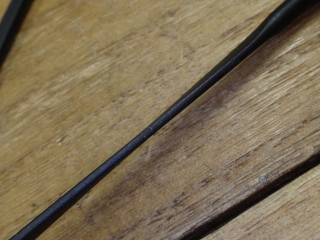
↑Spoke 3
that's them.
Also, though you can't see it in photos,
the spoke tension in the rebuilt wheel
has virtually no variance by position.
If anything, it should be about the same as a stock Shamal Ultra.
Even if the shop that did that initial repair work came looking for flaws later,
there's nothing they could find—I finished it that well.
And besides, anyone who mistakes that initial state for "work"
has no business finding fault anyway.
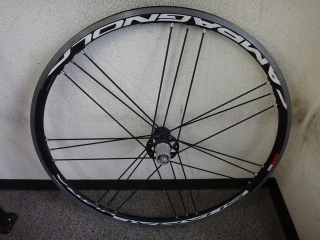
Next, the rear wheel.
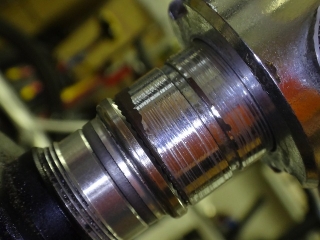
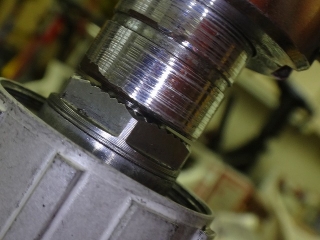
The center shift toward the freewheel side from years of use,
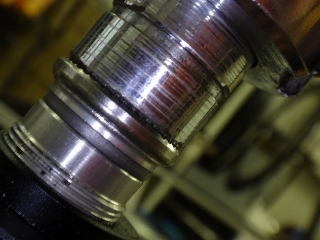
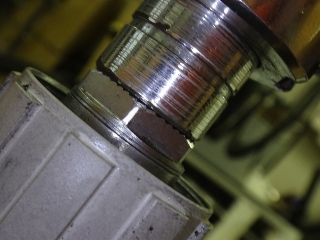
I just corrected.
There was barely any runout to begin with.
A customer left me a Shamal Ultra (a high-end road wheel by Campagnolo) front and rear wheel.
The rear wheel just needs inspection, but the front wheel is the tricky one.
Grass got tangled in the front wheel while riding on a national highway, causing a crash, and the wheel developed runout.
When they took it to a nearby shop and requested repair,
the shop said, "I can fix the lateral runout, but then vertical runout will appear instead. Is that okay?"
So they had the repair
but it resulted in inconsistent spoke tension, with some spokes pulling hard and others too loose to loosen further,
the lateral runout was addressed but vertical runout developed, spokes got twisted, they were told—
and the shop owner threw up their hands, returning the wheel in a state where it wasn't really usable,
so I took it to look at.

Aside from not being able to fix it,
spokes getting twisted is the shop's blunder.
From impact like a crash, spokes might bend, but they don't twist.
The image above shows a twisted spoke that was obvious at first glance.

First, regarding the lateral runout, when I put a gauge against the rim at most angles,
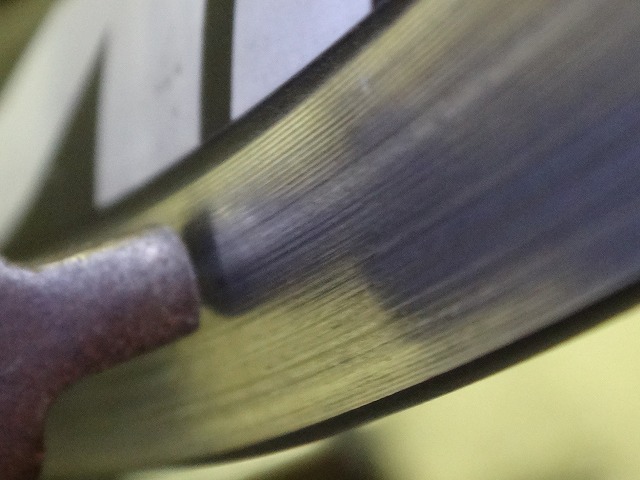
this is the maximum runout.
This is supposedly the result of truing work.
They should've dialed in the lateral runout.
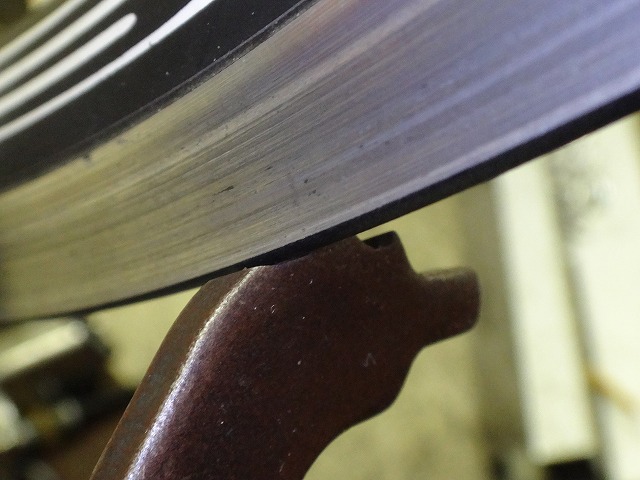
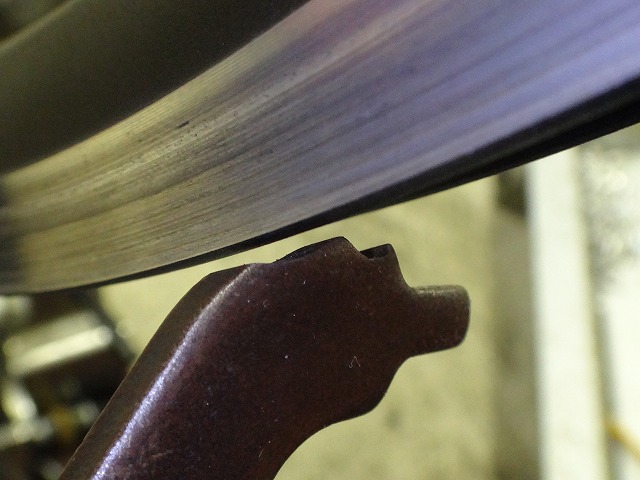
And the radial runout. When spinning the wheel,
you can see it bounce visibly even with your eyes.
Just to be clear,
the gauge position on the truing stand is the same in the two images above.
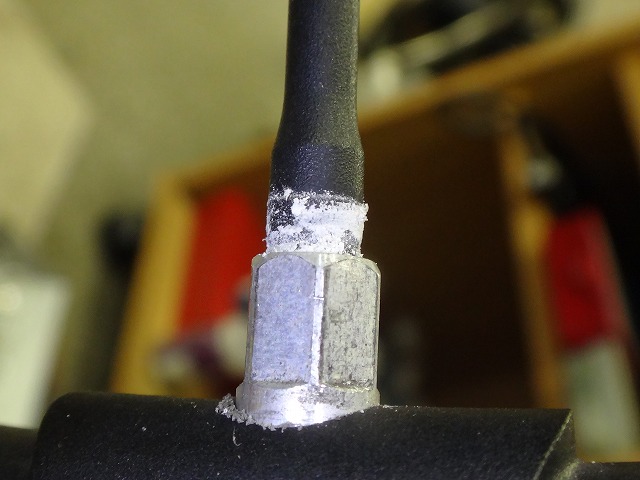
Most nipples showed signs of potential seizing, with powder coming out of the pockets,
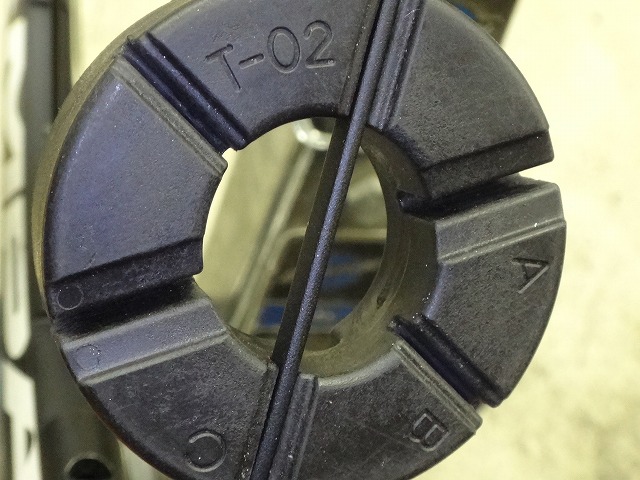
but holding them steady with the proper tool and turning carefully,
I was able to loosen all the spokes without twisting them.
The ones that are currently twisted are the ones that were already twisted when I received it.
There are cases where seizure is so severe you have to cut the spoke,
but there wasn't a single one that bad this time.
This front wheel hub has catch-style flanges, so if I loosen the nipples for about half the wheel,
I can just pull the hub out by holding it and shaking it side to side.
So actually, the state shown in the image above doesn't prove I loosened all the nipples.
But there are things you can determine even from this state.
By placing the rim on a glass surface plate, I can check whether the rim is bent.
If it's warped like a potato chip, then it becomes impossible to build a wheel without spoke tension variance and runout,
but this rim's warp wasn't so extreme that the wheel couldn't be built.
It was very tedious, but after checking the rim's warp,
I did a loose temporary build again.
I also taped three twisted spokes with numbered markers.
↑They tried hard to tighten three consecutive spokes on one side.

I disassembled it again.
This time I took it down to the rim itself.
In other words, it's now proven there were no completely seized nipples.
In this state, I applied techniques too specialized to describe in my workshop diary.
The customer has special attachment to this wheel,
and the letter said something like "if only we could fix it...",
so I'm doing extraordinarily tedious work I normally wouldn't do.
This job took about a month.
I absolutely wasn't motivated by any desire to embarrass the shop that did that initial repair work,
or to expose the lie that spoke twisting was inevitable—no, definitely not hehe—or anything like that. Believe me.

Done.
I forgot to take a full picture, but it's the same as the image from the beginning so oh well.
The image above is perfectly centered,
and the difference from the images at the start is that


↑I dialed in the lateral runout.
Just to be clear, the wheel is spinning in the image above.
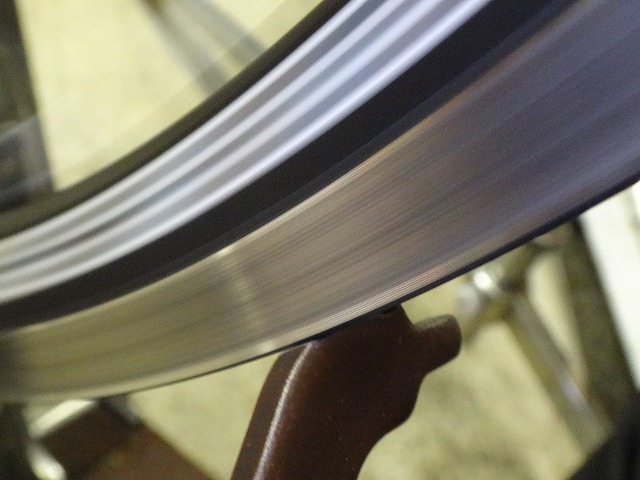
↑I dialed in the radial runout too.
Just to be clear, the wheel is spinning in the image above.
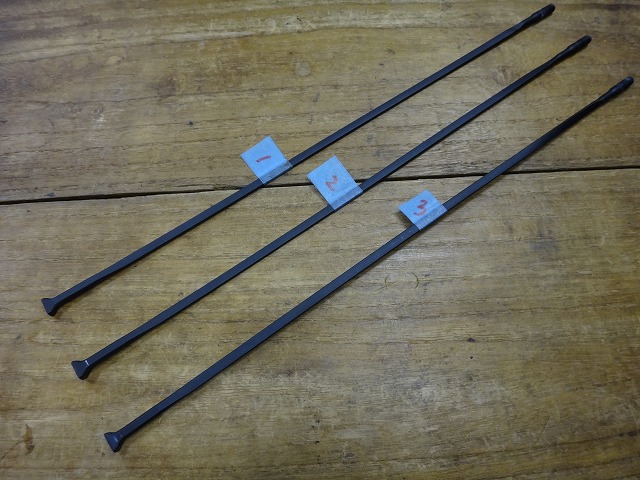
↑The replaced spokes
As you can see, unlike the ones I usually show here,
these aren't bent.
I could have corrected the twist and reused them looking almost fine,
but since I got permission, I replaced them.
I numbered the spokes 1 through 3, but
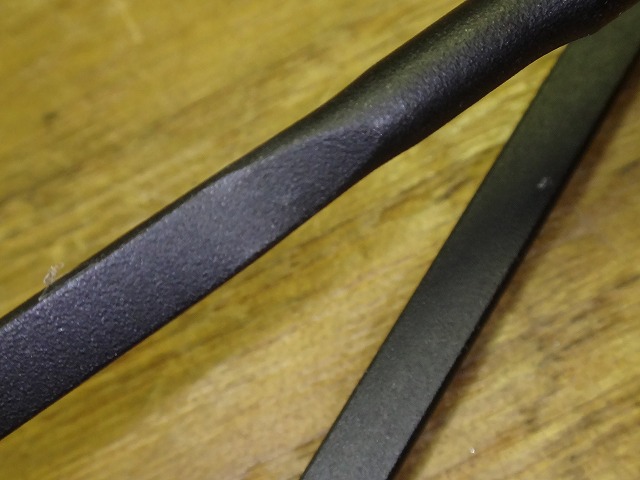
↑Spoke 1
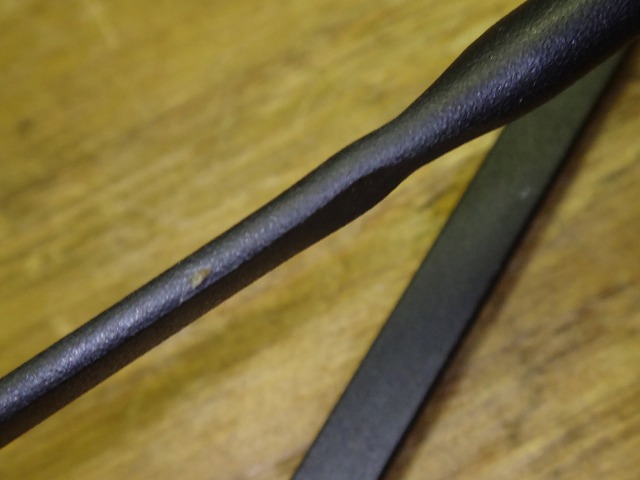
↑Spoke 1, different angle
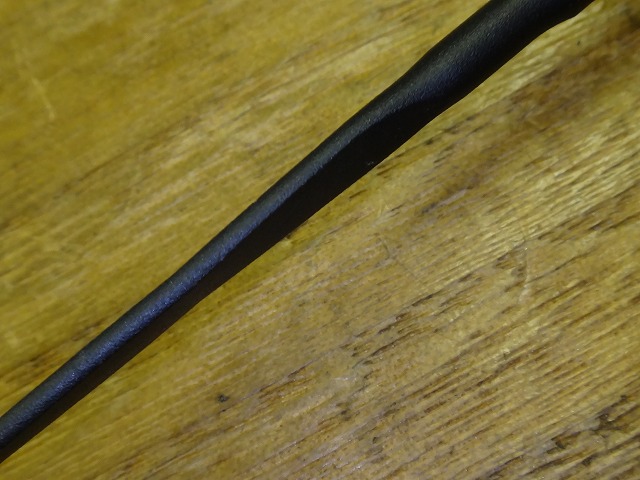
↑Spoke 2

↑Spoke 3
that's them.
Also, though you can't see it in photos,
the spoke tension in the rebuilt wheel
has virtually no variance by position.
If anything, it should be about the same as a stock Shamal Ultra.
Even if the shop that did that initial repair work came looking for flaws later,
there's nothing they could find—I finished it that well.
And besides, anyone who mistakes that initial state for "work"
has no business finding fault anyway.
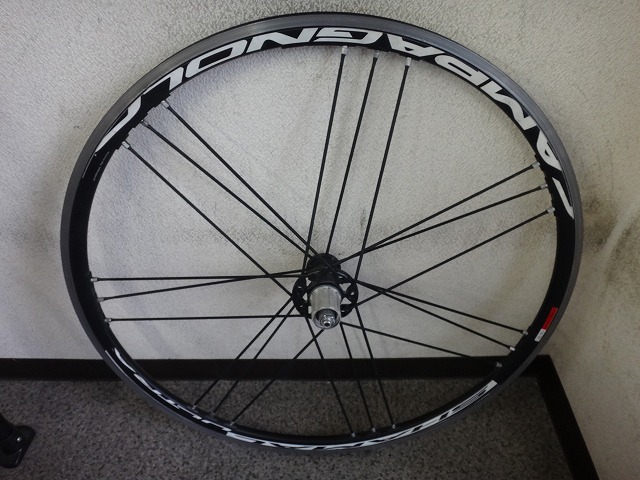
Next, the rear wheel.

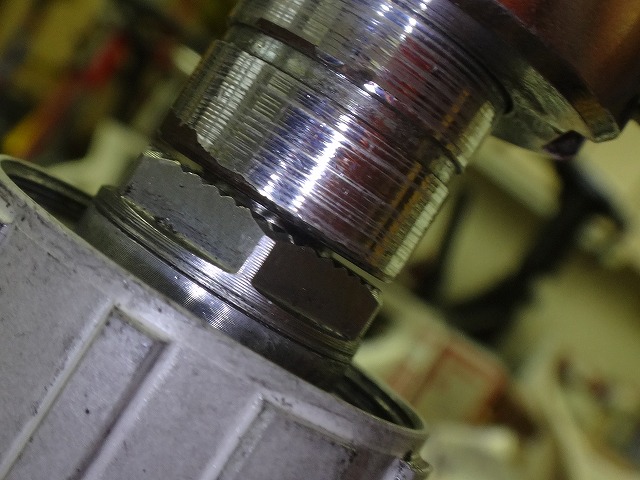
The center shift toward the freewheel side from years of use,
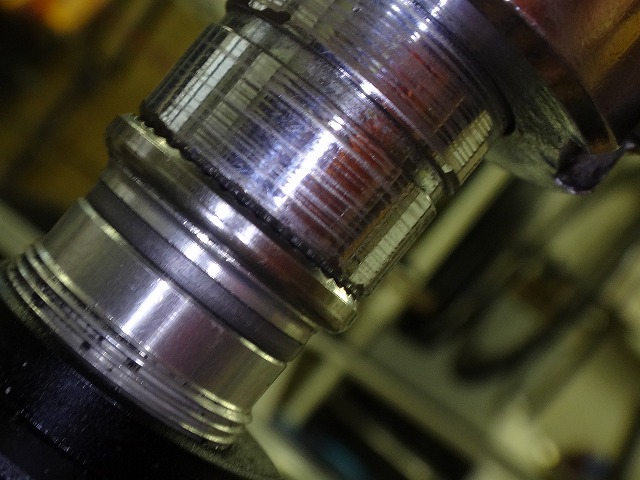
I just corrected.
There was barely any runout to begin with.