Today it's another wheel... (etc). But first.
Back in April this year, I did an inspection on a Roval Alpinist,
but since the customer brought it to our shop right after purchasing it,
if I posted an article on the day they bought the wheel,
the shop that sold it might feel upset when they see this,
plus they'd figure out that I'm the one who bought it,
so I was asked to wait a bit before writing it up.
I didn't reject the images of this Alpinist,
but I still haven't posted about it.
As a standalone unit rather than an accessory included with an Aethos complete bike,
I'd have to be buying it at nearly the fastest pace in Japan,
so if I'd posted on the day I took the photos,
the shop would definitely know it was me.
The customer wasn't a one-time visitor, so at that time
I said some pretty harsh things about the Alpinist:
"It's just pointlessly light—there's no way you'd run this setup.
If you've got a Bora WTO or something like Nomo Lab wheels number 8,
there's no way you wouldn't notice how sluggish this is by comparison,"
but when they came back a few times after that and I asked how they liked it,
they said: "I get that the rim is light, but honestly,
the Bora WTO45 (not Ultra), which definitely should have a heavier rim, climbs better,
and overall—both on flats and climbs—it just feels sluggish."
So they'd been asking me for a while to rebuild it...
So anyway, today it's another wheel... (etc).

I received a white logo CLX50DB from the customer.
Wait—this one comes before the Alpinist?
This one doesn't roll well either, apparently.
Well, if it did, they wouldn't have brought it to our shop...
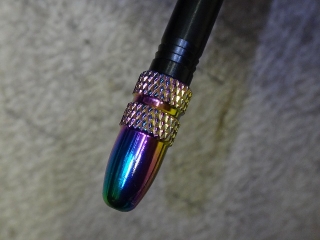
Just like how people who take the trouble to install
lime green anodized aluminum valve caps
tend to have frames that are almost yellow-green (Cannondale or Merida),
people who install oil slick color valve caps
probably match them with oil slick colored bar tape and bottle cages from Spakaz (total stereotype).
Actually, this valve cap itself is a Spakaz product too.
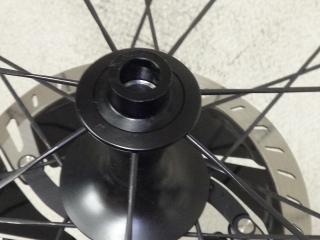
On the right side quick-release end of the front hub,
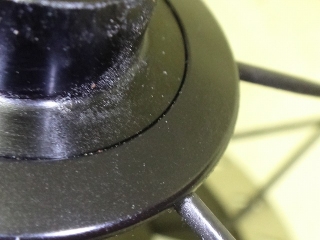
the end isn't quite flush with the hub body—the end is slightly inset.
That's fine, but on every front wheel,
even though the bearings should be properly pressed in,
there's individual variation in this "degree of not being flush."
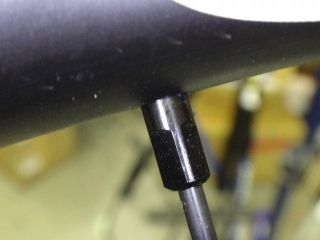
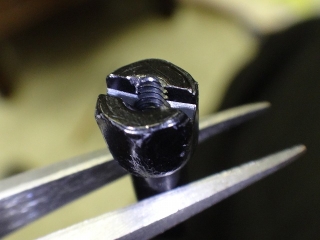
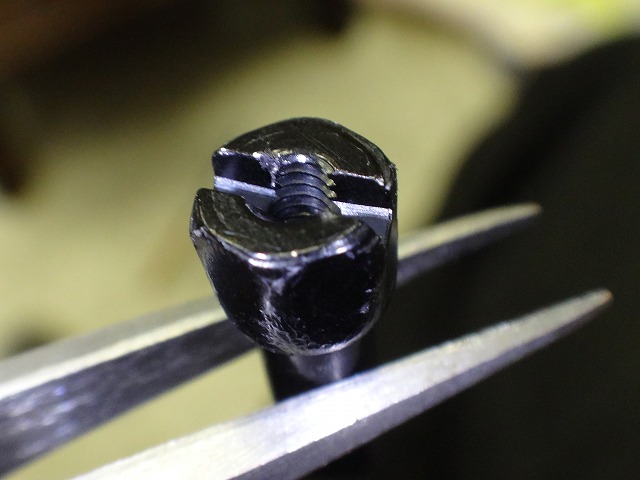
Like the CL, these nipples have a hexagonal grip area on the outer edge,
but unlike the CL, they're aluminum nipples rather than brass.
Nipples that can be turned from the outer edge often have
a square grip area on the inner edge with a short vertical span or oddly rounded corners,
and many seem designed to be adjusted only from the outer edge,
but these nipples can be adjusted from the inner edge without stripping.
Wheel building is done turning from the outer edge, but for minor truing,
you can turn from the inner edge without any problems.
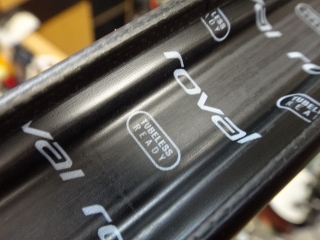
If I were building the wheel by gripping from the inner edge,
I could rebuild it without removing the rim tape,
but this time I decided to remove it and grip from the outer edge.
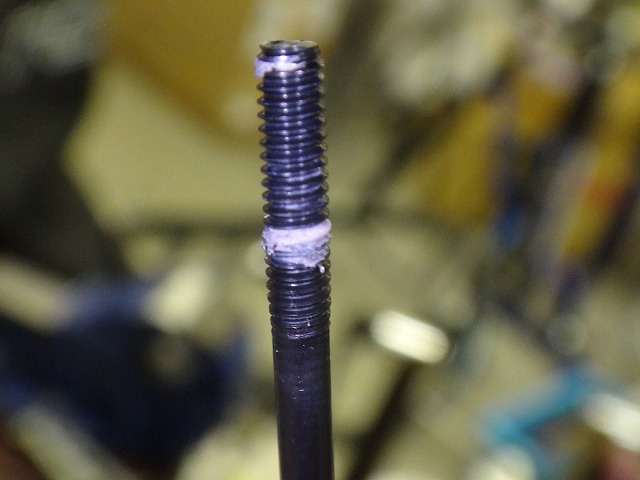
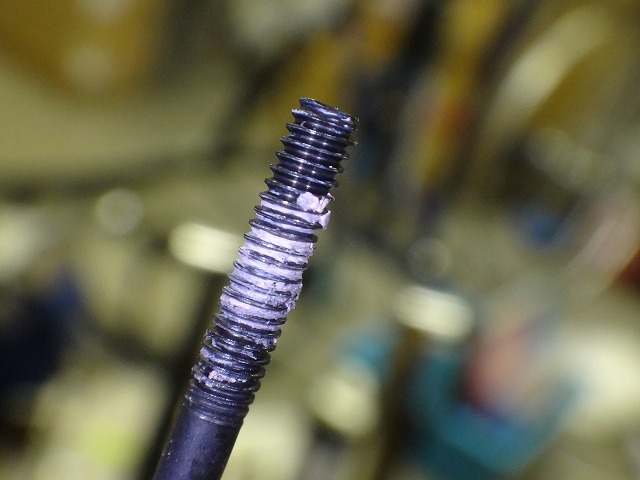
All the spokes are Aero Lites, so I'm just replacing the 7 spokes
on the lower spoke count side of the 21H with CX Sprints,
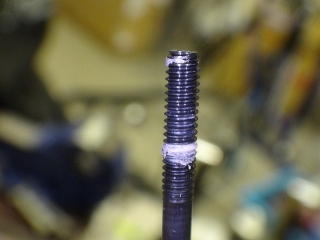
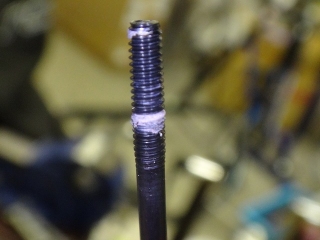
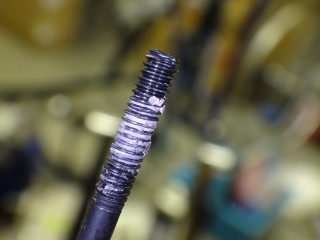
The threadlocker on the spoke threads was pretty weak—
(the images above are all different spokes),
they could be loosened by hand after just getting them started with a tool,
so I completely disassembled it and applied threadlocker
to all the spoke threads.
People will probably say I just did this to meet the conditions of today's wheel... (etc),
and I can't deny that.
This wheel's been used quite a bit, but
since it's never been ridden in the rain
and is run as tubed rather than tubeless,
there weren't any corroded nipples.
The corroded Roval nipples I mentioned recently (→here)
were brass, which is part of it, so
you can't make a simple comparison.
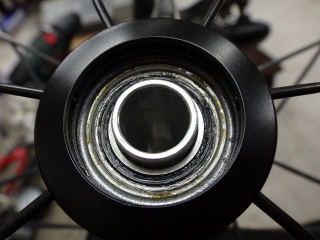
Going back in the timeline, this is from before disassembly.
The bearing rotation was a bit gritty.
It's not so bad it absolutely needs replacement, so I'll check with the customer.
The Roval front hub has bearings that are quite small relative to the hub body size,
and they deliberately made the bearings even smaller by filling the gap.
This is one of Roval's stupid design choices that
the manufacturing partner DT doesn't do on their hubs,
and the bearing life is extremely short.
The CL is one thing, but the CLX with CeramicSpeed ceramic bearings—
most used examples have
gritty bearing rotation.
CeramicSpeed bearings usually have blue seals, but
this bearing has a black seal,
though the surface facing inward is probably blue.

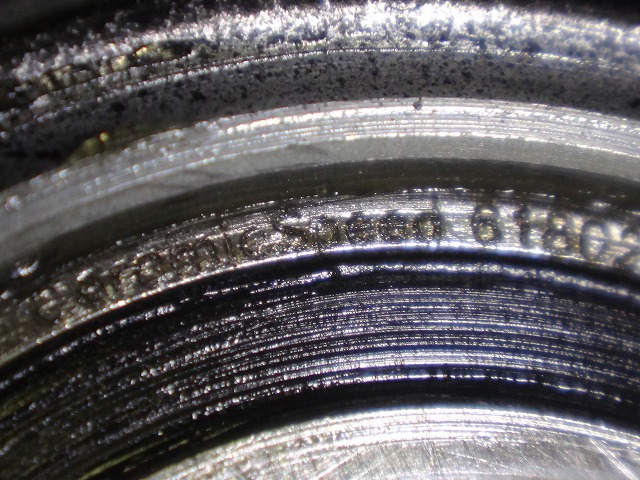
The outer race says "CeramicSpeed 61802,"
so it's definitely CeramicSpeed.
This hub is thru-axle, but the skewer—not a quick-release,
but the screw-down type—applies enough force to the inner race
that cartridge bearing rotation becomes noticeably heavier,
making it unsuitable for cartridge bearings, especially
on quick-release end hubs.
DT's hubs use bearings large enough to handle the skewers
they themselves produce, but
they don't enforce this standard across all their OEM hubs.
Even GIANT produced a skewer
for their DT hub wheels, but apparently having second thoughts
(GIANT hubs also have unnecessarily small-diameter bearings),
they quickly discontinued the road skewer.
So even with a thru-axle, I think bearing wear accelerates
if you over-tighten with a 6802-size bearing.
A skewer is a type of quick-release after all.
With a quick-release, even if you try to over-tighten,
the lever won't close all the way and you get a feeling
like the cam might self-destruct, so
over-tightening is essentially prevented—
a kind of fool-proofing I didn't fully appreciate
until skewers became common.
I actually already touched on how
over-tightening thru-axles damages bearings early
(→here).
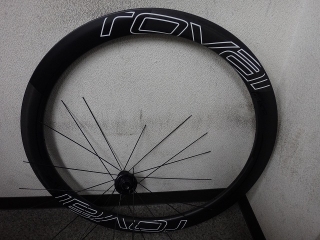
Disassembled.
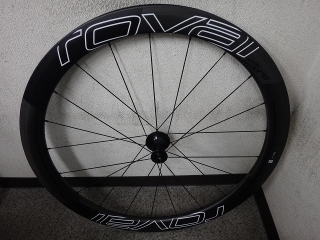
Built.
The white part of the ROVAL lettering is print, not a seal,
but it has enough thickness that the gauge on the truing stand
can touch it during final lateral truing and it gets mistaken for runout.
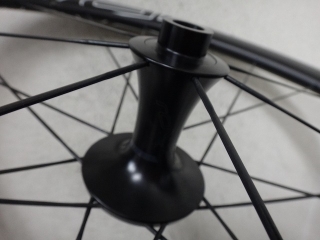
Hard to tell in the photo,
but I replaced the lower spoke count side with CX Sprints.
I'll do the lacing later.
Back in April this year, I did an inspection on a Roval Alpinist,
but since the customer brought it to our shop right after purchasing it,
if I posted an article on the day they bought the wheel,
the shop that sold it might feel upset when they see this,
plus they'd figure out that I'm the one who bought it,
so I was asked to wait a bit before writing it up.
I didn't reject the images of this Alpinist,
but I still haven't posted about it.
As a standalone unit rather than an accessory included with an Aethos complete bike,
I'd have to be buying it at nearly the fastest pace in Japan,
so if I'd posted on the day I took the photos,
the shop would definitely know it was me.
The customer wasn't a one-time visitor, so at that time
I said some pretty harsh things about the Alpinist:
"It's just pointlessly light—there's no way you'd run this setup.
If you've got a Bora WTO or something like Nomo Lab wheels number 8,
there's no way you wouldn't notice how sluggish this is by comparison,"
but when they came back a few times after that and I asked how they liked it,
they said: "I get that the rim is light, but honestly,
the Bora WTO45 (not Ultra), which definitely should have a heavier rim, climbs better,
and overall—both on flats and climbs—it just feels sluggish."
So they'd been asking me for a while to rebuild it...
So anyway, today it's another wheel... (etc).

I received a white logo CLX50DB from the customer.
Wait—this one comes before the Alpinist?
This one doesn't roll well either, apparently.
Well, if it did, they wouldn't have brought it to our shop...
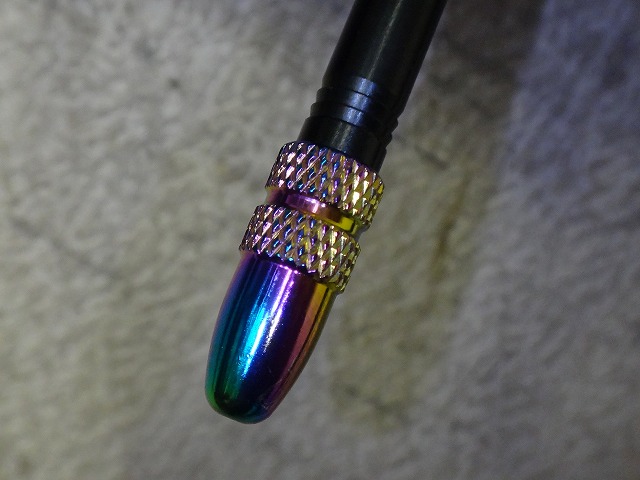
Just like how people who take the trouble to install
lime green anodized aluminum valve caps
tend to have frames that are almost yellow-green (Cannondale or Merida),
people who install oil slick color valve caps
probably match them with oil slick colored bar tape and bottle cages from Spakaz (total stereotype).
Actually, this valve cap itself is a Spakaz product too.
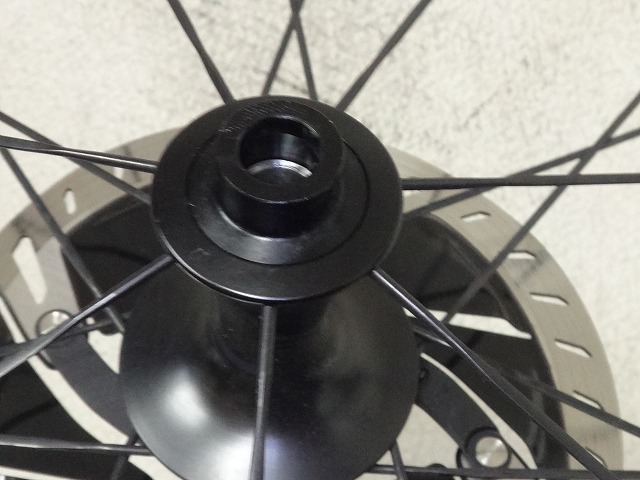
On the right side quick-release end of the front hub,

the end isn't quite flush with the hub body—the end is slightly inset.
That's fine, but on every front wheel,
even though the bearings should be properly pressed in,
there's individual variation in this "degree of not being flush."
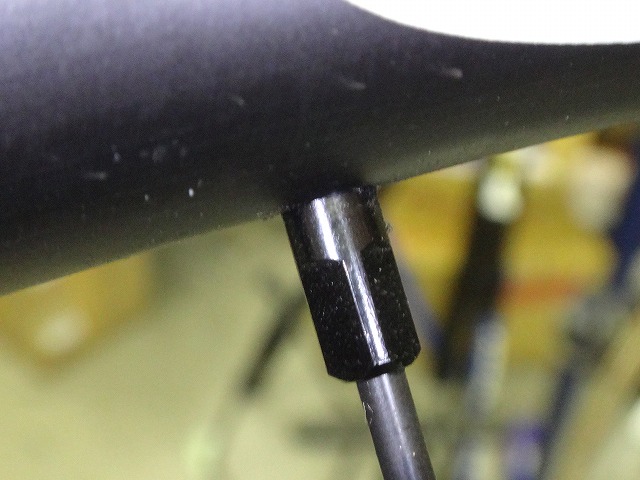
Like the CL, these nipples have a hexagonal grip area on the outer edge,
but unlike the CL, they're aluminum nipples rather than brass.
Nipples that can be turned from the outer edge often have
a square grip area on the inner edge with a short vertical span or oddly rounded corners,
and many seem designed to be adjusted only from the outer edge,
but these nipples can be adjusted from the inner edge without stripping.
Wheel building is done turning from the outer edge, but for minor truing,
you can turn from the inner edge without any problems.

If I were building the wheel by gripping from the inner edge,
I could rebuild it without removing the rim tape,
but this time I decided to remove it and grip from the outer edge.
All the spokes are Aero Lites, so I'm just replacing the 7 spokes
on the lower spoke count side of the 21H with CX Sprints,

The threadlocker on the spoke threads was pretty weak—
(the images above are all different spokes),
they could be loosened by hand after just getting them started with a tool,
so I completely disassembled it and applied threadlocker
to all the spoke threads.
People will probably say I just did this to meet the conditions of today's wheel... (etc),
and I can't deny that.
This wheel's been used quite a bit, but
since it's never been ridden in the rain
and is run as tubed rather than tubeless,
there weren't any corroded nipples.
The corroded Roval nipples I mentioned recently (→here)
were brass, which is part of it, so
you can't make a simple comparison.

Going back in the timeline, this is from before disassembly.
The bearing rotation was a bit gritty.
It's not so bad it absolutely needs replacement, so I'll check with the customer.
The Roval front hub has bearings that are quite small relative to the hub body size,
and they deliberately made the bearings even smaller by filling the gap.
This is one of Roval's stupid design choices that
the manufacturing partner DT doesn't do on their hubs,
and the bearing life is extremely short.
The CL is one thing, but the CLX with CeramicSpeed ceramic bearings—
most used examples have
gritty bearing rotation.
CeramicSpeed bearings usually have blue seals, but
this bearing has a black seal,
though the surface facing inward is probably blue.
The outer race says "CeramicSpeed 61802,"
so it's definitely CeramicSpeed.
This hub is thru-axle, but the skewer—not a quick-release,
but the screw-down type—applies enough force to the inner race
that cartridge bearing rotation becomes noticeably heavier,
making it unsuitable for cartridge bearings, especially
on quick-release end hubs.
DT's hubs use bearings large enough to handle the skewers
they themselves produce, but
they don't enforce this standard across all their OEM hubs.
Even GIANT produced a skewer
for their DT hub wheels, but apparently having second thoughts
(GIANT hubs also have unnecessarily small-diameter bearings),
they quickly discontinued the road skewer.
So even with a thru-axle, I think bearing wear accelerates
if you over-tighten with a 6802-size bearing.
A skewer is a type of quick-release after all.
With a quick-release, even if you try to over-tighten,
the lever won't close all the way and you get a feeling
like the cam might self-destruct, so
over-tightening is essentially prevented—
a kind of fool-proofing I didn't fully appreciate
until skewers became common.
I actually already touched on how
over-tightening thru-axles damages bearings early
(→here).
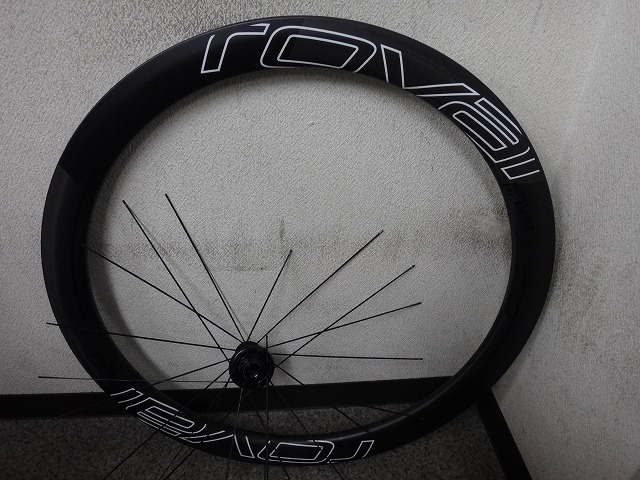
Disassembled.
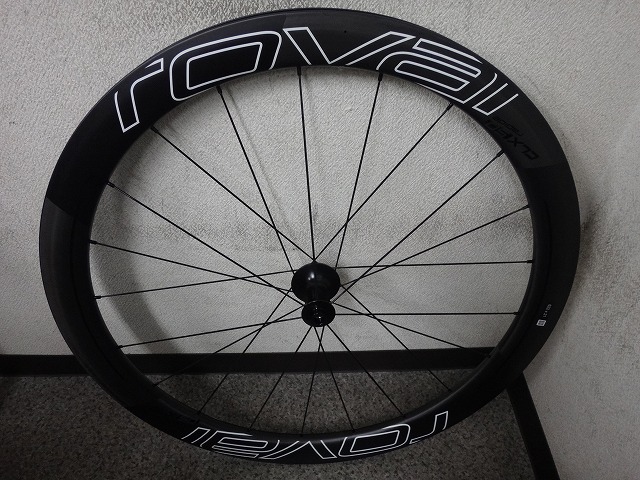
Built.
The white part of the ROVAL lettering is print, not a seal,
but it has enough thickness that the gauge on the truing stand
can touch it during final lateral truing and it gets mistaken for runout.
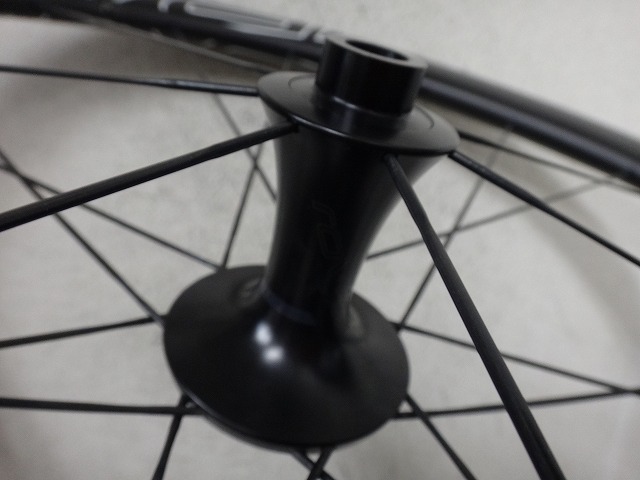
Hard to tell in the photo,
but I replaced the lower spoke count side with CX Sprints.
I'll do the lacing later.