I haven't been able to respond to comments recently, but
I can answer a few of them right away.
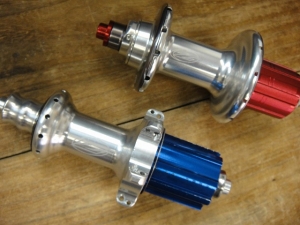
The other day I wrote something like "I don't know of any ZIPP free body that's compatible with Shimano 11-speed,"
but I received a comment saying that actually there are such products.
Not only that, but they gave me detailed information about compatibility and incompatibility
depending on hub color and year, which was very educational.
I'd like to take this opportunity to say thank you.
Really, I should have researched this myself.
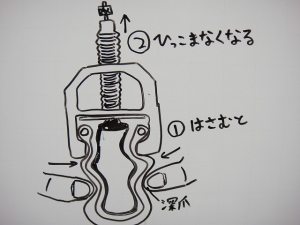
I received a comment asking: "Without using a valve nut, it feels like the pump head
doesn't go in all the way. Is there some technique to do this?"
With lever-type pumps, the rubber on the pump head can be looser and it's still OK (because the lever tightens it),
but with pumps where you just push the head on, the "property of not slipping off under high pressure"
depends on how tightly the rubber fits, so most have a tight fit when pushed onto the valve.
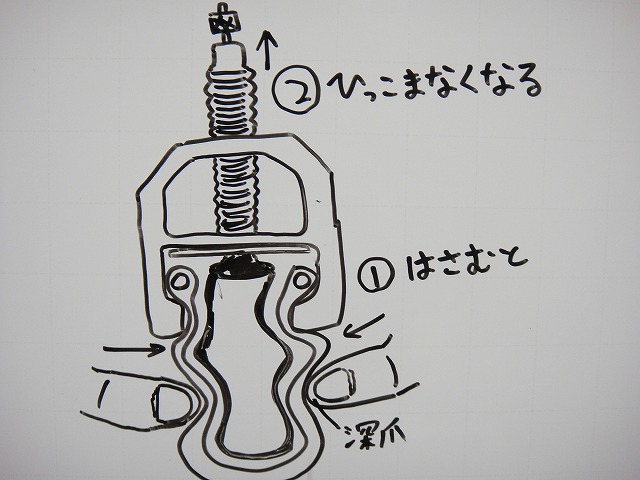
In those cases, if you squeeze the tire sidewall just below the valve like in the diagram above,
the valve won't sink into the rim, so the pump head will seat firmly all the way in.
Since there are valves that don't have threads for a valve nut,
that nut isn't absolutely necessary as a functional component.

↑This type of thing right here.
The inlet of the pump head has just the right amount of grip regardless of valve diameter (which varies between individual units)
so it won't slip out during use. I recommend this one.
It's also nice that when it does loosen up, you can get replacement parts from the manufacturer.
I've tried various pumps in the past, but this one feels the best in actual use.
Completely off-topic,
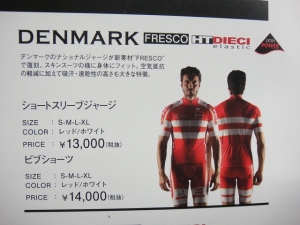
but Palentieri's Denmark jersey looks really cool.
It fits the body like a skinsuit, and
excellent moisture-wicking and quick-drying properties are major features too.
I received a comment asking: "I heard that sprockets can dig into Novatech hub free bodies."
This isn't just a Novatech issue—it can happen with any free body.

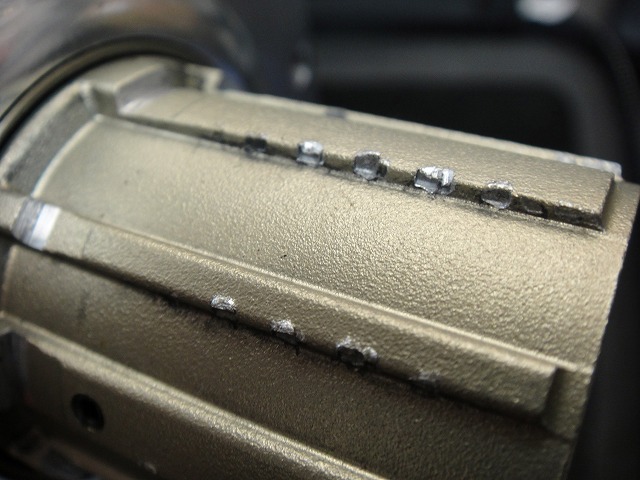
The spline (fitting grooves) of the sprocket dig into the forward direction of the free body.
When this happens, it's often impossible to pull the sprocket straight out.
In that case, you can use a sprocket tool (that rod with the chain on it)
applied in two different directions to rotate the dig-in backwards, or
tap the sprocket backward with a plastic hammer
(tap it in a way that rotates the free body) and the dig-in will release,
making it easy to pull the sprocket out.
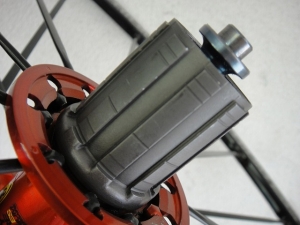
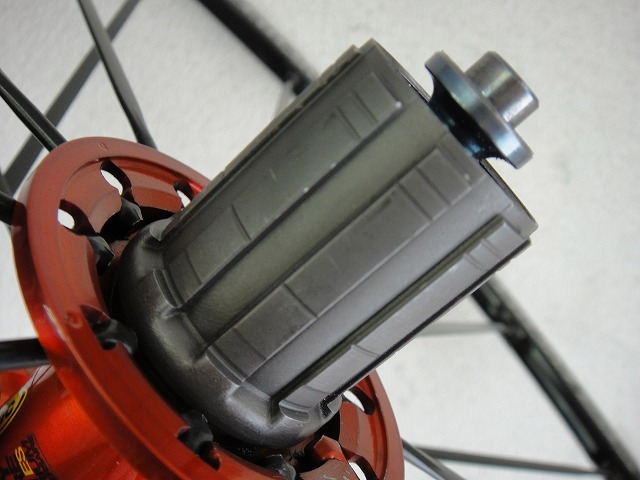
Steel-bodied free bodies are very resistant to digging-in,
but it's not like it absolutely never happens.
As the number of sprockets increases, the width per sprocket decreases, so
it probably does become easier for dig-in to occur,
but the parts where spider arms bundle 2 or 3 gears together
should be resistant to this happening.
Thinking about it that way, SRAM's RED sprocket design with
the whole structure being hollow throughout is clever.

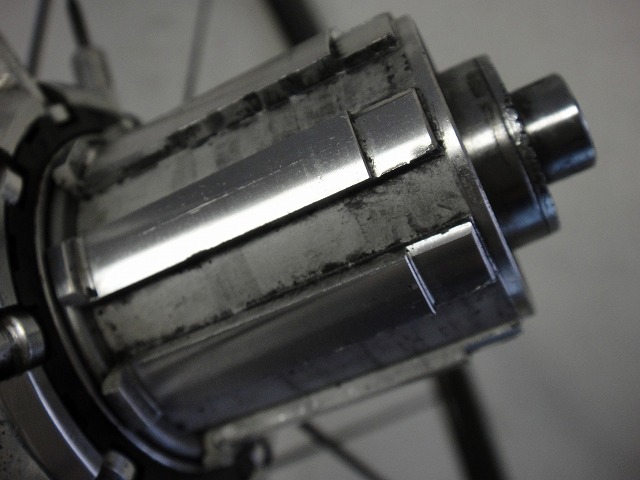
Shimano's 10-speed exclusive free body,
despite being aluminum, has spline ridges made taller partway through,
so anti-dig-in was the second design consideration.
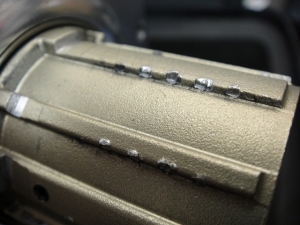
In the image above you can see traces where the sprocket dug in, but
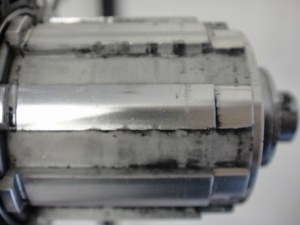
when viewed from directly above, it hasn't dug in that much.
I said "second reason" a moment ago, but the first reason is
"releasing a free body that won't accept 9-speed gears in order to encourage upgrades to 10-speed."
The fact that they later brought back 8/9-speed compatible titanium freewheel bodies once things cooled down
makes it pretty undeniable that the goal was to phase out old customers.
They did something similar with the 11-speed transition too.
It's amazing how confident they are that people will buy it from them over and over again like that.
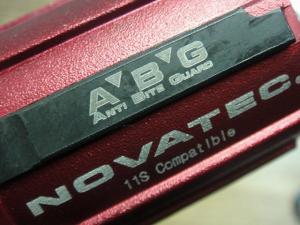
Novatech also makes a "dig-in prevention steel plate insert free body" specification.
If you're concerned about dig-in, that's an option too.
I can answer a few of them right away.
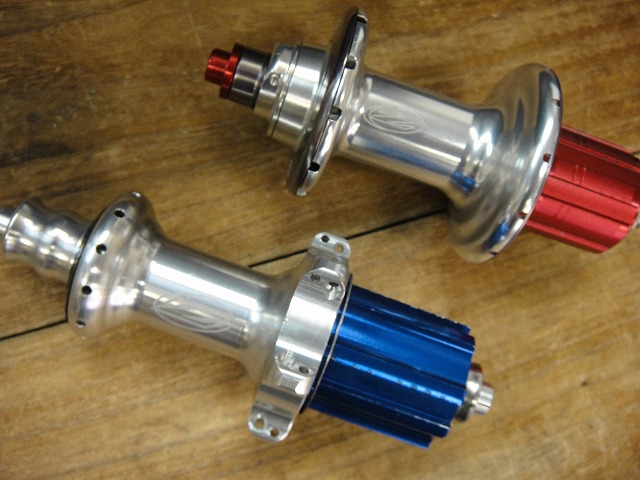
The other day I wrote something like "I don't know of any ZIPP free body that's compatible with Shimano 11-speed,"
but I received a comment saying that actually there are such products.
Not only that, but they gave me detailed information about compatibility and incompatibility
depending on hub color and year, which was very educational.
I'd like to take this opportunity to say thank you.
Really, I should have researched this myself.
I received a comment asking: "Without using a valve nut, it feels like the pump head
doesn't go in all the way. Is there some technique to do this?"
With lever-type pumps, the rubber on the pump head can be looser and it's still OK (because the lever tightens it),
but with pumps where you just push the head on, the "property of not slipping off under high pressure"
depends on how tightly the rubber fits, so most have a tight fit when pushed onto the valve.
In those cases, if you squeeze the tire sidewall just below the valve like in the diagram above,
the valve won't sink into the rim, so the pump head will seat firmly all the way in.
Since there are valves that don't have threads for a valve nut,
that nut isn't absolutely necessary as a functional component.

↑This type of thing right here.
The inlet of the pump head has just the right amount of grip regardless of valve diameter (which varies between individual units)
so it won't slip out during use. I recommend this one.
It's also nice that when it does loosen up, you can get replacement parts from the manufacturer.
I've tried various pumps in the past, but this one feels the best in actual use.

Completely off-topic,
but Palentieri's Denmark jersey looks really cool.
It fits the body like a skinsuit, and
excellent moisture-wicking and quick-drying properties are major features too.
I received a comment asking: "I heard that sprockets can dig into Novatech hub free bodies."
This isn't just a Novatech issue—it can happen with any free body.

The spline (fitting grooves) of the sprocket dig into the forward direction of the free body.
When this happens, it's often impossible to pull the sprocket straight out.
In that case, you can use a sprocket tool (that rod with the chain on it)
applied in two different directions to rotate the dig-in backwards, or
tap the sprocket backward with a plastic hammer
(tap it in a way that rotates the free body) and the dig-in will release,
making it easy to pull the sprocket out.
Steel-bodied free bodies are very resistant to digging-in,
but it's not like it absolutely never happens.
As the number of sprockets increases, the width per sprocket decreases, so
it probably does become easier for dig-in to occur,
but the parts where spider arms bundle 2 or 3 gears together
should be resistant to this happening.
Thinking about it that way, SRAM's RED sprocket design with
the whole structure being hollow throughout is clever.
Shimano's 10-speed exclusive free body,
despite being aluminum, has spline ridges made taller partway through,
so anti-dig-in was the second design consideration.
In the image above you can see traces where the sprocket dug in, but
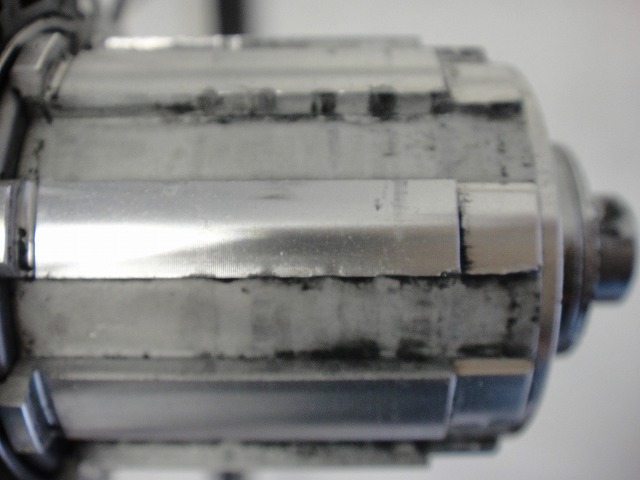
when viewed from directly above, it hasn't dug in that much.
I said "second reason" a moment ago, but the first reason is
"releasing a free body that won't accept 9-speed gears in order to encourage upgrades to 10-speed."
The fact that they later brought back 8/9-speed compatible titanium freewheel bodies once things cooled down
makes it pretty undeniable that the goal was to phase out old customers.
They did something similar with the 11-speed transition too.
It's amazing how confident they are that people will buy it from them over and over again like that.
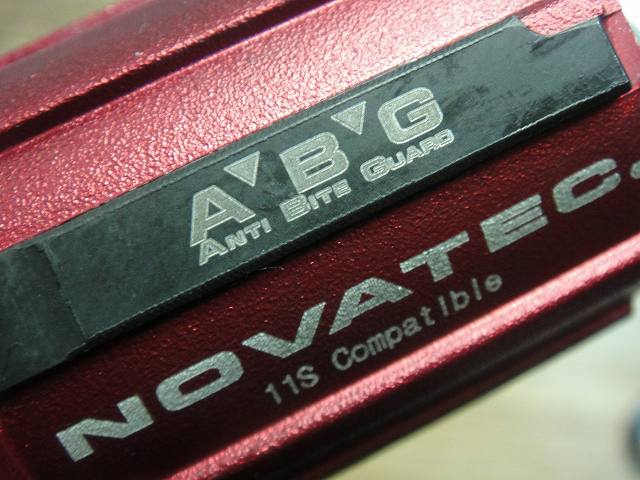
Novatech also makes a "dig-in prevention steel plate insert free body" specification.
If you're concerned about dig-in, that's an option too.