I see so many hand-built and factory-built wheels out there with radial lacing on the non-drive side of the rear wheel that I figured I'd write about it today.
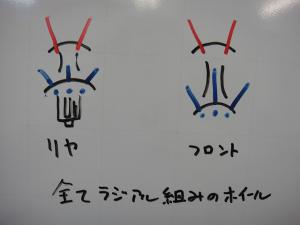
↑This here is an outpoke lacing with a bent spoke, but
let's think about a wheel that's fully radial laced.
Radial lacing minimizes the total spoke weight,
so if we're only talking about a wheel that "feels light" in your hand, it's the optimal solution.
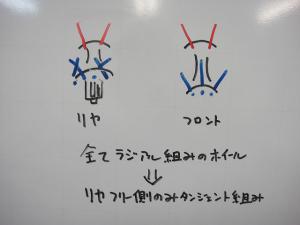
↑From that state, I switched only the drive side to tangent lacing to counteract freewheel body twist.
That's it.
I'd wager that wheels with drive-side tangent lacing and non-drive-side radial lacing
are built with just this much thought behind them.
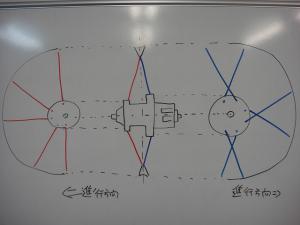
From certain unfolded diagrams it looks like this, but
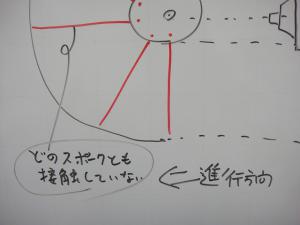
because the non-drive-side spokes have no contact with other spokes,
you won't get any noise even if spoke tension is loose.
With hand-built wheels,
or wheels that are otherwise hand-built except swapped to straight spokes—
doing this without good reason is a abdication of thought.
It's true that radial lacing is lighter than tangent lacing
and "better for aerodynamics,"
but that's where it ends.
With a 24-hole 46-lace pattern, depending on rim height and spoke type,
the rear wheel gains about 30 grams.
But that's not weight at the rim's outer edge, and it significantly improves rigidity—
the first and foremost performance characteristic of a wheel—so
I'd ask you to overlook the 30-gram weight penalty.
This is a genuinely painful part of the explanation, since I'm listing downsides.
The off-the-shelf Tni wheel using the same rim and hub as the Nomu Lab Wheel No. 2
has a catalog weight of 735 grams,
while my Nomu Lab Wheel No. 2—with 46-lace construction plus
non-drive-side spoke soldering—
actually weighs 759 grams.
People are buying the Nomu Lab Wheel on the faith that rigidity gains
outweigh the weight penalty I mentioned
(at least, that's the hope), so
I always get nervous when asking how they like it.
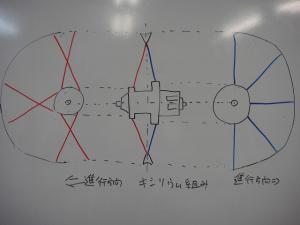
If I call non-drive-side radial lacing "bad,"
then the drive-side radial Ksyrium is quite an unusual wheel indeed.
With equal spoke counts left and right, minimizing spoke tension differential—
isn't that the theoretical extreme of the idea?
I wrote some pretty harsh stuff just now—"non-drive-side radial lacing is thoughtless"—but
plenty of wheels using non-drive-side radial aren't just doing it plainly;
they have defendable reasons and clever engineering behind them.
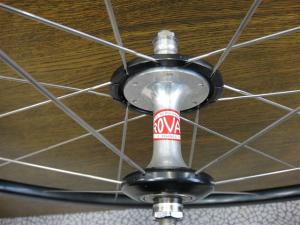
The original was Roval; these days you often see 2:1 lacing from Fulcrum.
The non-drive side has half the normal spoke count, bearing all the tension
that previously ran through spokes on that side,
so non-drive-side spoke tension shoots up dramatically.
This has an effect so dramatic that the lower tension caused by non-drive-side radial lacing
isn't even worth mentioning.
The G3 lacing—treating the two parallel spokes on the drive side in a parallel pattern
and the single non-drive-side spoke between them as a set of three—
works similarly in that regard.


The Cosmic Carbone Ultimae has drive-side tangent lacing and
non-drive-side radial lacing, but it's got quite tall flanges,
and at this rim height they've used an offset rim.
I'd say they've basically eliminated the weaknesses of non-drive-side radial lacing. What's terrifying is
that because the non-drive side is radial laced, they can use nipples, making truing possible—
something you can't do if you tangent-lace the non-drive side.
Whether they designed it this way from the start (← probably this one),
or stumbled onto it by happy accident,
either way it's a design that only works for factory-built wheels.
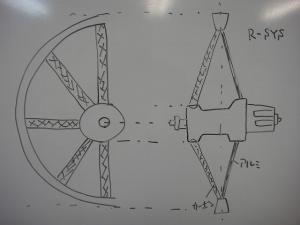
Next, the R-SYS. This is also non-drive-side radial laced.
I can easily imagine the reasoning that led them there.
They could've made a cool wheel by radial-lacing the drive side with carbon spokes,
but if the chain ever fell inside the sprockets and jammed,
the wheel would be done in one blow. As a commercial product, that's just too risky,
so they reluctantly went with aluminum spokes on the drive side.
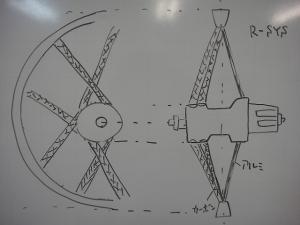
If you then made the drive side radial aluminum spokes
and the non-drive side tangent carbon spokes,
you'd need quite beefy flanges.
I can't see much aerodynamic or theoretical wheel advantage to that,
so they probably had no choice but to do drive-side tangent and non-drive-side radial.
The R-SYS carbon spokes have structural characteristics for tension change from nipple adjustment
that differ greatly from conventional spokes, so
I can't evaluate them the same way as hand-built non-drive-side radial lacing.
So far I've listed "examples of non-drive-side radial lacing wheels I can accept",
but every single one is a factory-built wheel.
For hand-built wheels (including factory-built wheels without special structure),
I can't find any merit to non-drive-side radial lacing beyond
a bit of weight savings and slightly better aerodynamics,
so I basically don't build that way.
Even if I radial-lace the non-drive side with hand-building materials,
I don't feel like it solves the wheel-balance problem.
(In fact, it gets worse—I've touched on this in various wheel discussions)
That's why I tangent-lace the non-drive side.

The echo-chamber types have it in for this approach (laughs).
With radial or tangent lacing, the thing still gets torn apart, so
I don't think there's much difference either way.
I think you can ignore what they say,
but I'd ask you to believe that the weight gain from non-drive-side tangent lacing
brings more than enough benefit to justify it.
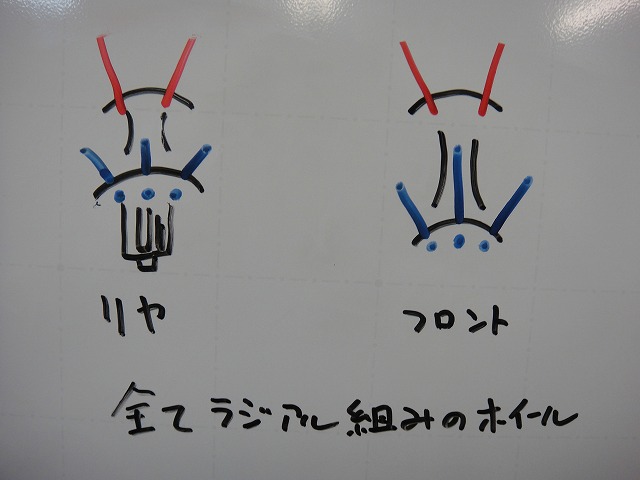
↑This here is an outpoke lacing with a bent spoke, but
let's think about a wheel that's fully radial laced.
Radial lacing minimizes the total spoke weight,
so if we're only talking about a wheel that "feels light" in your hand, it's the optimal solution.
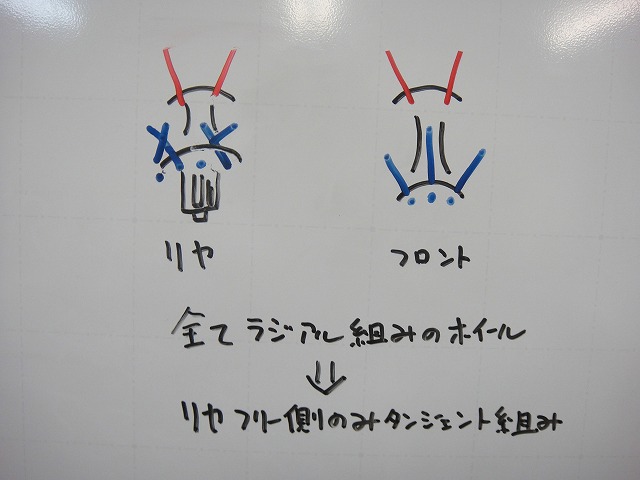
↑From that state, I switched only the drive side to tangent lacing to counteract freewheel body twist.
That's it.
I'd wager that wheels with drive-side tangent lacing and non-drive-side radial lacing
are built with just this much thought behind them.
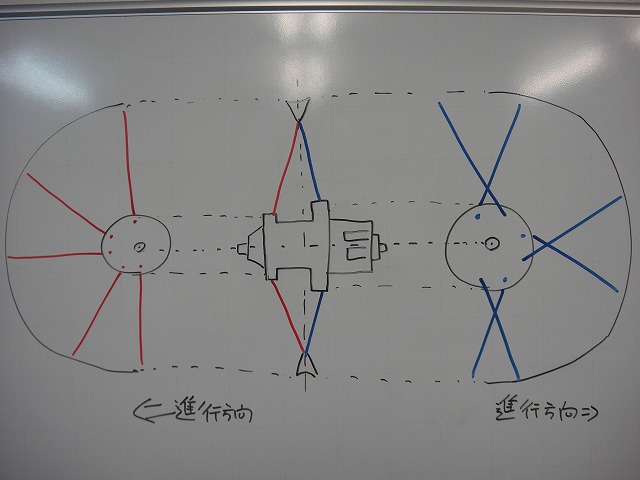
From certain unfolded diagrams it looks like this, but
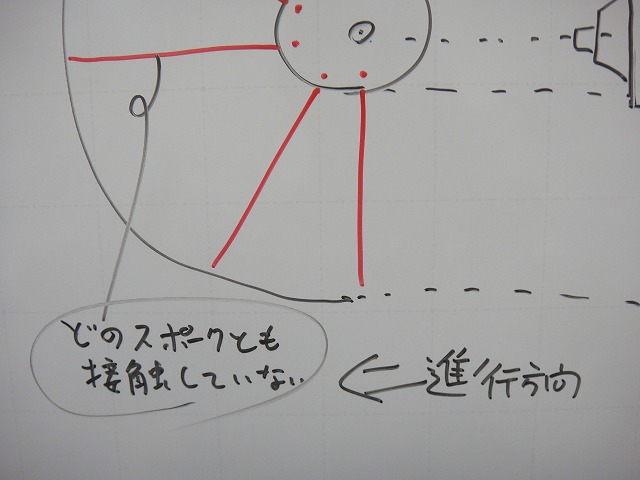
because the non-drive-side spokes have no contact with other spokes,
you won't get any noise even if spoke tension is loose.
With hand-built wheels,
or wheels that are otherwise hand-built except swapped to straight spokes—
doing this without good reason is a abdication of thought.
It's true that radial lacing is lighter than tangent lacing
and "better for aerodynamics,"
but that's where it ends.
With a 24-hole 46-lace pattern, depending on rim height and spoke type,
the rear wheel gains about 30 grams.
But that's not weight at the rim's outer edge, and it significantly improves rigidity—
the first and foremost performance characteristic of a wheel—so
I'd ask you to overlook the 30-gram weight penalty.
This is a genuinely painful part of the explanation, since I'm listing downsides.
The off-the-shelf Tni wheel using the same rim and hub as the Nomu Lab Wheel No. 2
has a catalog weight of 735 grams,
while my Nomu Lab Wheel No. 2—with 46-lace construction plus
non-drive-side spoke soldering—
actually weighs 759 grams.
People are buying the Nomu Lab Wheel on the faith that rigidity gains
outweigh the weight penalty I mentioned
(at least, that's the hope), so
I always get nervous when asking how they like it.
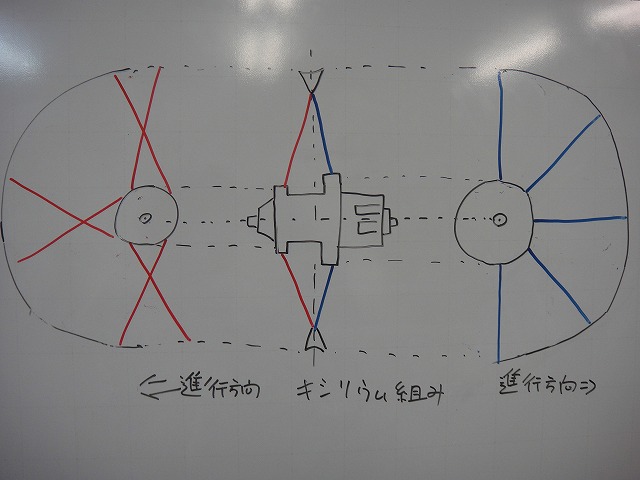
If I call non-drive-side radial lacing "bad,"
then the drive-side radial Ksyrium is quite an unusual wheel indeed.
With equal spoke counts left and right, minimizing spoke tension differential—
isn't that the theoretical extreme of the idea?
I wrote some pretty harsh stuff just now—"non-drive-side radial lacing is thoughtless"—but
plenty of wheels using non-drive-side radial aren't just doing it plainly;
they have defendable reasons and clever engineering behind them.
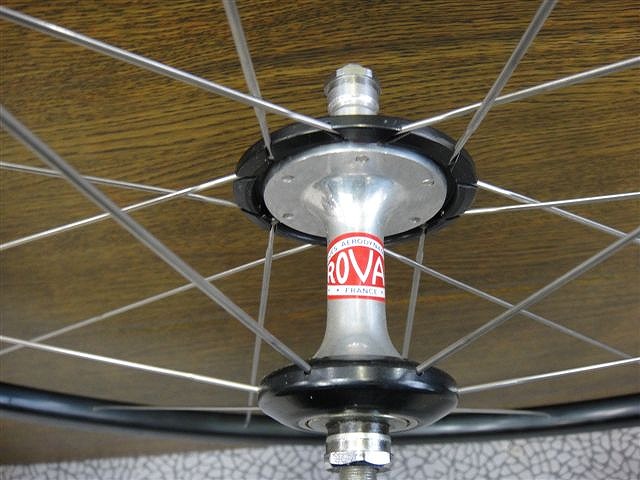
The original was Roval; these days you often see 2:1 lacing from Fulcrum.
The non-drive side has half the normal spoke count, bearing all the tension
that previously ran through spokes on that side,
so non-drive-side spoke tension shoots up dramatically.
This has an effect so dramatic that the lower tension caused by non-drive-side radial lacing
isn't even worth mentioning.
The G3 lacing—treating the two parallel spokes on the drive side in a parallel pattern
and the single non-drive-side spoke between them as a set of three—
works similarly in that regard.
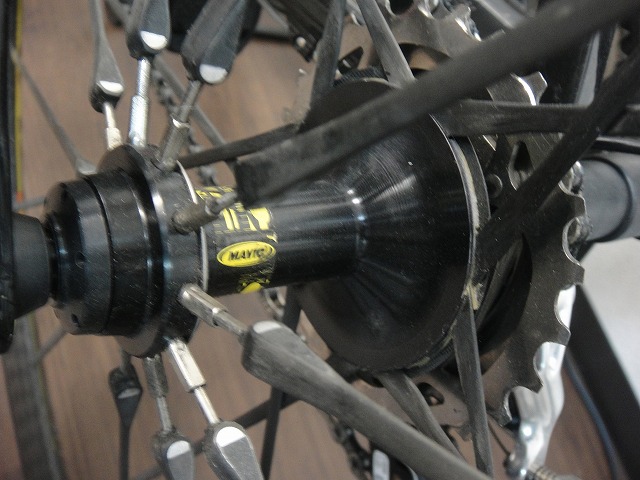
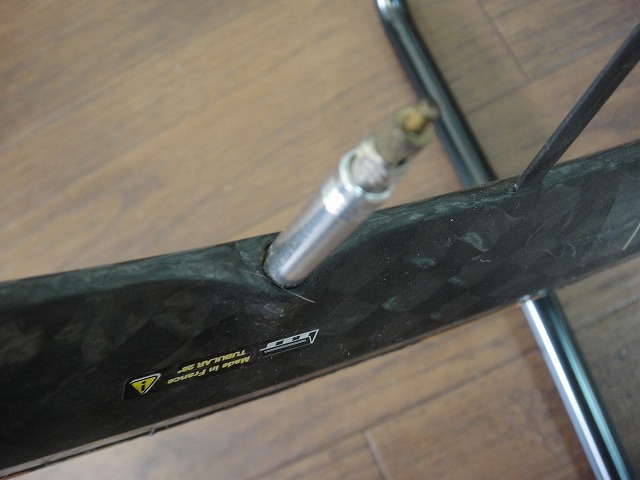
The Cosmic Carbone Ultimae has drive-side tangent lacing and
non-drive-side radial lacing, but it's got quite tall flanges,
and at this rim height they've used an offset rim.
I'd say they've basically eliminated the weaknesses of non-drive-side radial lacing. What's terrifying is
that because the non-drive side is radial laced, they can use nipples, making truing possible—
something you can't do if you tangent-lace the non-drive side.
Whether they designed it this way from the start (← probably this one),
or stumbled onto it by happy accident,
either way it's a design that only works for factory-built wheels.
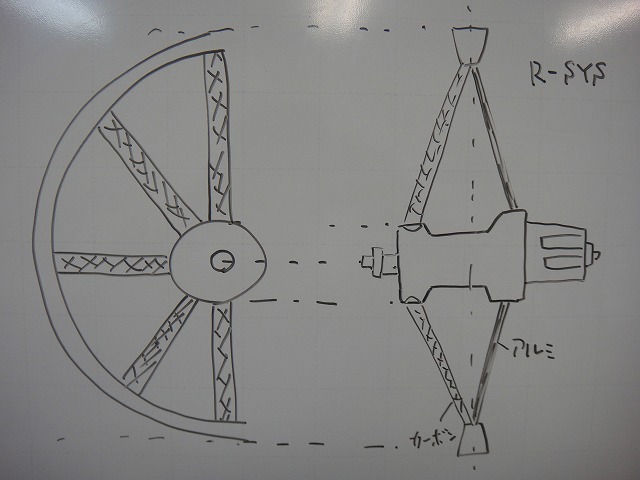
Next, the R-SYS. This is also non-drive-side radial laced.
I can easily imagine the reasoning that led them there.
They could've made a cool wheel by radial-lacing the drive side with carbon spokes,
but if the chain ever fell inside the sprockets and jammed,
the wheel would be done in one blow. As a commercial product, that's just too risky,
so they reluctantly went with aluminum spokes on the drive side.
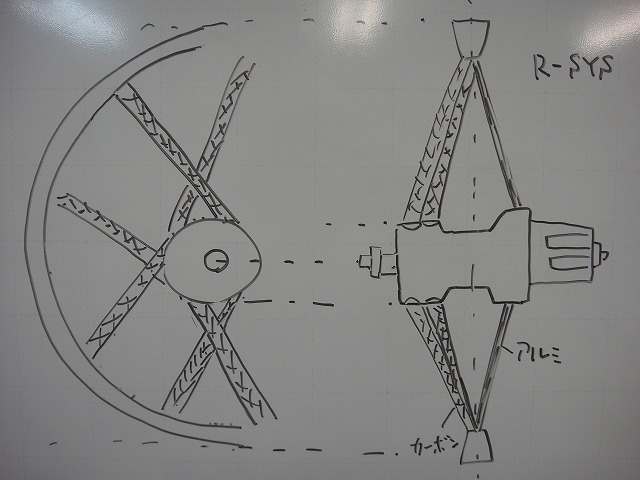
If you then made the drive side radial aluminum spokes
and the non-drive side tangent carbon spokes,
you'd need quite beefy flanges.
I can't see much aerodynamic or theoretical wheel advantage to that,
so they probably had no choice but to do drive-side tangent and non-drive-side radial.
The R-SYS carbon spokes have structural characteristics for tension change from nipple adjustment
that differ greatly from conventional spokes, so
I can't evaluate them the same way as hand-built non-drive-side radial lacing.
So far I've listed "examples of non-drive-side radial lacing wheels I can accept",
but every single one is a factory-built wheel.
For hand-built wheels (including factory-built wheels without special structure),
I can't find any merit to non-drive-side radial lacing beyond
a bit of weight savings and slightly better aerodynamics,
so I basically don't build that way.
Even if I radial-lace the non-drive side with hand-building materials,
I don't feel like it solves the wheel-balance problem.
(In fact, it gets worse—I've touched on this in various wheel discussions)
That's why I tangent-lace the non-drive side.

The echo-chamber types have it in for this approach (laughs).
With radial or tangent lacing, the thing still gets torn apart, so
I don't think there's much difference either way.
I think you can ignore what they say,
but I'd ask you to believe that the weight gain from non-drive-side tangent lacing
brings more than enough benefit to justify it.