Another day of wheels (and so on).
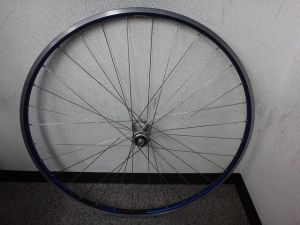
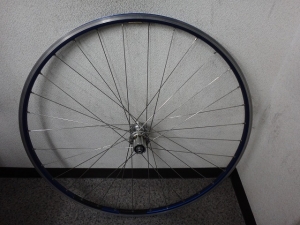
A customer brought in a hand-built wheel for work.
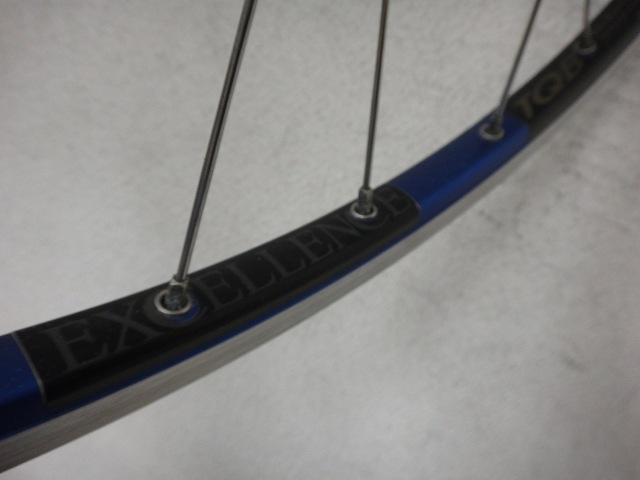
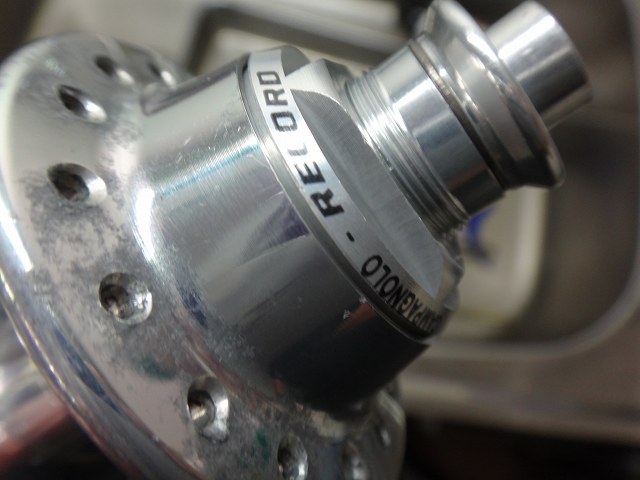
The hub is a Record, and the rim is an Ambrosio Excellences.
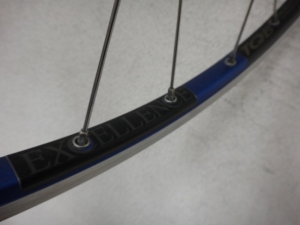
This rim, the Excellences—

I'd like to call it a Colnago Special Version, but actually,
this rim itself was specifically made for hand-built wheels that come on Colnago complete bikes.
The sticker sheet for this rim comes with a COLNAGO sticker pre-attached.
Use that sticker and it becomes a Colnago rim,
don't use it and it's just a generic Excellences rim.
Using the hub from this wheel,
the customer wants to rebuild it with an Open Pro CD (hard anodize, as other brands call it) rim
that they brought in as well.

The front wheel before the rebuild
was all Competé Laced reverse JIS pattern.
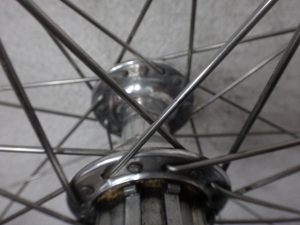
The rear wheel was all Competé Laced reverse Italian pattern.
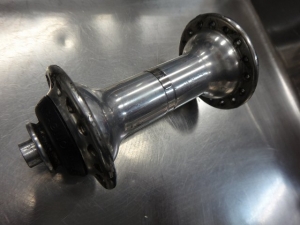
I took it apart.
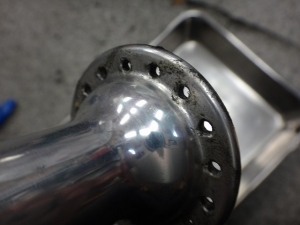
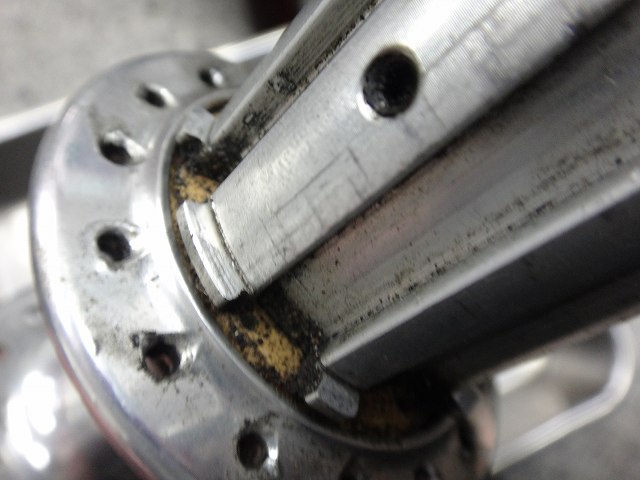
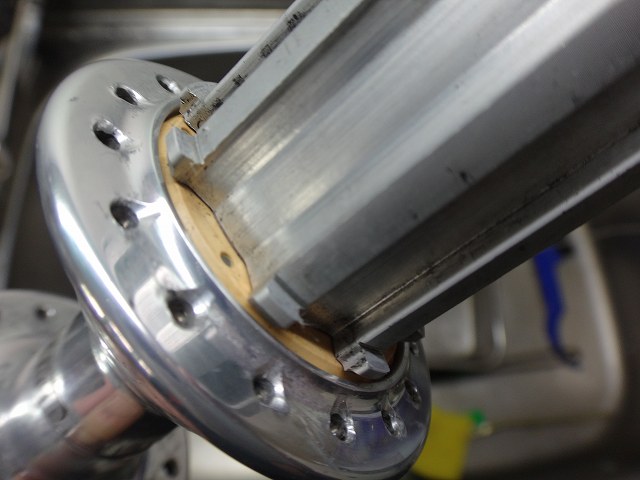
I cleaned the hubs, but also gave them a full overhaul.
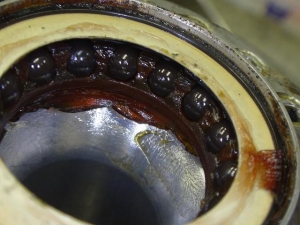
The bearings were set up in "USB condition" (loose).

The inner race shows the wear patterns from the ball rolling, but
all four sides—front and rear, left and right—show no spalling.
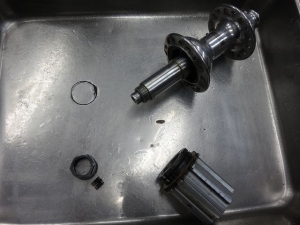
For the rear hub, I first removed the freebody, but
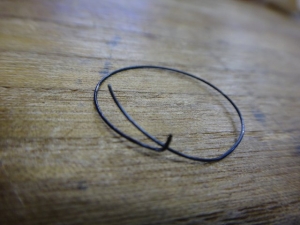
↑the pawl spring was bent, so I replaced that.
That was the only part I needed to replace during the hub overhaul.

Rear hub disassembled.
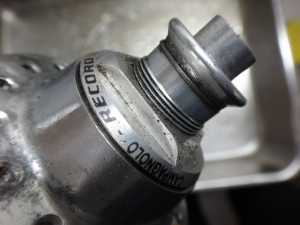
Before

After

Before
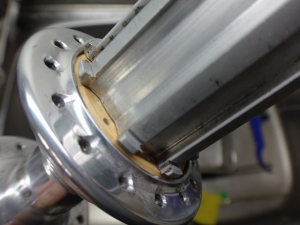
After
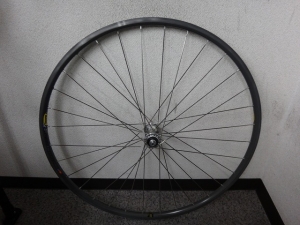
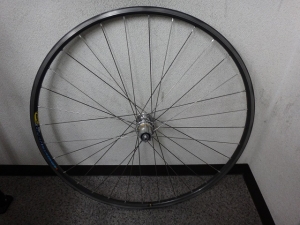
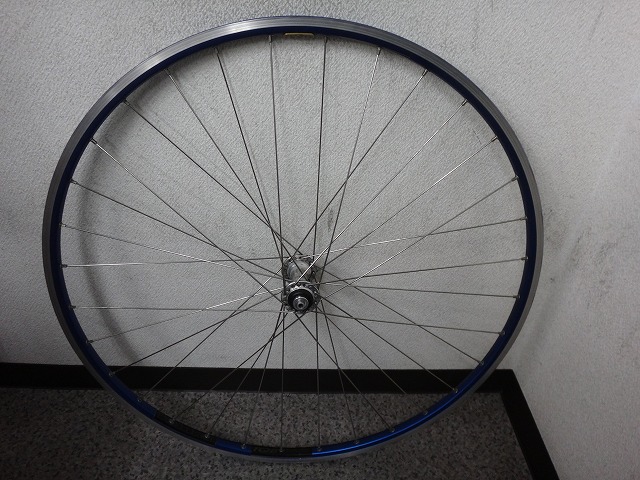
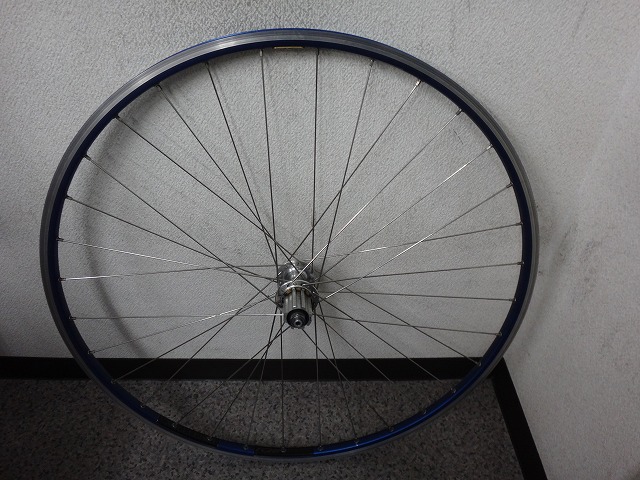
Wheels are built.
The customer specified CX-RAY spokes for the front wheel and semi-Competé for the rear,
but they left the lacing pattern up to me.
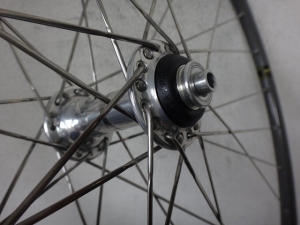
For the front wheel, radial lacing is normally not recommended,
but I'm not opposed to it if a customer requests it.
Since they left it to my judgment this time, I went with laced Italian pattern.
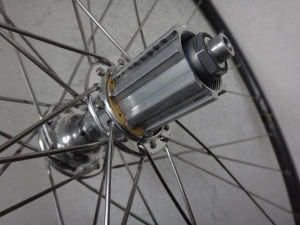
The rear wheel is semi-Competé 4/8 Italian laced.
Both front and rear are 32 spoke, by the way.
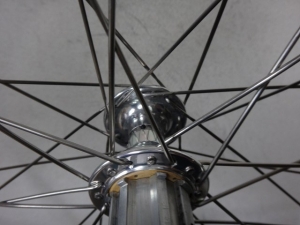
I'll check back with the customer about whether to tie and solder the spokes.
With this rear wheel, the hub's spoke seat is quite tight,
so it's not ideal, but it ended up being a textbook example
of asymmetrical spoke tension on both sides.
The non-freewheel side is under considerable tension.
(Of course, with the wheel centered properly)
So I think tying and soldering may or may not be necessary.
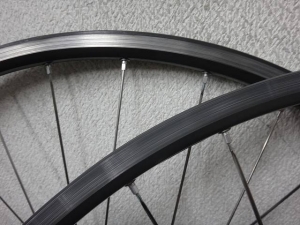
I used the rim with the brake zone that hadn't worn down for the front wheel.
A customer brought in a hand-built wheel for work.
The hub is a Record, and the rim is an Ambrosio Excellences.
This rim, the Excellences—

I'd like to call it a Colnago Special Version, but actually,
this rim itself was specifically made for hand-built wheels that come on Colnago complete bikes.
The sticker sheet for this rim comes with a COLNAGO sticker pre-attached.
Use that sticker and it becomes a Colnago rim,
don't use it and it's just a generic Excellences rim.
Using the hub from this wheel,
the customer wants to rebuild it with an Open Pro CD (hard anodize, as other brands call it) rim
that they brought in as well.

The front wheel before the rebuild
was all Competé Laced reverse JIS pattern.
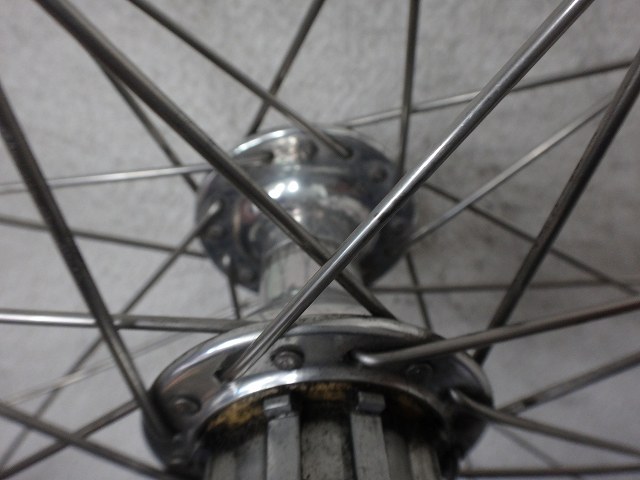
The rear wheel was all Competé Laced reverse Italian pattern.
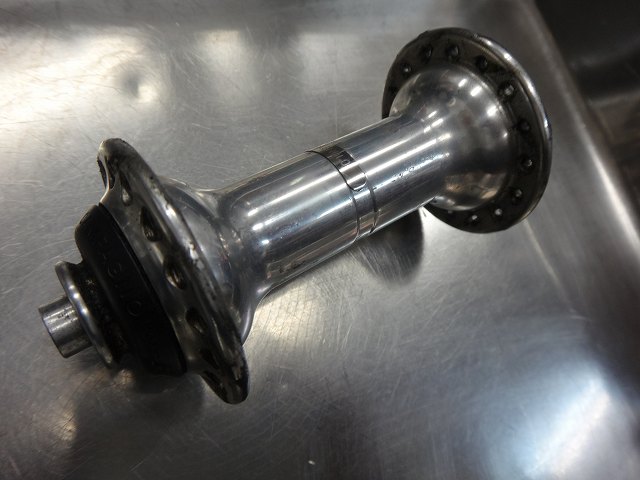
I took it apart.
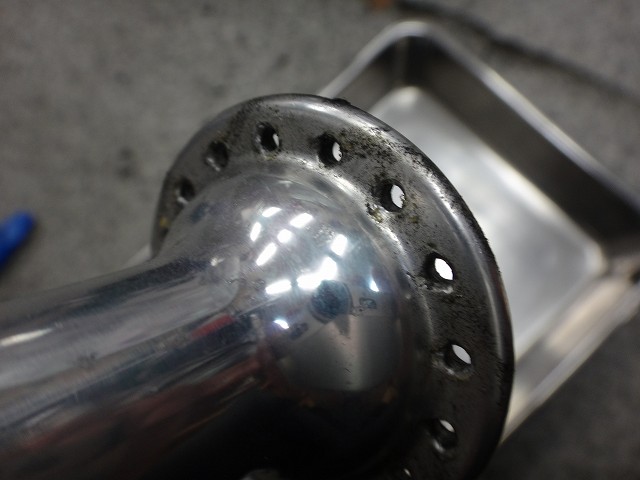
I cleaned the hubs, but also gave them a full overhaul.

The bearings were set up in "USB condition" (loose).
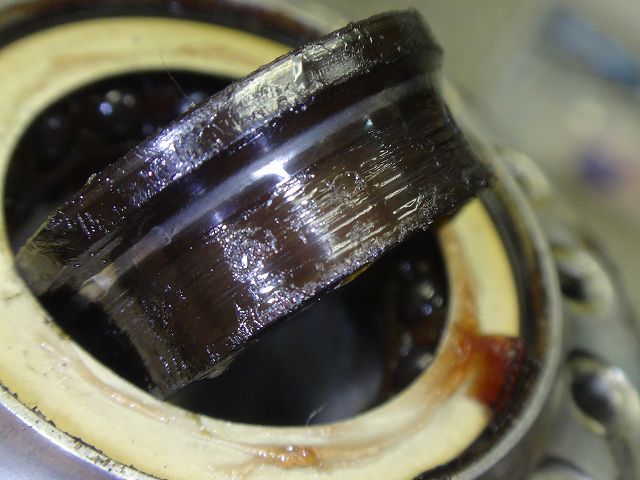
The inner race shows the wear patterns from the ball rolling, but
all four sides—front and rear, left and right—show no spalling.
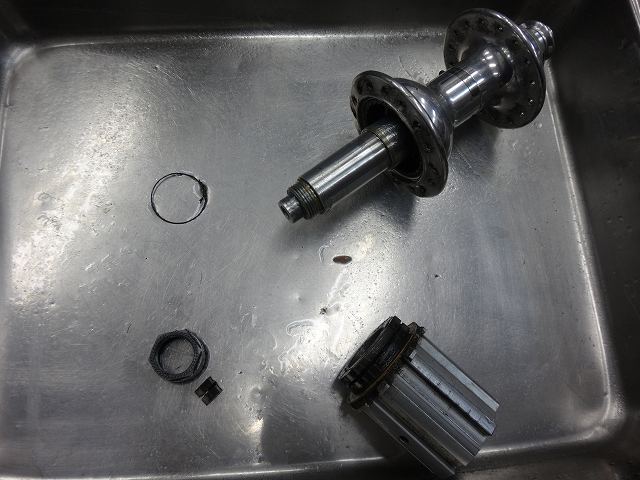
For the rear hub, I first removed the freebody, but
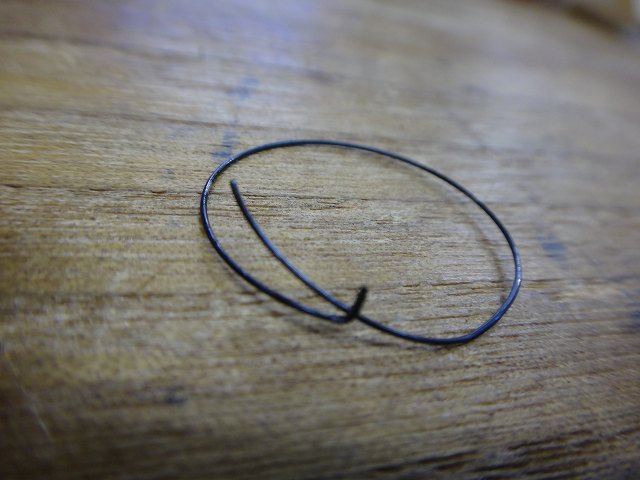
↑the pawl spring was bent, so I replaced that.
That was the only part I needed to replace during the hub overhaul.
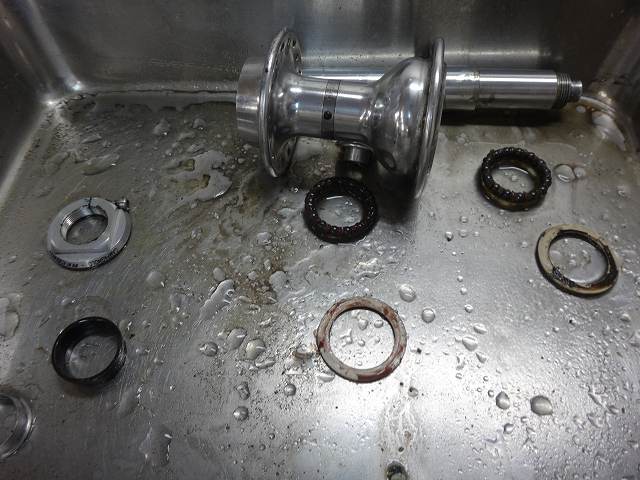
Rear hub disassembled.
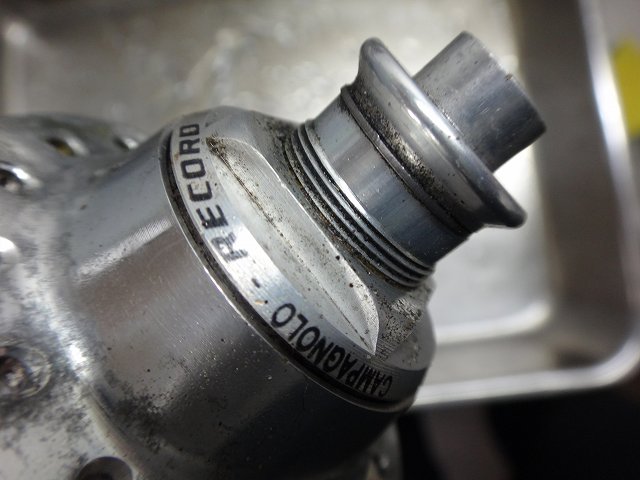
Before
After
Before
After
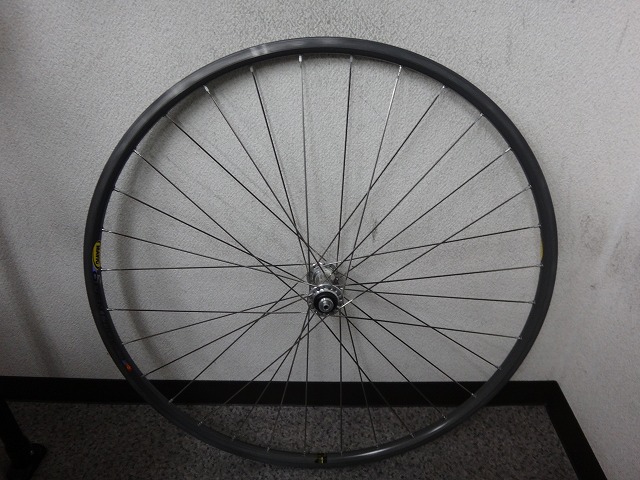
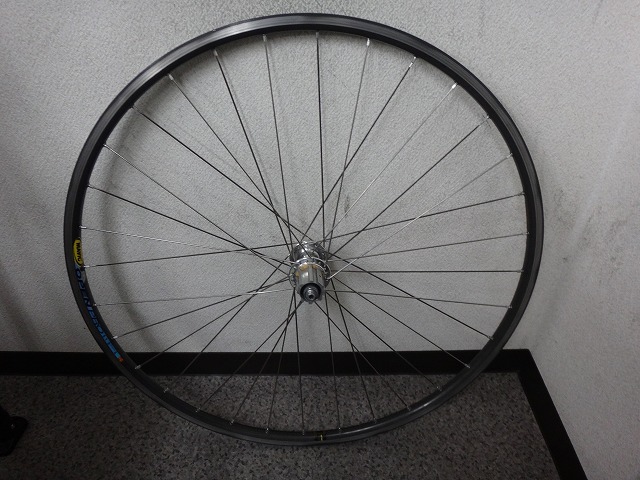
Wheels are built.
The customer specified CX-RAY spokes for the front wheel and semi-Competé for the rear,
but they left the lacing pattern up to me.
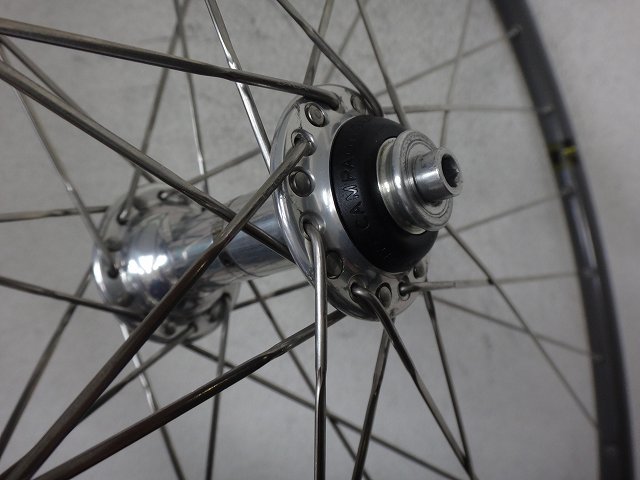
For the front wheel, radial lacing is normally not recommended,
but I'm not opposed to it if a customer requests it.
Since they left it to my judgment this time, I went with laced Italian pattern.
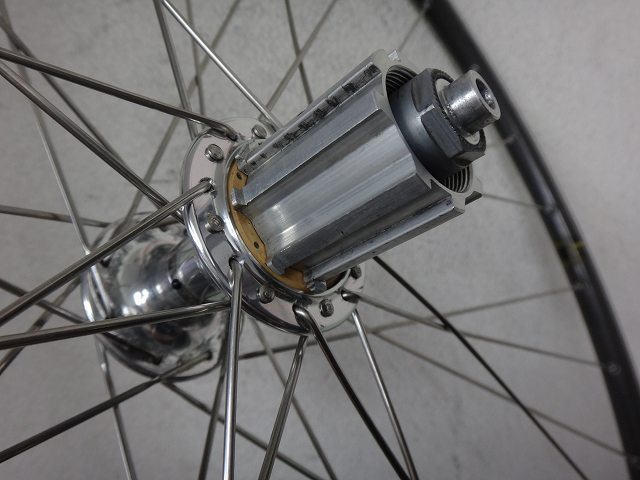
The rear wheel is semi-Competé 4/8 Italian laced.
Both front and rear are 32 spoke, by the way.
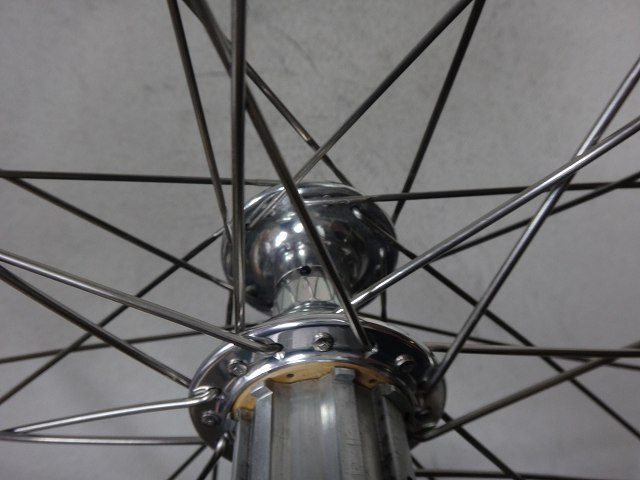
I'll check back with the customer about whether to tie and solder the spokes.
With this rear wheel, the hub's spoke seat is quite tight,
so it's not ideal, but it ended up being a textbook example
of asymmetrical spoke tension on both sides.
The non-freewheel side is under considerable tension.
(Of course, with the wheel centered properly)
So I think tying and soldering may or may not be necessary.
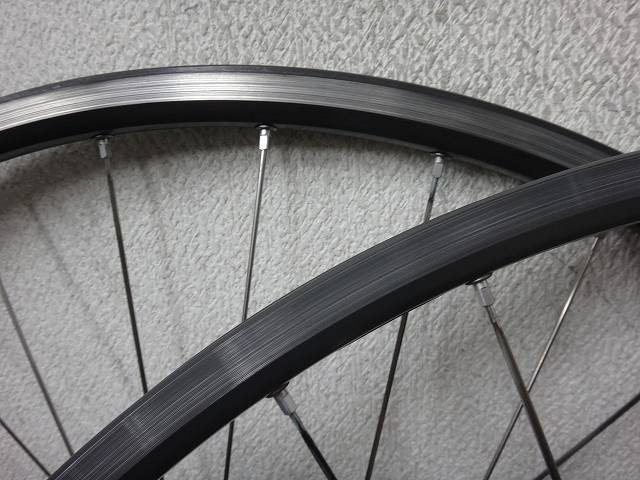
I used the rim with the brake zone that hadn't worn down for the front wheel.