The prolonged shortage of Tni Evolution hubs
has been the reason I haven't been able to build Nomulab wheels for a while.
We're scheduled to receive stock in early June,
and the next shipment will include hubs compatible with Shimano 11-speed.
(Shimano 10-speed versions will also be sold alongside)
There will be a price increase at the same time, so Nomulab wheels will unfortunately have to go up in price too,
but I'll write about that another time.
Today I want to talk about compatibility.
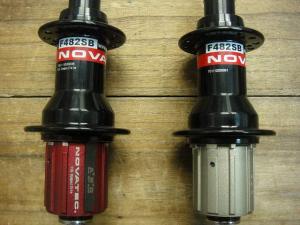
The Tni evo hub is the same as Novatech's "482."
This 482 comes in two versions: the "new 482" that supports Shimano 11-speed
and the "old 482" which is identical to the current Tni evo hub.
To tell them apart: the old 482 has a flange width of 57.3mm,
while the new 482 is 56.8mm.
(Both measurements are from my caliper)
A 0.5mm difference like this doesn't threaten the lateral stiffness of the wheel.
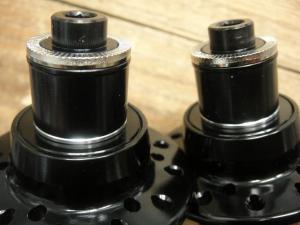
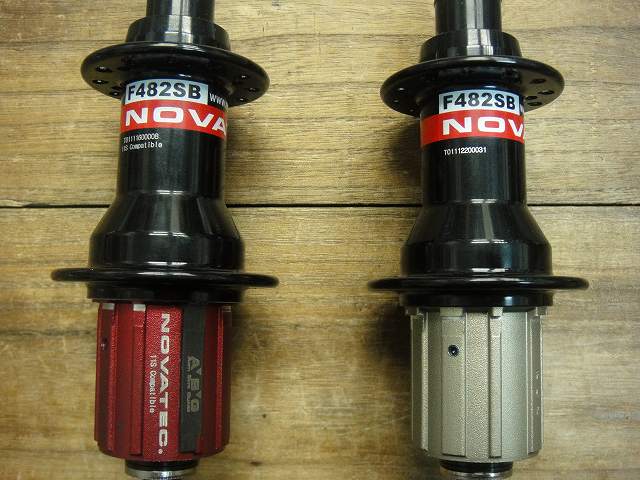
In the image above, the left 482 hub is for Shimano 11-speed, the right is for Shimano 10-speed.
Both of these are new 482s.
How to Tell Them Apart
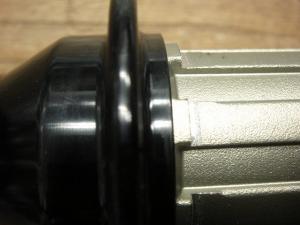
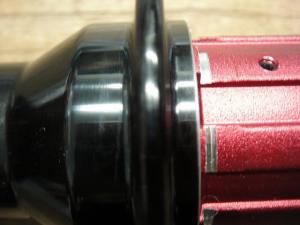
↑These two are new 482s.
Look at the width between the right flange and the freebody.
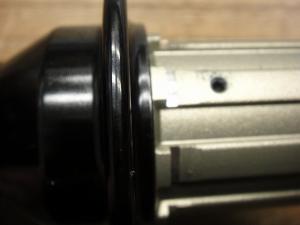
↑This is the current Tni evo, i.e., the old 482.
You can see the width between the right flange and freebody is narrower
than the new 482.
This old 482 is not compatible with Shimano 11-speed.
(That's what the manufacturer says)
Freebody replacement appears to be physically possible.
Both the old 482 and new 482 have the same hub over-locknut dimension of 130.6mm.
Swapping between 10-speed and 11-speed freeodies won't throw off the wheel center(I'll explain why later).
However, if you put an 11-speed freebody on an old 482 and then install 11-speed sprockets,
there's a risk the rear derailleur will interfere with the spokes
when in low gear(especially on the large chainring×low cog combo).
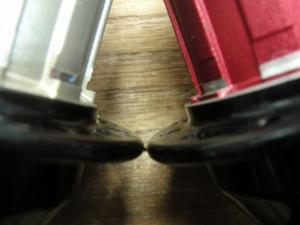
↑This shows the difference between new and old 482s.
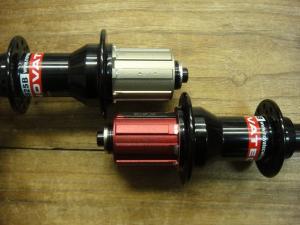
New 482s(both 10-speed and 11-speed)
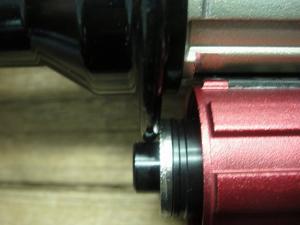
I lined up the right flange and the right hub end.
They fit perfectly flush.
The 11-speed freebody is naturally longer than the 10-speed one, but
since the hubs have the same flange width and the same right-side end dimension,
swapping the freebody between them won't shift the wheel center.

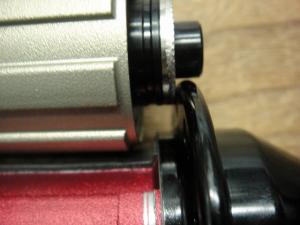
Next I did the same comparison between new and old 482s.
There's a gap on the right side equal to the width difference.
Yet both hubs have the same over-locknut dimension
(130.6mm).
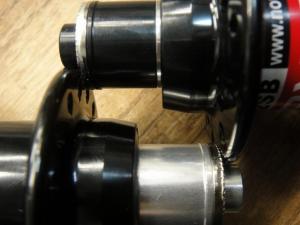
The dimension from the left flange to the left end is the same on both old and new.
Since the over-locknut dimension is also identical,
there's no change in over-locknut measurement when swapping freeodies.
That means the wheel center won't shift either.
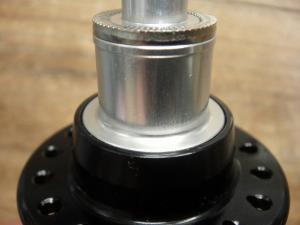
One thing to note.
The old 482's left end cap is a single integrated part, but
the new 482 has a washer installed.
Further inside the washer is a spacer, but it's not just a flat round plate—
it has a convex shape so it doesn't squeeze the bearing.
I had a case recently where this was installed backward,
resulting in abnormally heavy hub rotation(I'll describe it later).
The customer hasn't disassembled it, so it must have been assembled wrong at the factory.
When it's wrong, tightening the 5mm Allen key holes on both ends of the hub
will make the wheel almost completely stop spinning, so
if you have one of these hubs, you might want to check it.
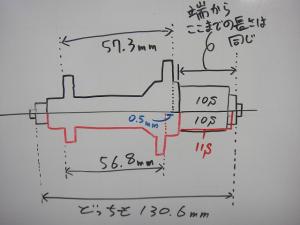
↑Here's a diagram. The difference between old and new in a nutshell is
whether the right flange is positioned 0.5mm inward.
In the diagram above, that 0.5mm is drawn quite exaggerated.
It's possible to fit an 11-speed freebody and 11-speed sprockets on an old 482, but
there's a risk of the rear derailleur interfering when shifted to low gear.
Whether this happens depends on the cog size(tooth count)and rear derailleur model,
but with OEM spec(new 482 with 11-speed)there's almost no problem with any combo, whereas
with non-OEM spec(old 482 with 11-speed)interference might occur.
In manufacturer terminology, this is expressed as "not compatible."
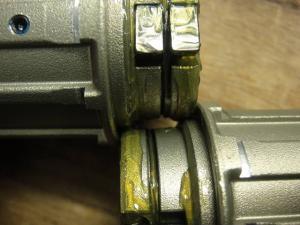
I compared the 10-speed freeodies from new and old 482s side by side.
They're identical.
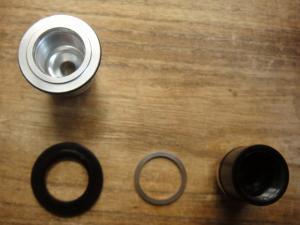
By the way, about the spacer-installed-backward case I mentioned earlier.
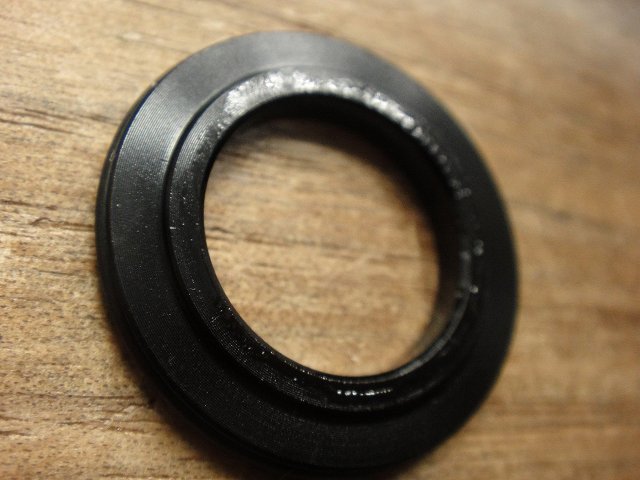
These are the left end cap parts of new and old 482 hubs.
The old version has 1 piece while the new one has 3.

The old version has this step so bearing rotation isn't restricted,

and the new one is the same way.
If you install this part backward, the other side is a flat plate with no convex,
which will restrict bearing rotation.
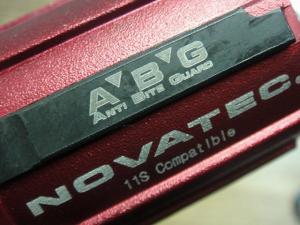
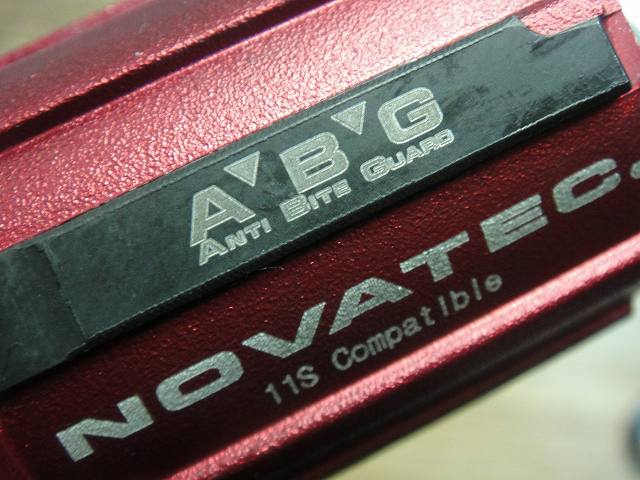
Also, the freebody being red doesn't mean it's 11-speed.
It's red because it has an iron part adhered to it called an
"anti-bite guard" to prevent sprocket bite-in.
Whether the new 482-spec Tni evo hub in the next shipment will use this freebody
is unclear. I suspect not, since this spec is pretty pricey.
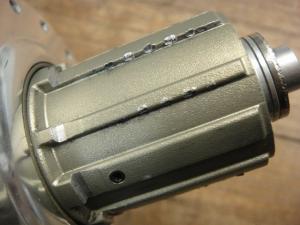
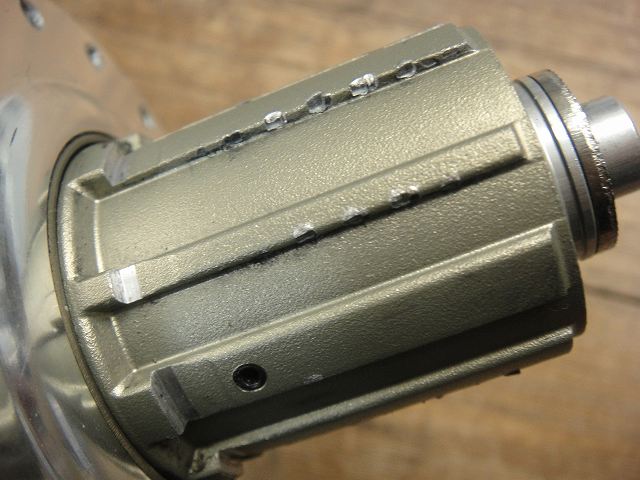
↑This is what bite-in looks like.
This is a PowerTap freebody.
PowerTap's freebody is Novatech-made.
But while Novatech hub end caps are Allen key screw-in style,
PowerTap is push-fit style, so
the right end cap parts are completely different,
meaning there's no freebody compatibility.
(Also, the depth of the sprag section is different)
Since I'm the one saying this after having my misguided idea of "maybe I can use a Tni freebody on a PowerTap" completely shattered, there's no mistake about it(laugh).
has been the reason I haven't been able to build Nomulab wheels for a while.
We're scheduled to receive stock in early June,
and the next shipment will include hubs compatible with Shimano 11-speed.
(Shimano 10-speed versions will also be sold alongside)
There will be a price increase at the same time, so Nomulab wheels will unfortunately have to go up in price too,
but I'll write about that another time.
Today I want to talk about compatibility.
The Tni evo hub is the same as Novatech's "482."
This 482 comes in two versions: the "new 482" that supports Shimano 11-speed
and the "old 482" which is identical to the current Tni evo hub.
To tell them apart: the old 482 has a flange width of 57.3mm,
while the new 482 is 56.8mm.
(Both measurements are from my caliper)
A 0.5mm difference like this doesn't threaten the lateral stiffness of the wheel.
In the image above, the left 482 hub is for Shimano 11-speed, the right is for Shimano 10-speed.
Both of these are new 482s.
How to Tell Them Apart
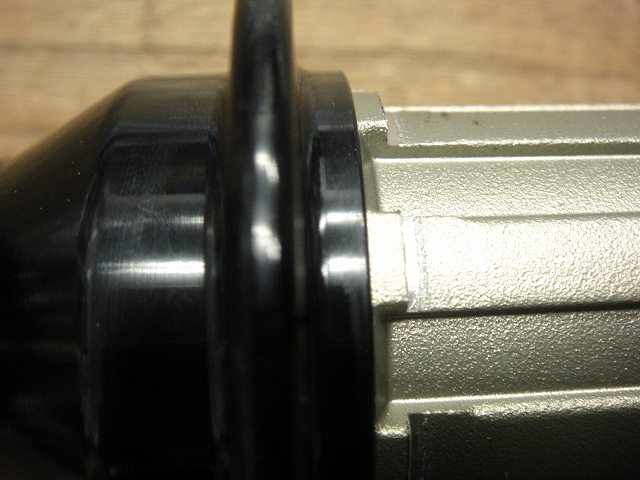
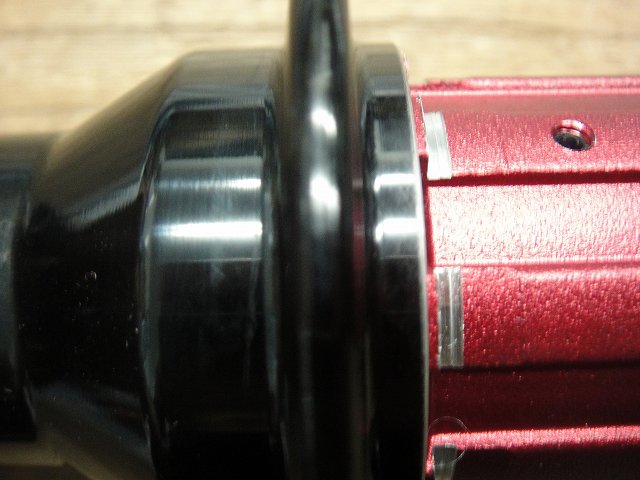
↑These two are new 482s.
Look at the width between the right flange and the freebody.
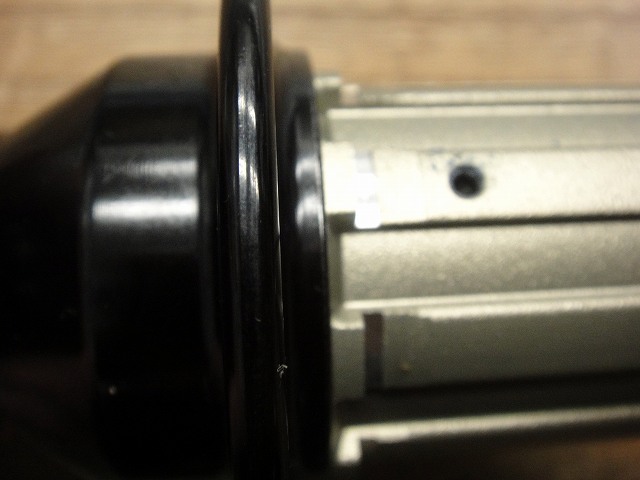
↑This is the current Tni evo, i.e., the old 482.
You can see the width between the right flange and freebody is narrower
than the new 482.
This old 482 is not compatible with Shimano 11-speed.
(That's what the manufacturer says)
Freebody replacement appears to be physically possible.
Both the old 482 and new 482 have the same hub over-locknut dimension of 130.6mm.
Swapping between 10-speed and 11-speed freeodies won't throw off the wheel center(I'll explain why later).
However, if you put an 11-speed freebody on an old 482 and then install 11-speed sprockets,
there's a risk the rear derailleur will interfere with the spokes
when in low gear(especially on the large chainring×low cog combo).
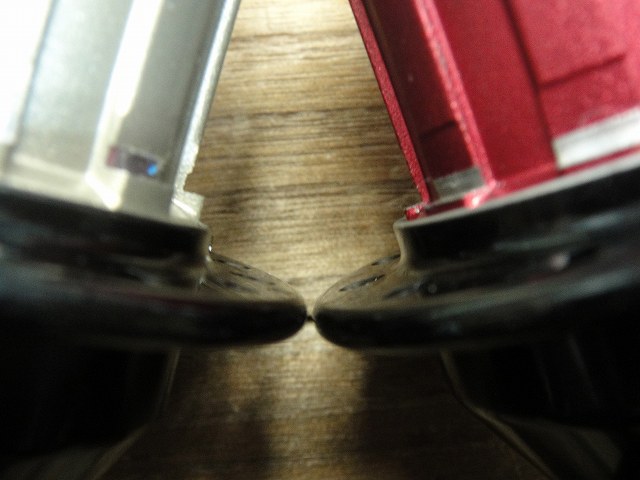
↑This shows the difference between new and old 482s.

New 482s(both 10-speed and 11-speed)

I lined up the right flange and the right hub end.
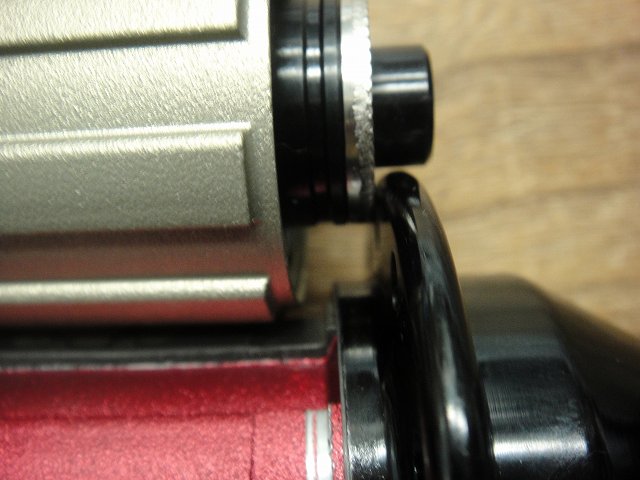
They fit perfectly flush.
The 11-speed freebody is naturally longer than the 10-speed one, but
since the hubs have the same flange width and the same right-side end dimension,
swapping the freebody between them won't shift the wheel center.
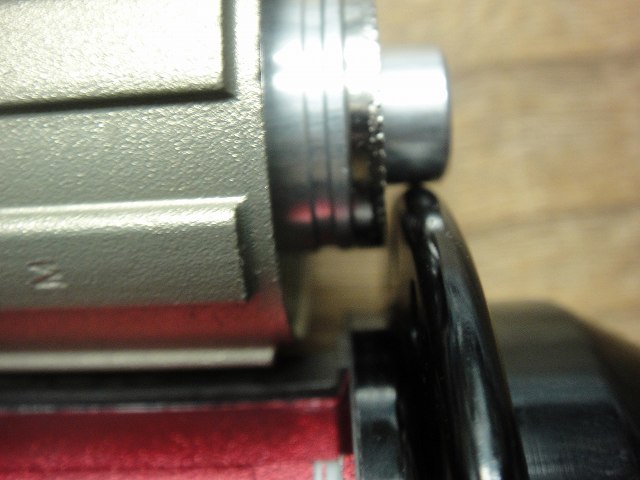
Next I did the same comparison between new and old 482s.
There's a gap on the right side equal to the width difference.
Yet both hubs have the same over-locknut dimension
(130.6mm).
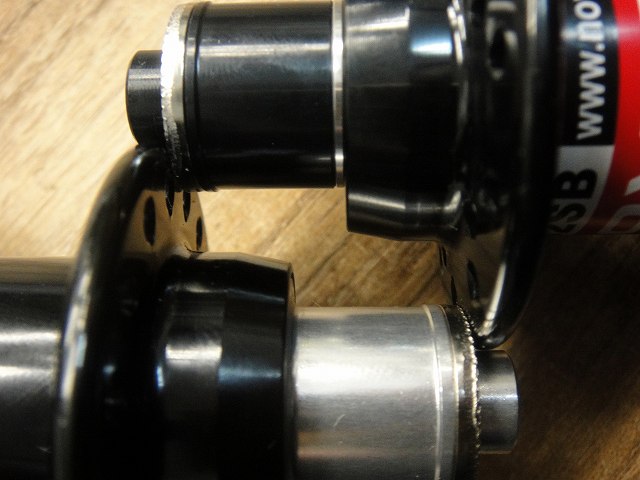
The dimension from the left flange to the left end is the same on both old and new.
Since the over-locknut dimension is also identical,
there's no change in over-locknut measurement when swapping freeodies.
That means the wheel center won't shift either.
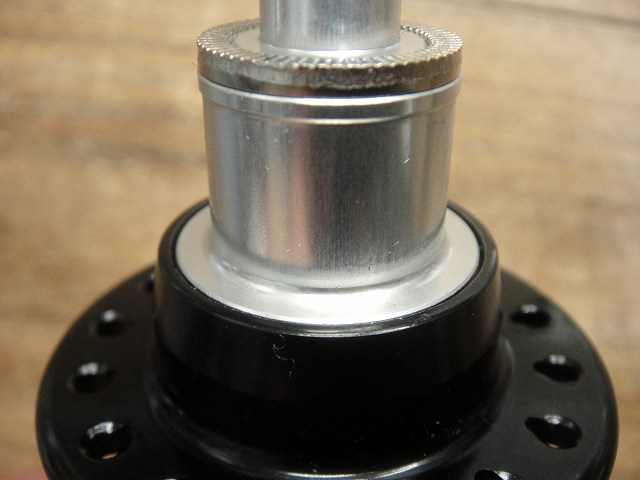
One thing to note.
The old 482's left end cap is a single integrated part, but
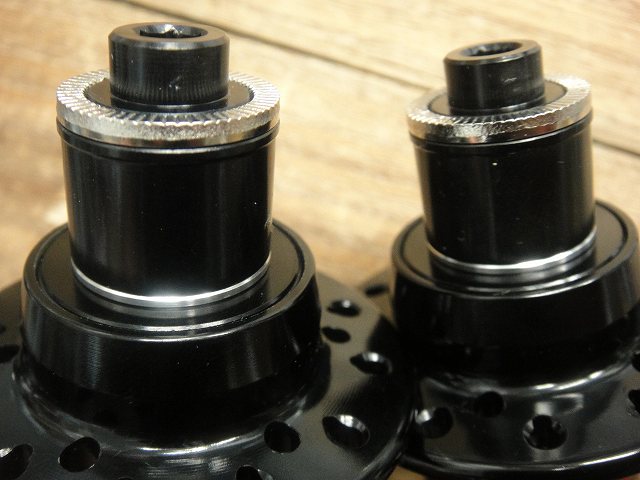
the new 482 has a washer installed.
Further inside the washer is a spacer, but it's not just a flat round plate—
it has a convex shape so it doesn't squeeze the bearing.
I had a case recently where this was installed backward,
resulting in abnormally heavy hub rotation(I'll describe it later).
The customer hasn't disassembled it, so it must have been assembled wrong at the factory.
When it's wrong, tightening the 5mm Allen key holes on both ends of the hub
will make the wheel almost completely stop spinning, so
if you have one of these hubs, you might want to check it.

↑Here's a diagram. The difference between old and new in a nutshell is
whether the right flange is positioned 0.5mm inward.
In the diagram above, that 0.5mm is drawn quite exaggerated.
It's possible to fit an 11-speed freebody and 11-speed sprockets on an old 482, but
there's a risk of the rear derailleur interfering when shifted to low gear.
Whether this happens depends on the cog size(tooth count)and rear derailleur model,
but with OEM spec(new 482 with 11-speed)there's almost no problem with any combo, whereas
with non-OEM spec(old 482 with 11-speed)interference might occur.
In manufacturer terminology, this is expressed as "not compatible."
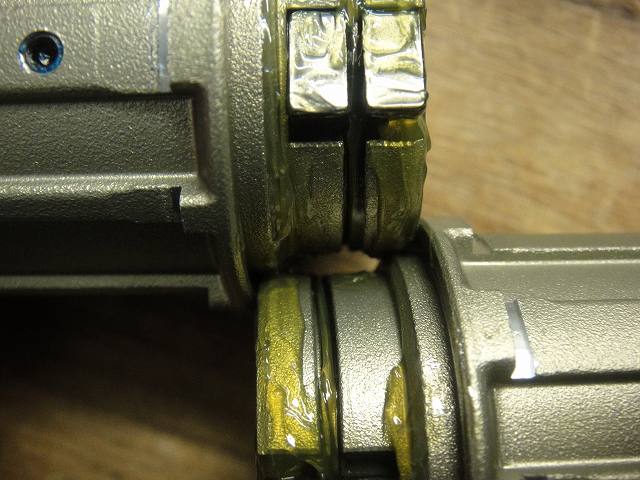
I compared the 10-speed freeodies from new and old 482s side by side.
They're identical.

By the way, about the spacer-installed-backward case I mentioned earlier.
These are the left end cap parts of new and old 482 hubs.
The old version has 1 piece while the new one has 3.
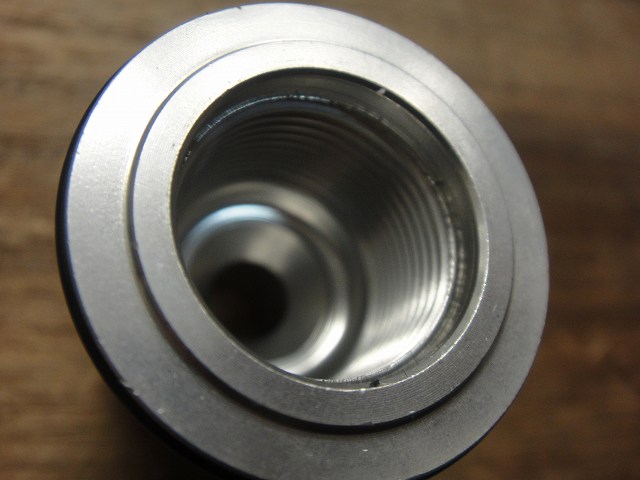
The old version has this step so bearing rotation isn't restricted,
and the new one is the same way.
If you install this part backward, the other side is a flat plate with no convex,
which will restrict bearing rotation.
Also, the freebody being red doesn't mean it's 11-speed.
It's red because it has an iron part adhered to it called an
"anti-bite guard" to prevent sprocket bite-in.
Whether the new 482-spec Tni evo hub in the next shipment will use this freebody
is unclear. I suspect not, since this spec is pretty pricey.
↑This is what bite-in looks like.
This is a PowerTap freebody.
PowerTap's freebody is Novatech-made.
But while Novatech hub end caps are Allen key screw-in style,
PowerTap is push-fit style, so
the right end cap parts are completely different,
meaning there's no freebody compatibility.
(Also, the depth of the sprag section is different)
Since I'm the one saying this after having my misguided idea of "maybe I can use a Tni freebody on a PowerTap" completely shattered, there's no mistake about it(laugh).