From Dexshell, the brand somewhat famous for waterproof socks
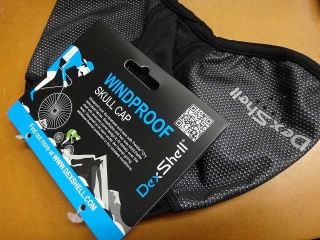
they've released a windproof fabric skull cap product.
I already owned one, but I picked up another one for this article.
As I'll mention later, I needed a brand new one for testing purposes too.
A skull cap traditionally doesn't have ear coverage,
but this one has a design that doubles as an ear warmer.
It's from the waterproof sock manufacturer, but this one isn't waterproof.
Japanese distributors list it as waterproof and windproof,
but unlike their socks, it doesn't have the feature where your head stays completely dry
even if fully submerged while wearing it.
Though it probably won't let through light rain.
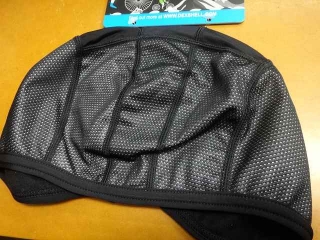
It's made from windproof fabric (kind of like Gore-Tex windproof fabric).
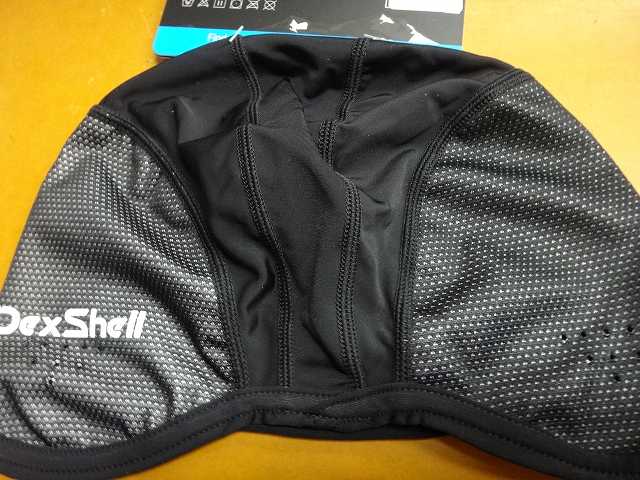
This image is the front side,

and the back side has stretchy material in the center
that fits snugly to your head.
The reason I pulled this out after years of not using it
is because Pearl Izumi's ear warmer (→here)
got worse (※that's just my opinion),
so I needed an under-helmet cap with ear coverage.
The linked article also mentions this Dexshell product
and says "can't find it," but I found one.
When you cover your ears with your palm you hear a roaring sound,
but apparently that's the sound of your arm muscles contracting.
Mosquito wings are extremely small,
yet you can still hear a buzzing sound when they pass near your ear.
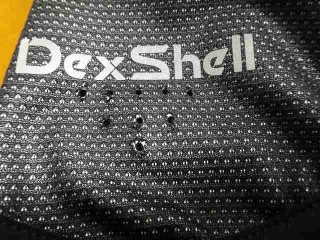
Well, the ear portions of the Dexshell skull cap have
holes in them, as shown in the image,
presumably for allowing outside sounds to be heard more easily.
Because of these holes, there's a tremendous wind whistling noise while riding.
It's exactly like the sound of the wind howling outside during a typhoon
when you're indoors with rain and gales battering the windows.
Even at speeds under 20 km/h it roars and rumbles,
making outside sounds very hard to hear.
So having holes in the ear part actually makes it harder to hear—
that's the irony here.
I tried covering the ear portion with my hand
and the roaring wind noise disappeared, so I thought
if I could just cover the ear part
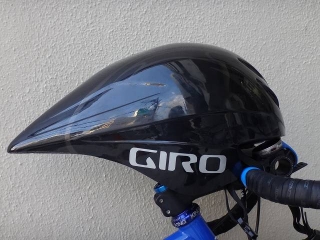
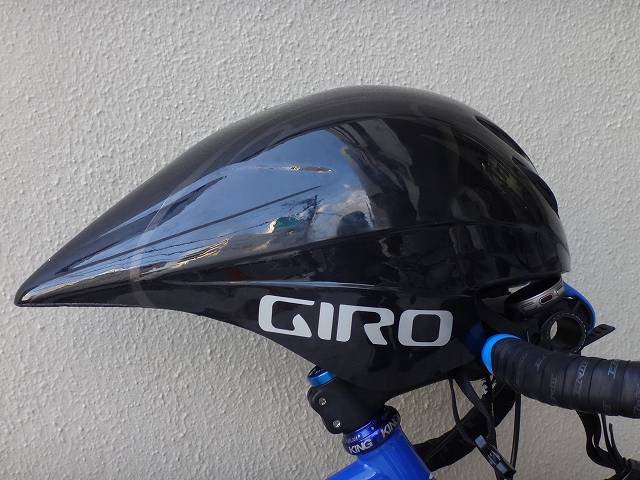
I tried putting on a TT helmet with ear coverage
(I'm not joking—this was serious)
but the noise didn't reduce much at all.
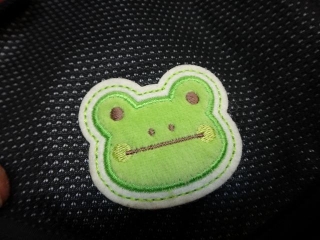
So!

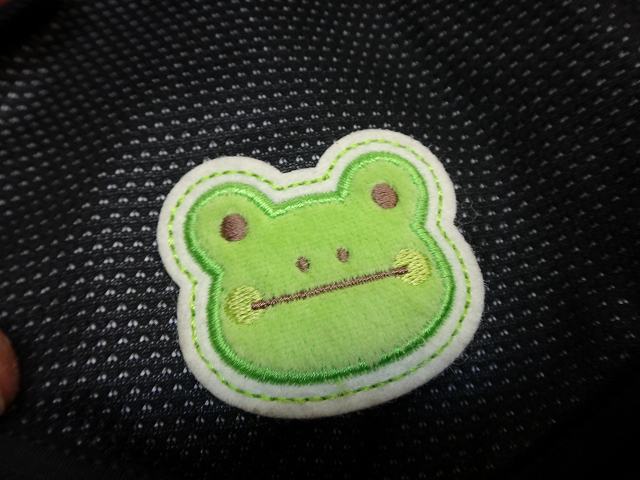
I sealed the holes with heat-adhesive patches that you can apply with an iron.
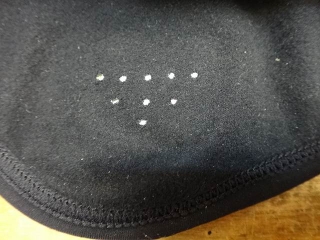
↑ The holes seen from inside (now sealed)
With this, the wind whistling didn't completely disappear
but it was reduced to a level I could ignore.
It's like the reverse of the cocktail party effect—
if I consciously think about the noise, that's when I hear it.
And actually, outside sounds became easier to hear.
Even in this state, the noise disappears if I cover my ears with my hand.
So apparently what I'm hearing is either
the sound of air vortexes between the cap and ear
or the sound of the cap rubbing against my earlobe.
When I tested further by inserting thick felt on the inside, the wind noise disappeared completely.
The fit wasn't great, so I didn't sew or glue it on.

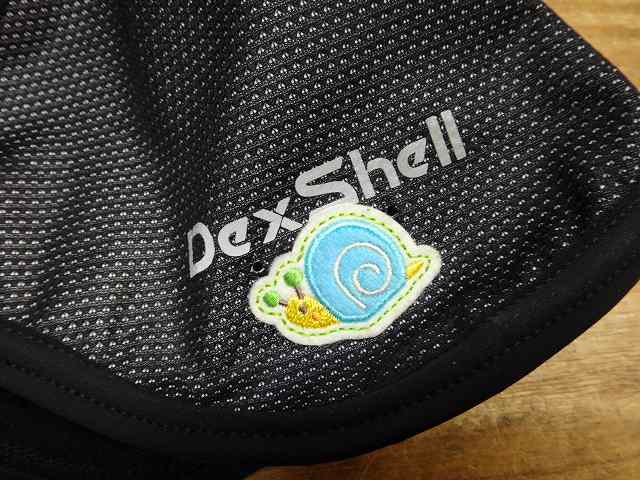
On the frog side I've completely sealed the holes,
but on the snail side there are actually 2 remaining.
In fact, if I listen carefully, the snail side has
a slightly louder air swirling sound than the frog side,
but the noise reduction is nearly identical, so it doesn't bother me.
Since the sound didn't completely disappear,
I initially thought it wasn't making much difference,
but I bought a separate brand new one for comparison testing (tried it on with the tags still on)
and confirmed that the brand new off-the-rack version really does sound
like a howling windstorm—
totally different.
As for this Dexshell skull cap,
aside from the noise issue, as an under-helmet cap
the fit is absolutely excellent.
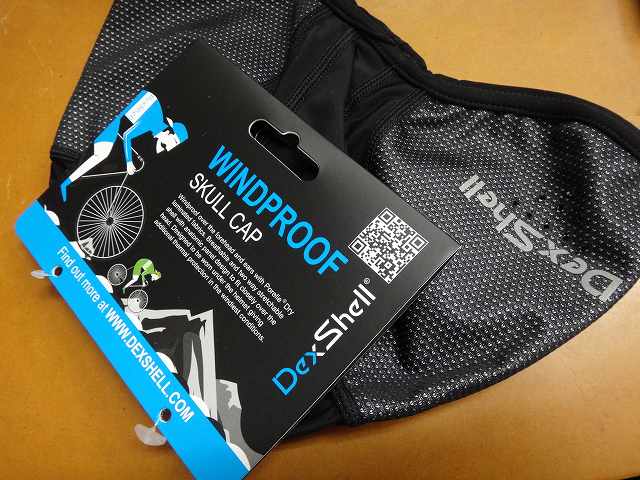
they've released a windproof fabric skull cap product.
I already owned one, but I picked up another one for this article.
As I'll mention later, I needed a brand new one for testing purposes too.
A skull cap traditionally doesn't have ear coverage,
but this one has a design that doubles as an ear warmer.
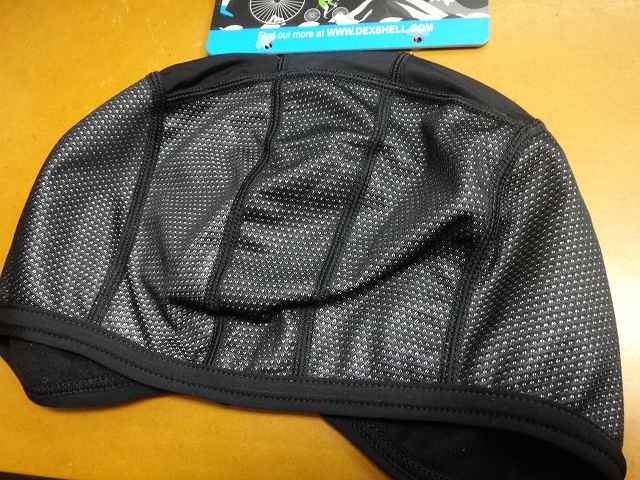
It's from the waterproof sock manufacturer, but this one isn't waterproof.
Japanese distributors list it as waterproof and windproof,
but unlike their socks, it doesn't have the feature where your head stays completely dry
even if fully submerged while wearing it.
Though it probably won't let through light rain.
It's made from windproof fabric (kind of like Gore-Tex windproof fabric).
This image is the front side,
and the back side has stretchy material in the center
that fits snugly to your head.
The reason I pulled this out after years of not using it
is because Pearl Izumi's ear warmer (→here)
got worse (※that's just my opinion),
so I needed an under-helmet cap with ear coverage.
The linked article also mentions this Dexshell product
and says "can't find it," but I found one.

When you cover your ears with your palm you hear a roaring sound,
but apparently that's the sound of your arm muscles contracting.
Mosquito wings are extremely small,
yet you can still hear a buzzing sound when they pass near your ear.
Well, the ear portions of the Dexshell skull cap have
holes in them, as shown in the image,
presumably for allowing outside sounds to be heard more easily.
Because of these holes, there's a tremendous wind whistling noise while riding.
It's exactly like the sound of the wind howling outside during a typhoon
when you're indoors with rain and gales battering the windows.
Even at speeds under 20 km/h it roars and rumbles,
making outside sounds very hard to hear.
So having holes in the ear part actually makes it harder to hear—
that's the irony here.
I tried covering the ear portion with my hand
and the roaring wind noise disappeared, so I thought
if I could just cover the ear part
I tried putting on a TT helmet with ear coverage
(I'm not joking—this was serious)
but the noise didn't reduce much at all.
So!

I sealed the holes with heat-adhesive patches that you can apply with an iron.

↑ The holes seen from inside (now sealed)
With this, the wind whistling didn't completely disappear
but it was reduced to a level I could ignore.
It's like the reverse of the cocktail party effect—
if I consciously think about the noise, that's when I hear it.
And actually, outside sounds became easier to hear.
Even in this state, the noise disappears if I cover my ears with my hand.
So apparently what I'm hearing is either
the sound of air vortexes between the cap and ear
or the sound of the cap rubbing against my earlobe.
When I tested further by inserting thick felt on the inside, the wind noise disappeared completely.
The fit wasn't great, so I didn't sew or glue it on.
On the frog side I've completely sealed the holes,
but on the snail side there are actually 2 remaining.
In fact, if I listen carefully, the snail side has
a slightly louder air swirling sound than the frog side,
but the noise reduction is nearly identical, so it doesn't bother me.
Since the sound didn't completely disappear,
I initially thought it wasn't making much difference,
but I bought a separate brand new one for comparison testing (tried it on with the tags still on)
and confirmed that the brand new off-the-rack version really does sound
like a howling windstorm—
totally different.
As for this Dexshell skull cap,
aside from the noise issue, as an under-helmet cap
the fit is absolutely excellent.