This is useful, so I'm making a note of it here.
This isn't something I usually post here,
but having it up makes things convenient for me too.
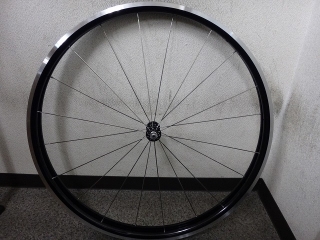
About the wheel from the previous article,
I divided the rim's relocation between the left and right flanges of the hub.
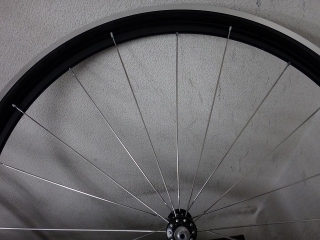
↑Like this
From here, if I rotate the rim in front clockwise
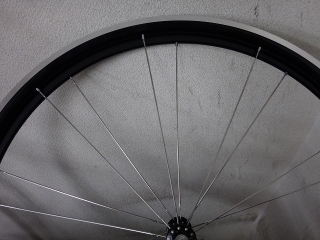
It looks like this.
It becomes a phase closer to pair-spoking.
Rotating it further
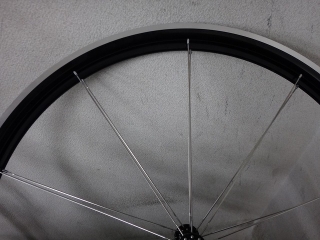
I've made it fully pair-spoked.
The spokes remain at zero-cross,
but since the path doesn't lie on a radial line,
it's not a radial build in the strict sense.
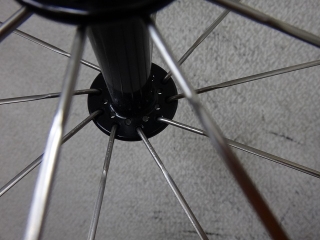
The flange on the far side from my perspective
shows observable phase twist,
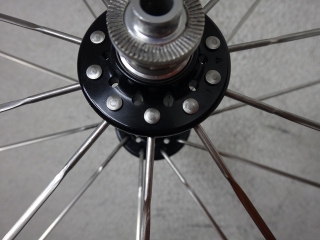
but the near flange doesn't show much,
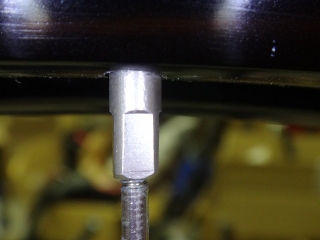

↑AL22 rim side
Though the nipples are sufficiently loosened,
only about 2 threads are visible from the 12mm length nipple
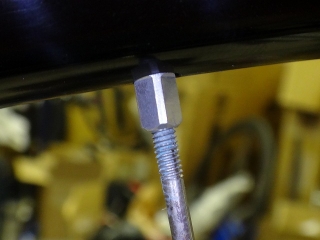
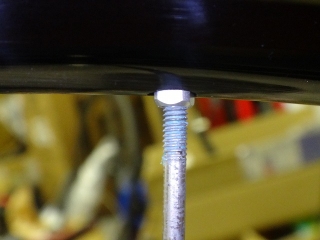
↑AL22W rim side
I've only turned the threads lightly by 2-3 turns,
because the effective spoke length differs between left and right sides.
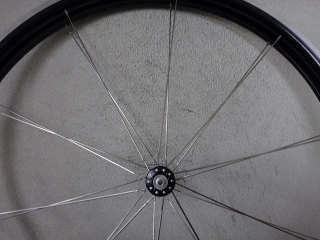
I've rotated the rim as far as it will go
without twisting any further.
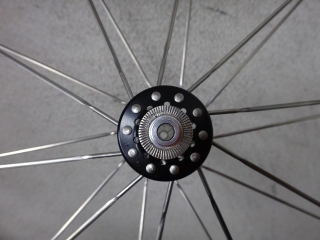
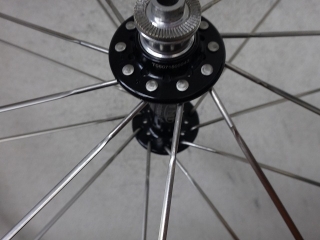
You can observe the phase twist at both flanges.
While not as extreme as this,
when building a wheel with a 36H hub and 18H rim,
this same phase twist occurs.
It's the same with a pair-spoke phase rim (hole pattern)
combined with a standard hub with evenly-spaced rim holes.
This isn't something I usually post here,
but having it up makes things convenient for me too.
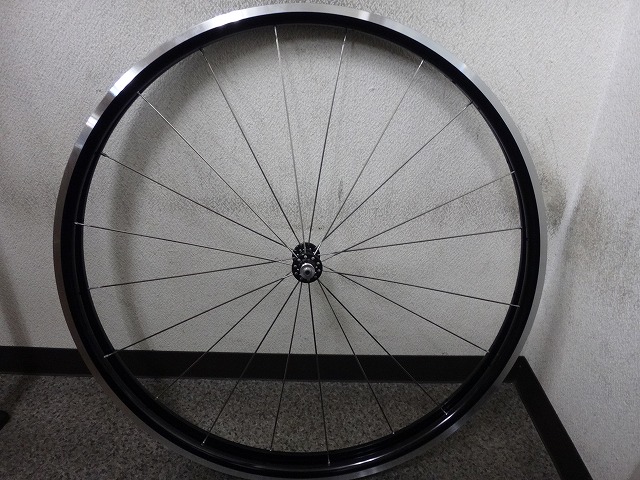
About the wheel from the previous article,
I divided the rim's relocation between the left and right flanges of the hub.
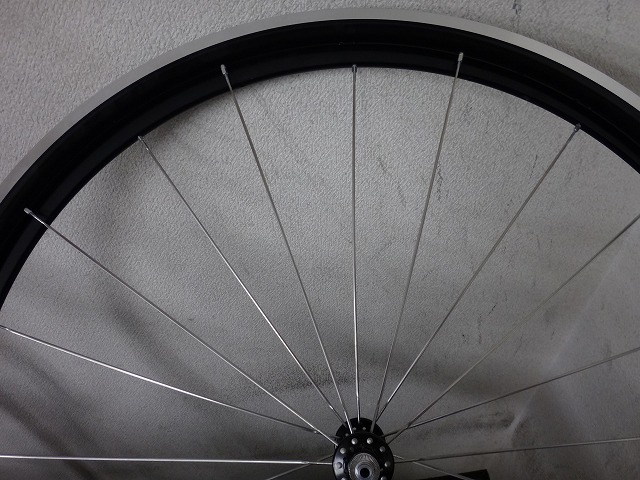
↑Like this
From here, if I rotate the rim in front clockwise
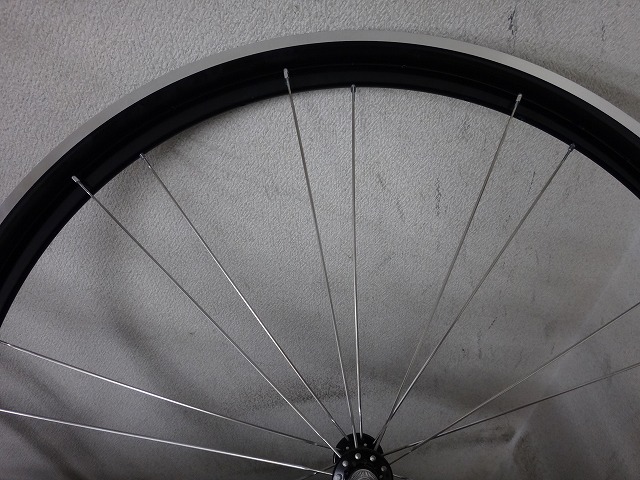
It looks like this.
It becomes a phase closer to pair-spoking.
Rotating it further
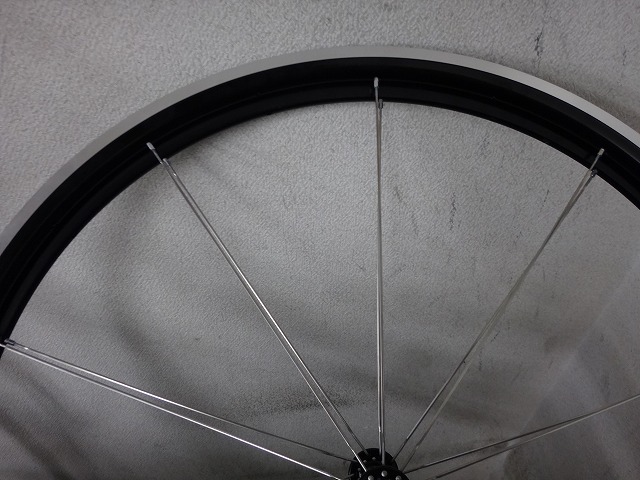
I've made it fully pair-spoked.
The spokes remain at zero-cross,
but since the path doesn't lie on a radial line,
it's not a radial build in the strict sense.
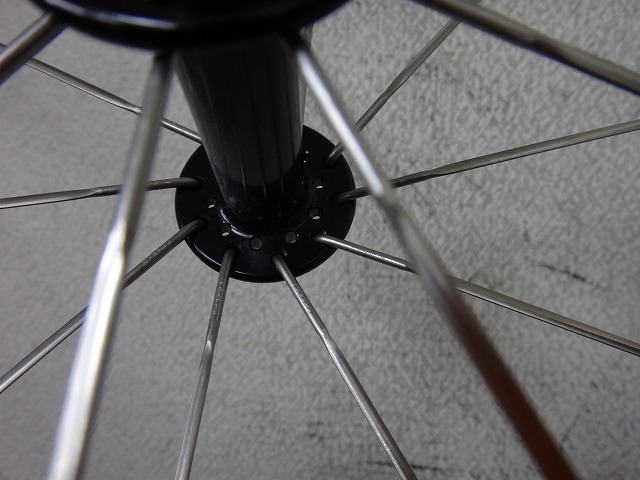
The flange on the far side from my perspective
shows observable phase twist,
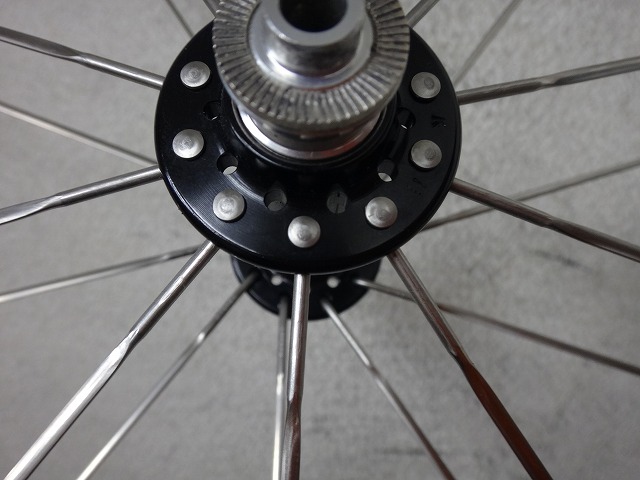
but the near flange doesn't show much,
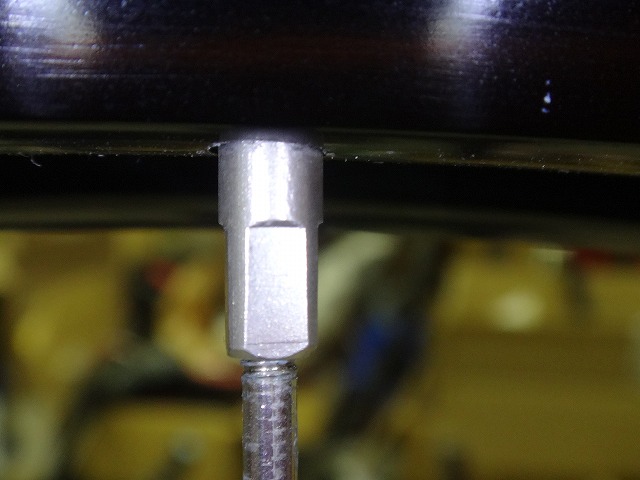

↑AL22 rim side
Though the nipples are sufficiently loosened,
only about 2 threads are visible from the 12mm length nipple
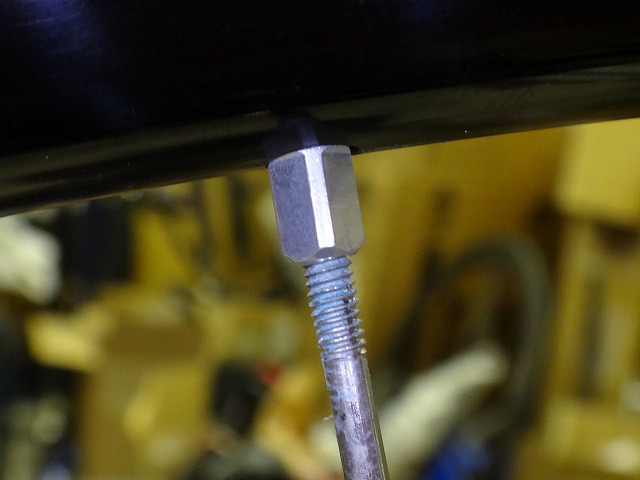
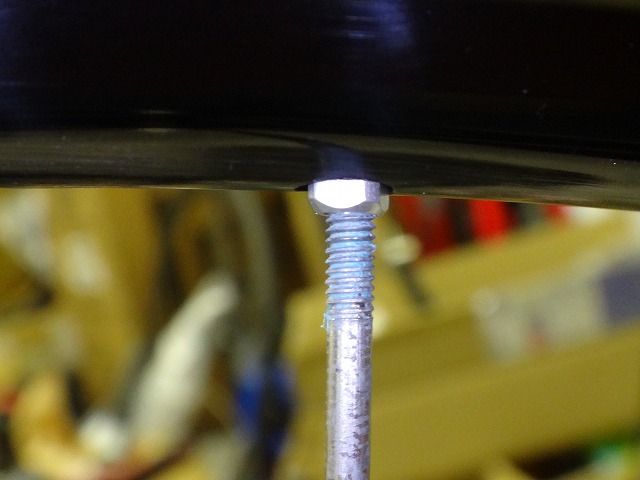
↑AL22W rim side
I've only turned the threads lightly by 2-3 turns,
because the effective spoke length differs between left and right sides.
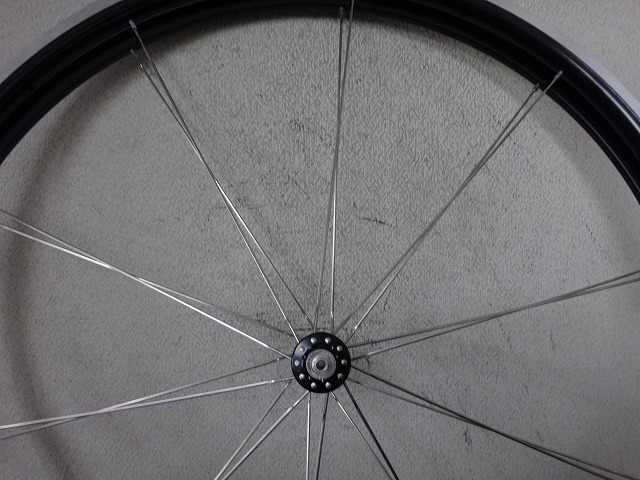
I've rotated the rim as far as it will go
without twisting any further.
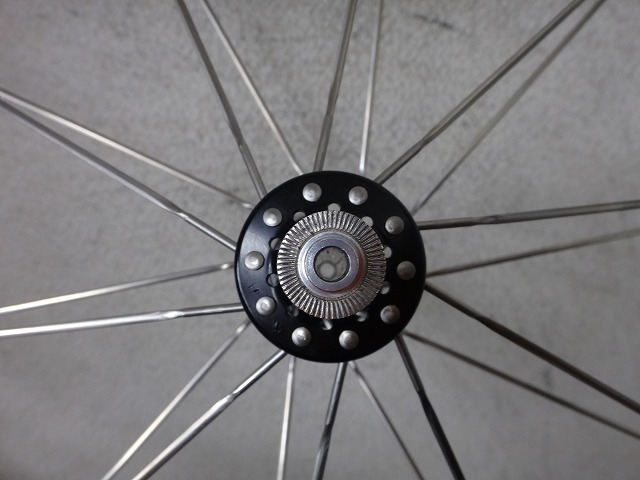
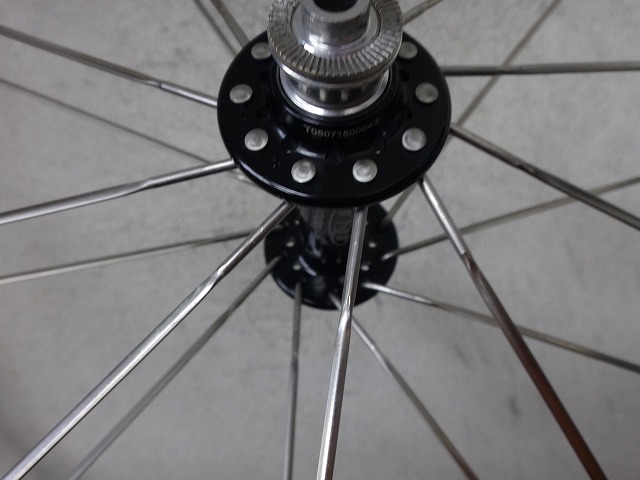
You can observe the phase twist at both flanges.
While not as extreme as this,
when building a wheel with a 36H hub and 18H rim,
this same phase twist occurs.
It's the same with a pair-spoke phase rim (hole pattern)
combined with a standard hub with evenly-spaced rim holes.