Another wheel day (etc.).
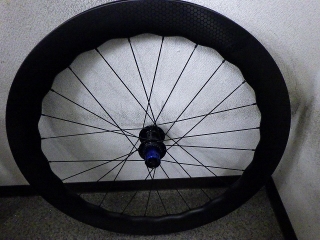
Continuing from yesterday.
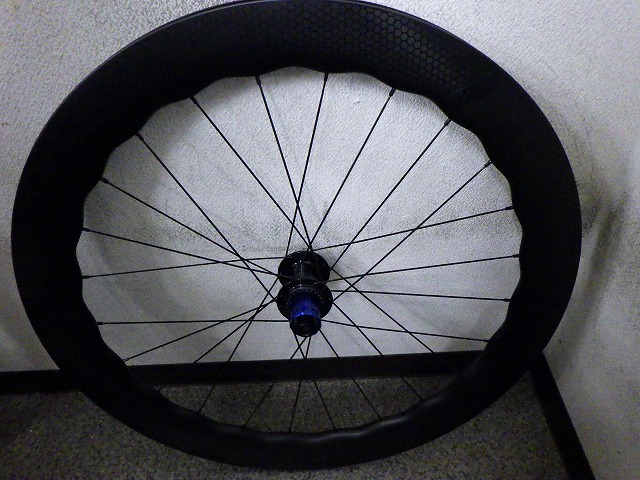
I'm replacing the hub on the rear wheel of the Princeton Wake 6560.

The original hub was a Chune hub like the front wheel,
24H all-black CX-RAY 4-cross laced.
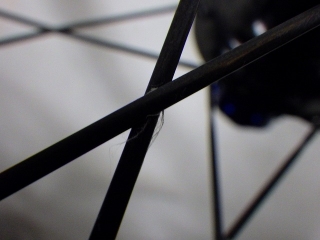
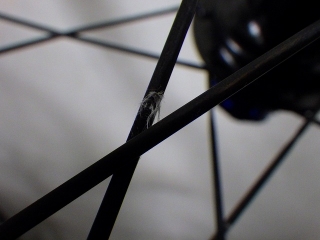
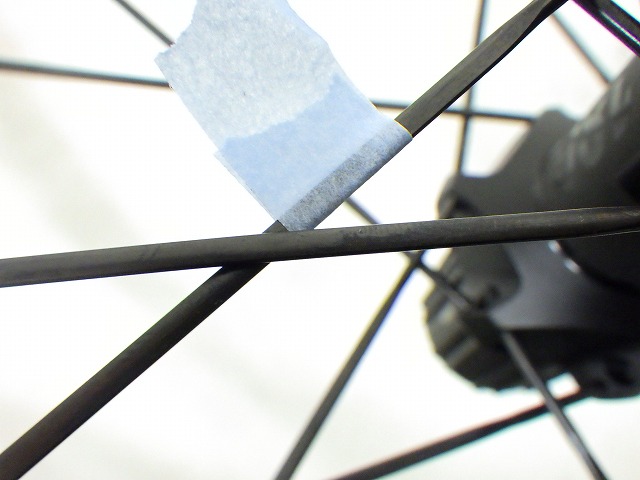
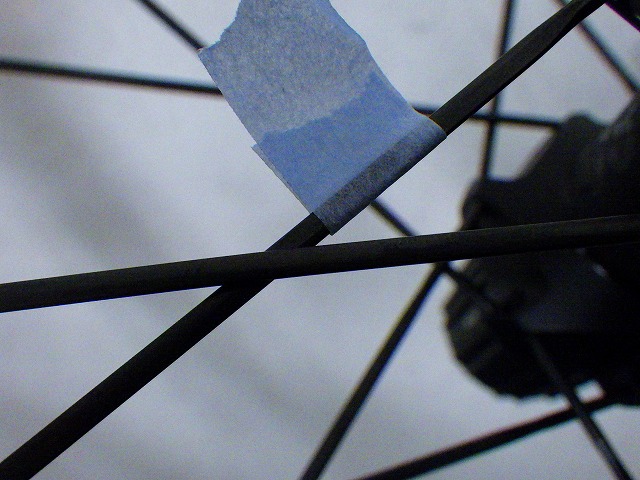
On both the non-drive and drive sides of the rear wheel,
some kind of fiber material was wedged in at the final crossing and oiled.
I'm guessing it was meant to prevent or reduce spoke noise.
From what I felt when I squeezed the final crossing,
it didn't creak particularly loudly,
but it was definitely loose.
Though I say that, this is something I tensioned in the past as well,
and under the condition of same-gauge same-number lacing on both sides, it's nearly the highest tension I can achieve.

Hub relocation in progress...
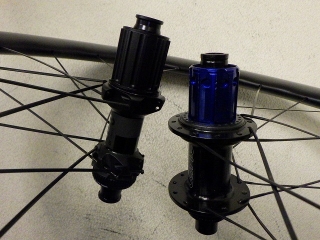
There's no real need to use such a silly method,
but I prioritized how it would look in the article.
Since I've already learned what I wanted to know about the rim's dimensions and weight,
I can afford to do things this way.
As for whether this is an efficient approach that saves working time—
it's absolutely not.
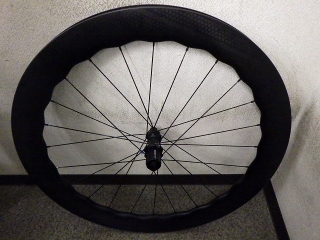
Built.
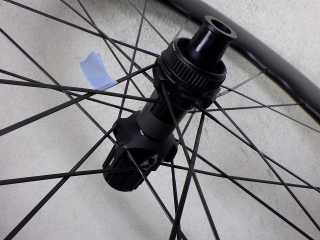
DT 180 straight-pull spoke hub, 24H
Half-black CX Sprint, forced 2-cross laced both sides, no tie-ins.
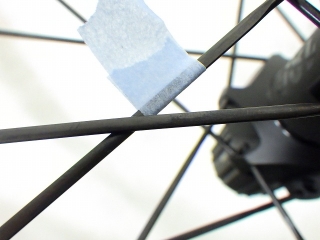

The centering is spot-on before and after the rebuild,
and even though the spoke gauge on the non-drive side hasn't changed,
the deformation when I squeezed it decreased considerably.
If I'm being honest, with the original Chune hub using different gauges and different spoke counts for each side—
though that's not possible on the rear wheel with straight-pull spokes due to availability—
a semi-competition build would work better still,
but since I've already bought the DT hub, that's just how it is.
Continuing from yesterday.
I'm replacing the hub on the rear wheel of the Princeton Wake 6560.
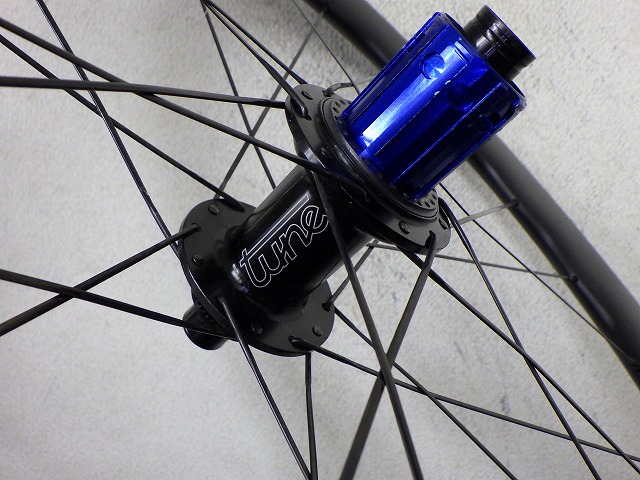
The original hub was a Chune hub like the front wheel,
24H all-black CX-RAY 4-cross laced.
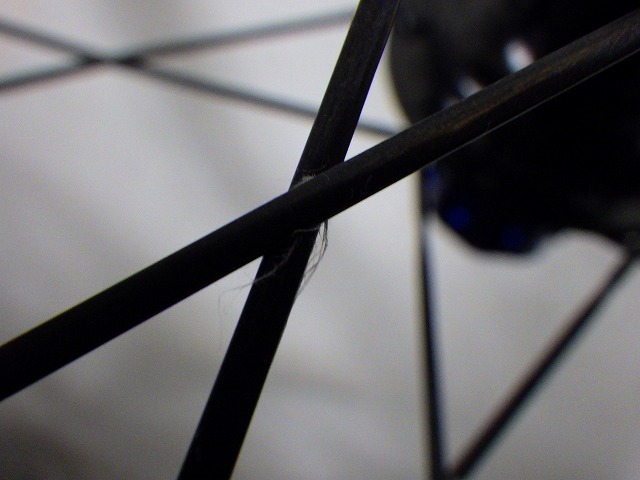

On both the non-drive and drive sides of the rear wheel,
some kind of fiber material was wedged in at the final crossing and oiled.
I'm guessing it was meant to prevent or reduce spoke noise.
From what I felt when I squeezed the final crossing,
it didn't creak particularly loudly,
but it was definitely loose.
Though I say that, this is something I tensioned in the past as well,
and under the condition of same-gauge same-number lacing on both sides, it's nearly the highest tension I can achieve.
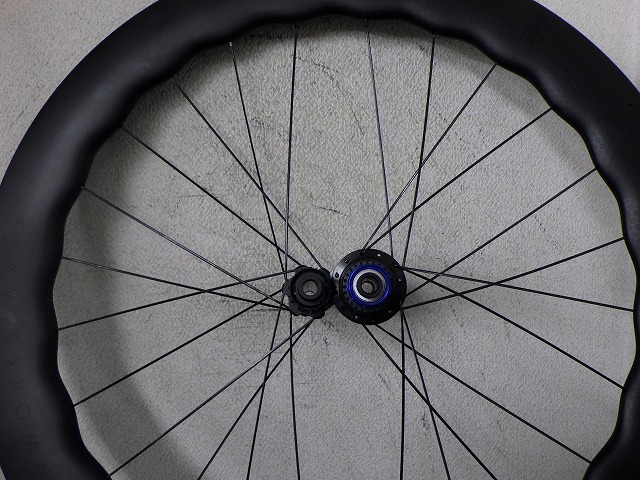
Hub relocation in progress...
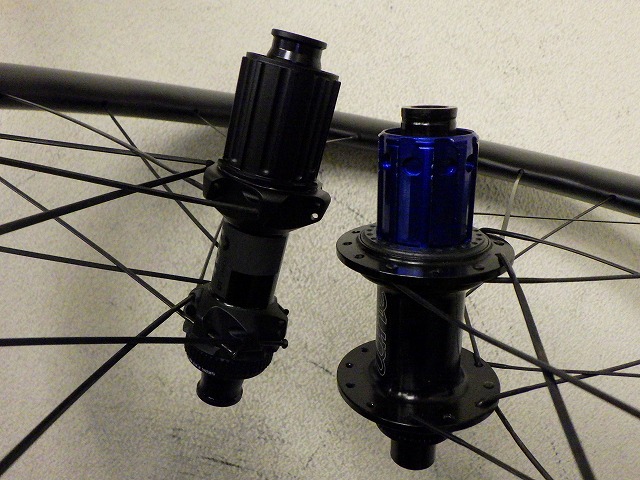
There's no real need to use such a silly method,
but I prioritized how it would look in the article.
Since I've already learned what I wanted to know about the rim's dimensions and weight,
I can afford to do things this way.
As for whether this is an efficient approach that saves working time—
it's absolutely not.
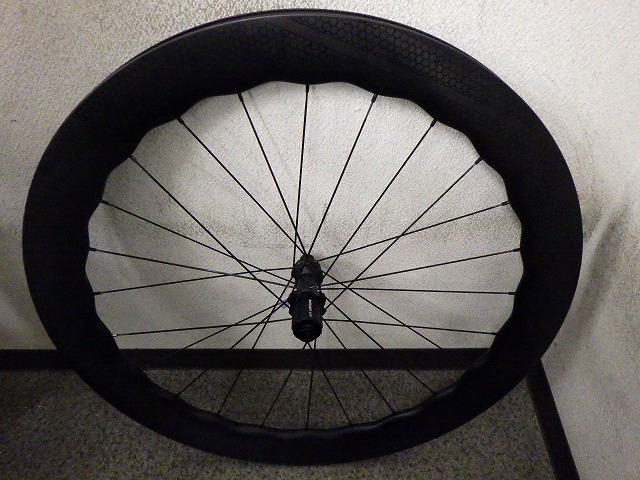
Built.
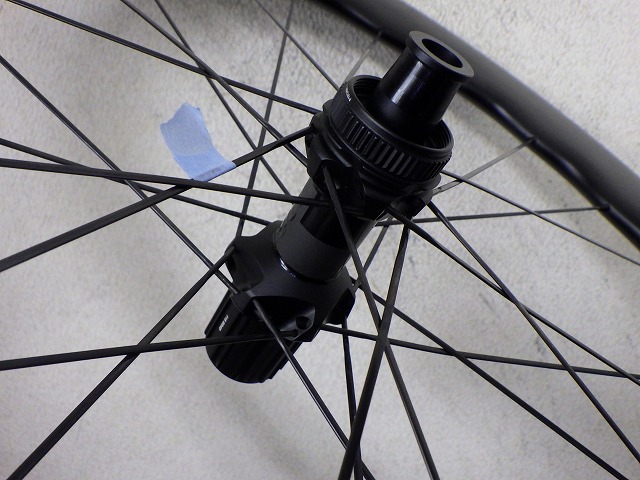
DT 180 straight-pull spoke hub, 24H
Half-black CX Sprint, forced 2-cross laced both sides, no tie-ins.
The centering is spot-on before and after the rebuild,
and even though the spoke gauge on the non-drive side hasn't changed,
the deformation when I squeezed it decreased considerably.
If I'm being honest, with the original Chune hub using different gauges and different spoke counts for each side—
though that's not possible on the rear wheel with straight-pull spokes due to availability—
a semi-competition build would work better still,
but since I've already bought the DT hub, that's just how it is.