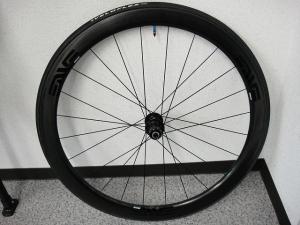
I rebuilt the hubs on a SMART ENVE—swapped out the 35mm front and 45mm rear hubs.

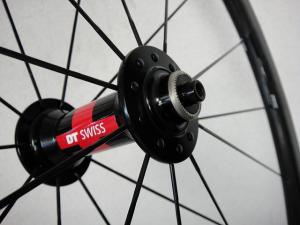
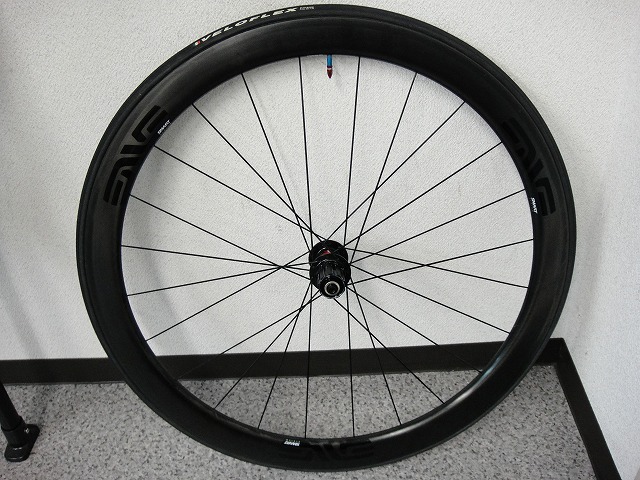
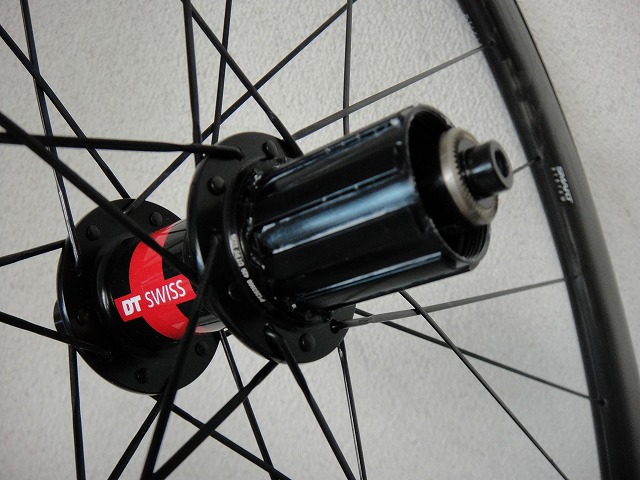
Both front and rear were built with DT 240S hubs originally, but
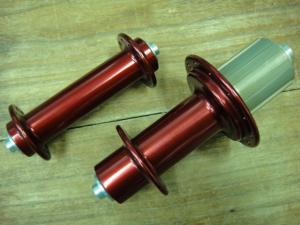
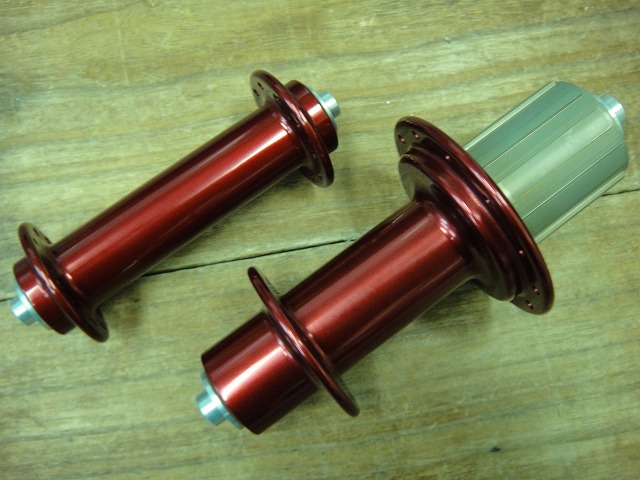
↑the customer wanted them swapped to this hub instead.
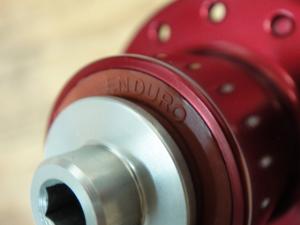
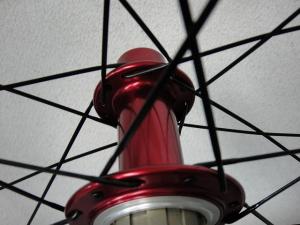
It's clever how the bearings sit just barely outside the flange edge, but
I've never seen it quite this pronounced before.

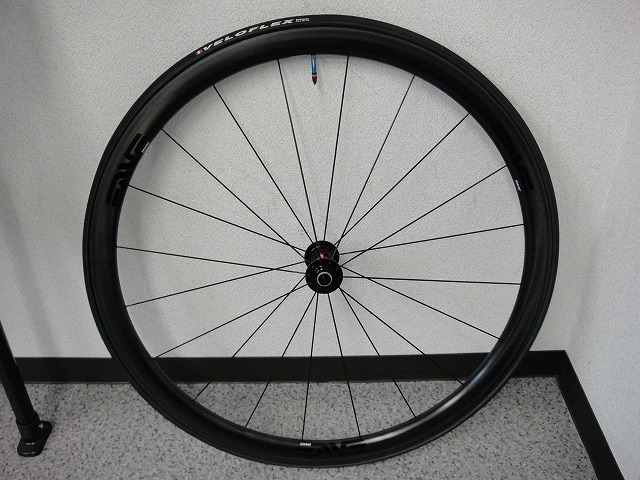
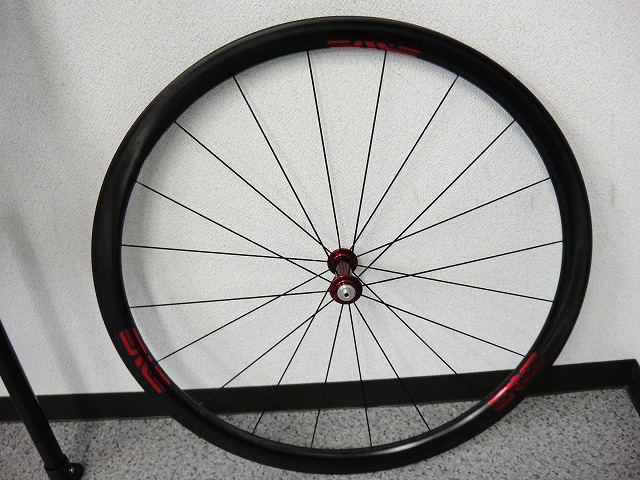
Front wheel is built.
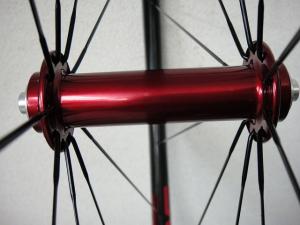
It's a wide-flange hub, but I didn't lace it all-inpoke.
I went with outpoke instead, though even with that approach,
the theoretical flange width is still wider than the TNi Evo hub laced all-inpoke.
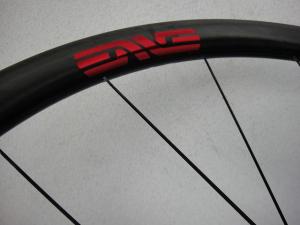
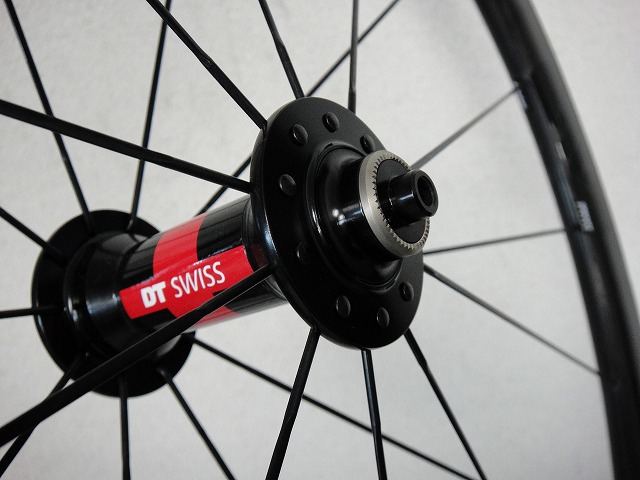
To match the red-anodized hub, we also had a similarly colored ENVE sticker
on hand, so I replaced that too.
Honestly, peeling off the old sticker and applying the new one took more care than building the wheel itself.
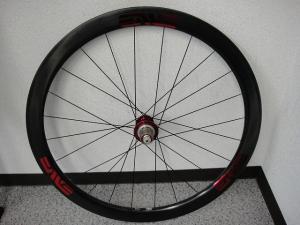
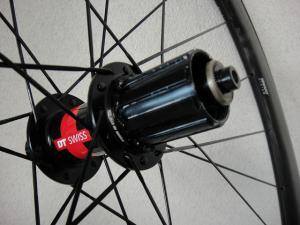
Rear wheel is built too.
It was laced 44 spoke (44 front, 44 rear) before, but the customer also wanted
it changed to 46 spoke (46 front, 46 rear) while we were at it—so that's what I did.
Both front and rear use CX-RAY spokes.
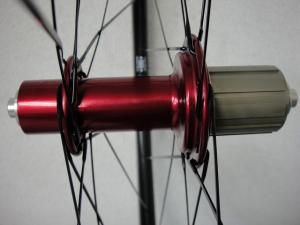
↑At first glance the flange width doesn't look particularly wide, but
that's because the hub body maintains its thick diameter all the way to the far edge.
The actual flange width measures about 60mm, so this rear hub is seriously wide-flanged.
For reference: Dura-Ace and TNi Evo are about 57mm, DT about 53mm,
American Classic about 50mm, Gokiso about 44mm, and my W freehub about 42mm.
Flange width is an absolutely critical factor—the lateral stiffness loss from narrow flanges
can't be recovered through half-measures like hi-lo flanging or asymmetric lacing patterns
(though those compromises do help somewhat, so I always optimize as much as possible).
I've mentioned the lateral stiffness problem with narrow flanges several times on this blog,
but I'm planning to write a longer article on this topic soon.

↑This Reynolds hub I built previously is also exceptionally wide at about 59mm.
When selecting a rear hub, prioritize flange width first, then hi-lo flange characteristics,
and you really can't go wrong.
Both front and rear were built with DT 240S hubs originally, but
↑the customer wanted them swapped to this hub instead.

It's clever how the bearings sit just barely outside the flange edge, but
I've never seen it quite this pronounced before.
Front wheel is built.
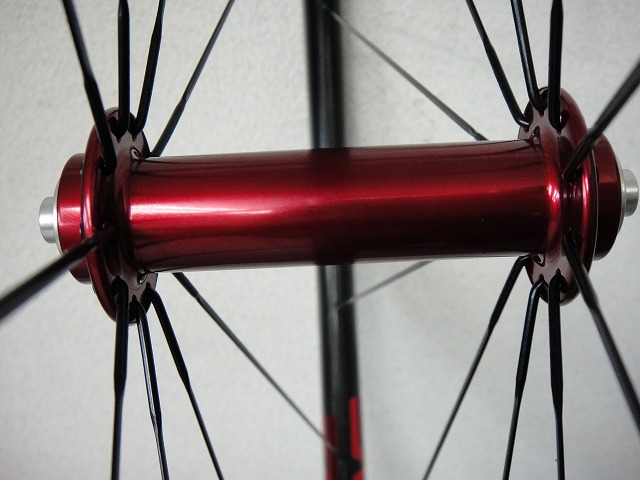
It's a wide-flange hub, but I didn't lace it all-inpoke.
I went with outpoke instead, though even with that approach,
the theoretical flange width is still wider than the TNi Evo hub laced all-inpoke.

To match the red-anodized hub, we also had a similarly colored ENVE sticker
on hand, so I replaced that too.
Honestly, peeling off the old sticker and applying the new one took more care than building the wheel itself.
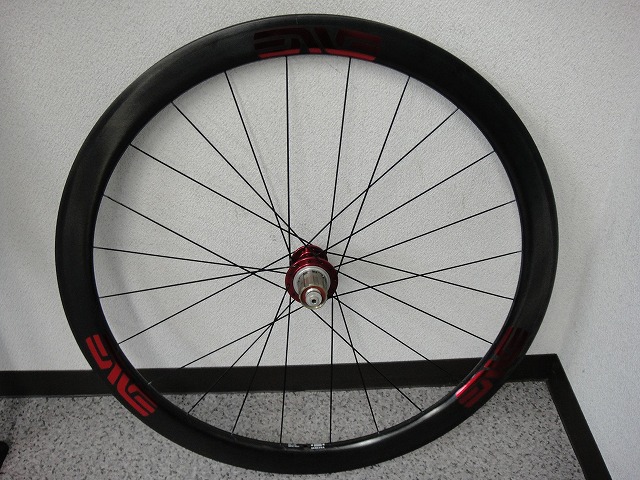
Rear wheel is built too.
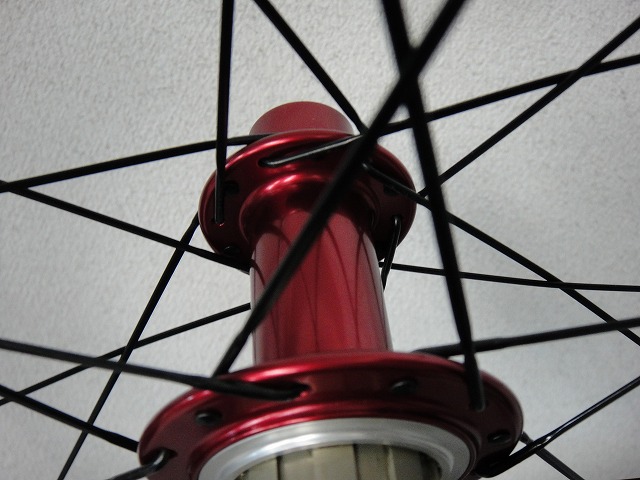
It was laced 44 spoke (44 front, 44 rear) before, but the customer also wanted
it changed to 46 spoke (46 front, 46 rear) while we were at it—so that's what I did.
Both front and rear use CX-RAY spokes.
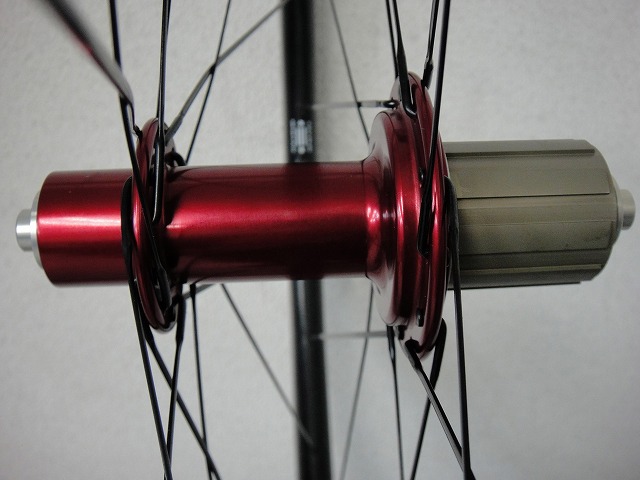
↑At first glance the flange width doesn't look particularly wide, but
that's because the hub body maintains its thick diameter all the way to the far edge.
The actual flange width measures about 60mm, so this rear hub is seriously wide-flanged.
For reference: Dura-Ace and TNi Evo are about 57mm, DT about 53mm,
American Classic about 50mm, Gokiso about 44mm, and my W freehub about 42mm.
Flange width is an absolutely critical factor—the lateral stiffness loss from narrow flanges
can't be recovered through half-measures like hi-lo flanging or asymmetric lacing patterns
(though those compromises do help somewhat, so I always optimize as much as possible).
I've mentioned the lateral stiffness problem with narrow flanges several times on this blog,
but I'm planning to write a longer article on this topic soon.
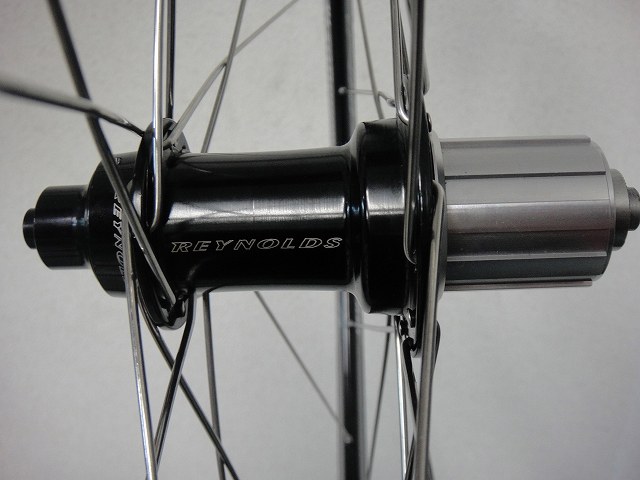
↑This Reynolds hub I built previously is also exceptionally wide at about 59mm.
When selecting a rear hub, prioritize flange width first, then hi-lo flange characteristics,
and you really can't go wrong.