Another day of wheel work (and so on).
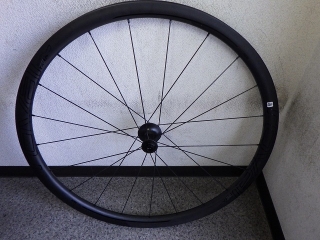
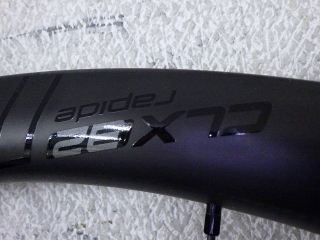
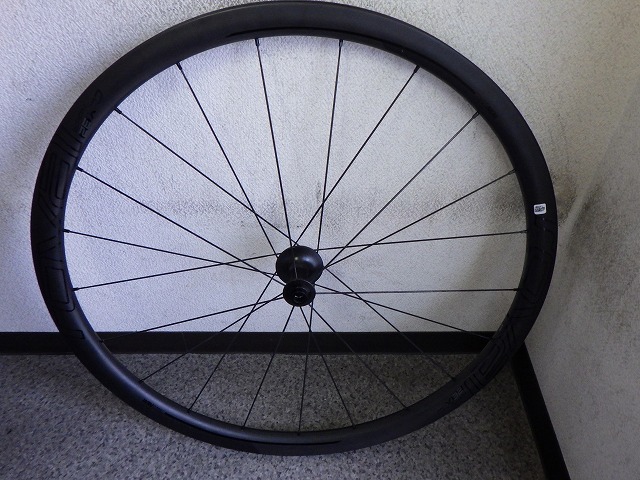
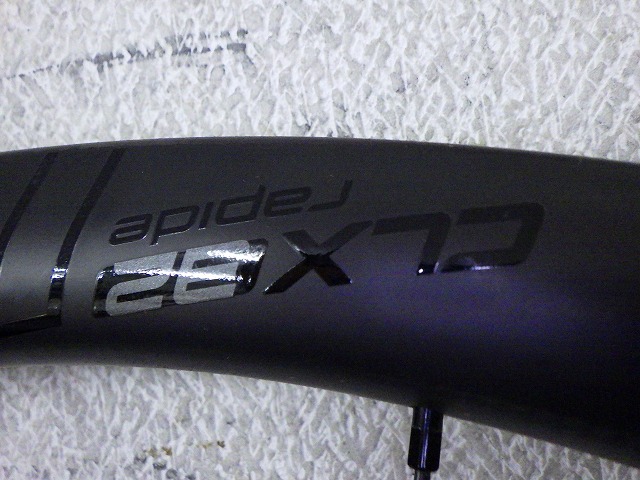
I received a Rovel CLX32
disc brake front wheel from a customer.
They wanted it rebuilt and the cables rerouted,
but when I squeezed the spokes,
I noticed the deformation on the high-spoke-count side
was less than I'd expect for an XI pattern 2:1 build.
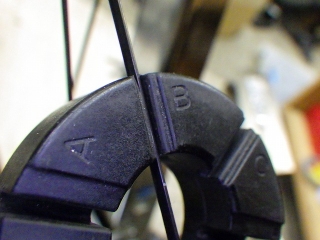
↑High-spoke-count side
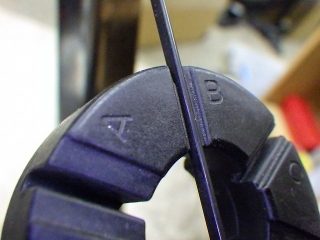
↑Low-spoke-count side
This wheel, just like the rim brake version of the CLX32,
uses a reverse-asymmetric lacing pattern (different spoke counts, opposite sides).
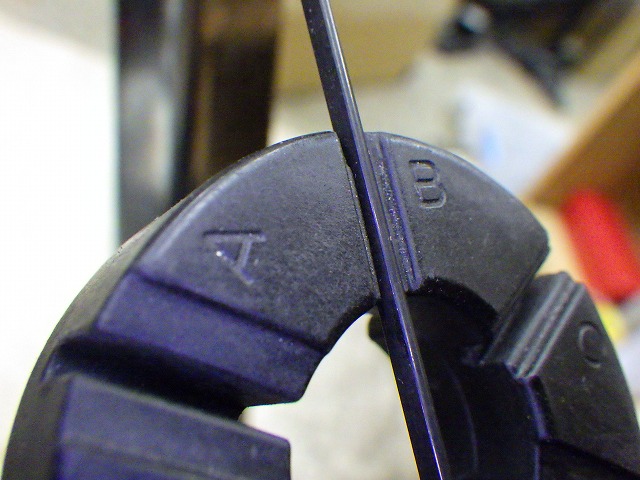
The Aerolight on the high-spoke-count side fits through Campagnolo's tool groove,
but the Aerocomp on the low-spoke-count side doesn't.
If you decide this rim height benefits from reverse-asymmetric lacing,
I'd think the Alpinist CLX should get the same treatment,
but that model probably goes with all-Aerolight and symmetric lacing
because it appeals to buyers who choose wheels purely on total weight figures
for both wheels combined—they're chasing that tangible lightness
you feel when you pick it up and what the scale shows
(actually quantifiable factors)
over structural optimization.
If this were a world with only Rovel wheels available
and you absolutely had to use them in as-shipped condition
(that would betorture, wouldn't it),
this CLX32 might be theoretically optimal.
If we're talking about it as a base for rebuilding,
the older Alpinist CLX with its lighter rim, or
the older C38 with symmetric tangent lacing on both sides
(which avoids that dumb 2:1 pattern)
would be the strongest candidates.
The new C38 has radial lacing on the anti-rotor flange side for the front wheel,
but uses symmetric spoke counts and comes with versatile J-bend spoke hubs,
so converting to symmetric tangent lacing is possible.
This front wheel is essentially in the same condition as
a hypothetical version of the rim brake CLX32 rear wheel
converted from a freehub to a single-threaded fixed cog hub,
reducing the flange offset slightly.
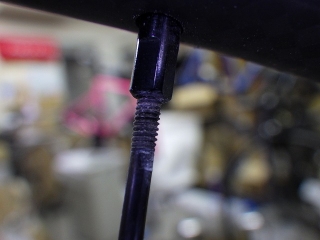
Since spoke replacement isn't needed,
technically I only need to re-tension the high-spoke-count side after inspection,
but there's another treatment I always apply to Rovel rebuilds on the spokes,
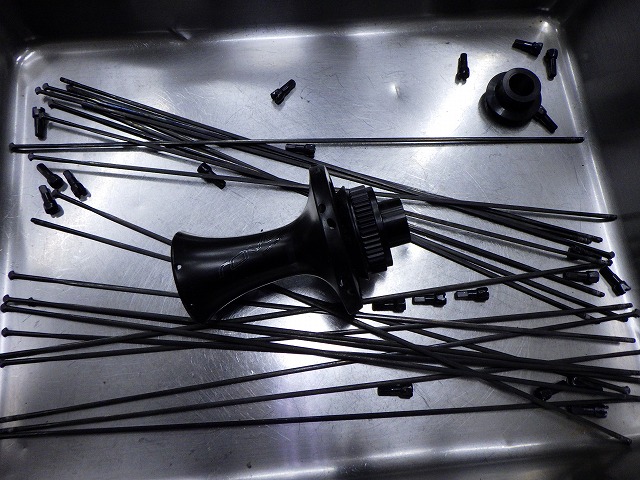
so I need to loosen all spokes to about the level shown in the image above.
CLX-series wheels use aluminum nipples that can be turned from the rim side too,
so I'll just reuse them,
but for CL-series and other brass nipples,
I replace them with standard aluminum nipples
even though that means losing the rim-side turning advantage—
so a complete disassembly is necessary.

For this wheel, complete disassembly wasn't strictly necessary,
but I did it anyway. It's actually more efficient than partial disassembly for rebuilding,
so the work time doesn't change much.
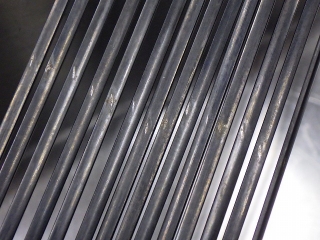
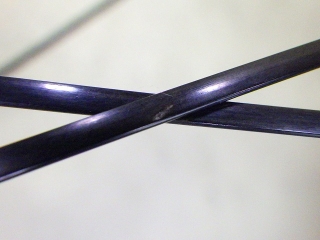
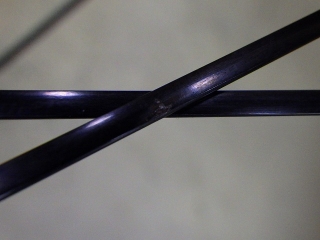
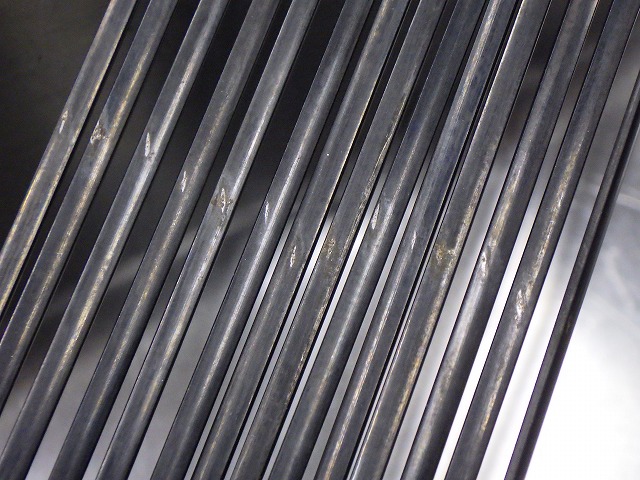
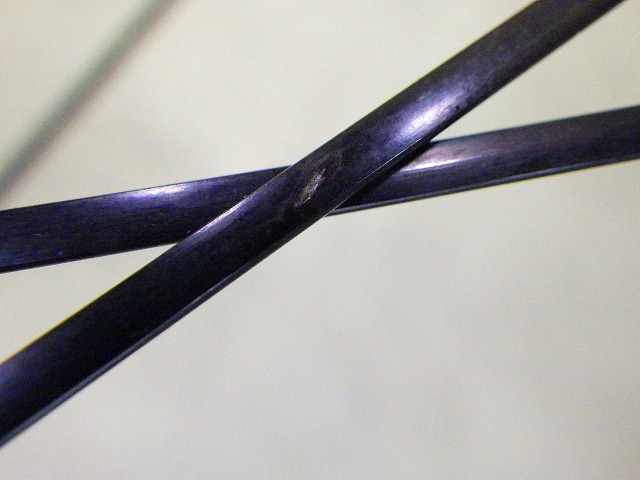
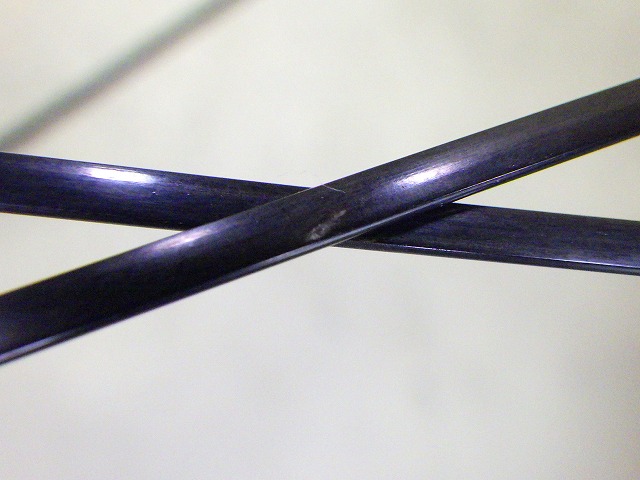
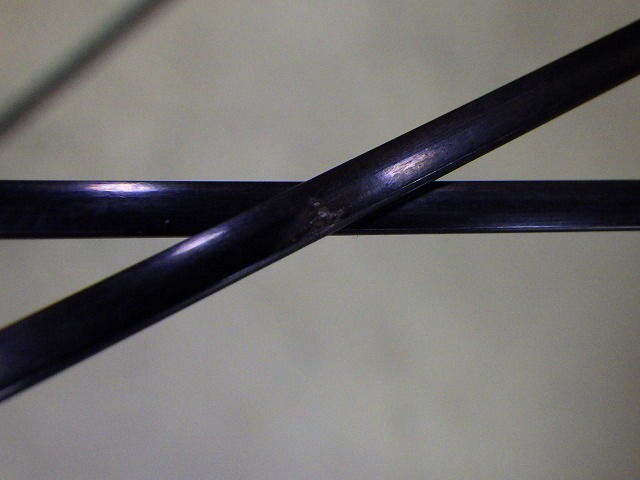
The wear marks at the final crossing contact point on the high-spoke-count side
are more subtle than what I've seen before,
but that might just be because the wheel hasn't been in use as long,
so I can't conclude that "reverse-asymmetric lacing with less deformation
means smaller wear marks!" based on this alone.

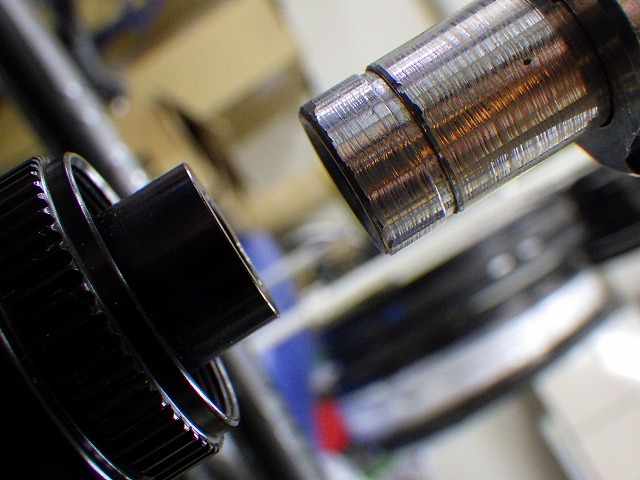
I started rebuilding.
With a hub that has minimal flange offset and asymmetric spoke counts,
using reverse-asymmetric lacing as a counterbalance,
you end up curious about just how much temporary center offset
you can intentionally introduce. ←(Don't look for my agreement)
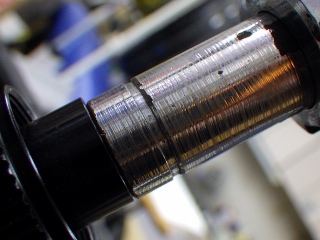
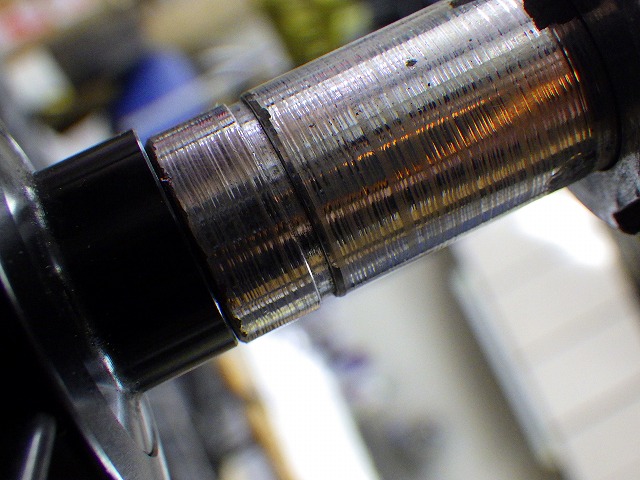
Got the center sorted.
At this point I'd only trued radial and center runout,
and fine lateral runout remained. Once I dialed that out,
about one sheet of paper worth of center offset appeared, so I had to correct that again.
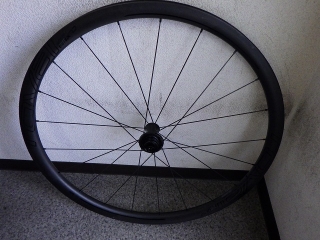
Finished building.
I'll do the cable routing on the high-spoke-count side later.
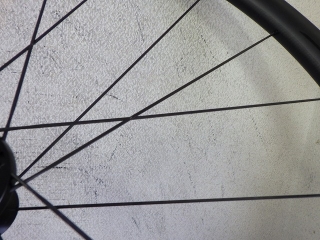
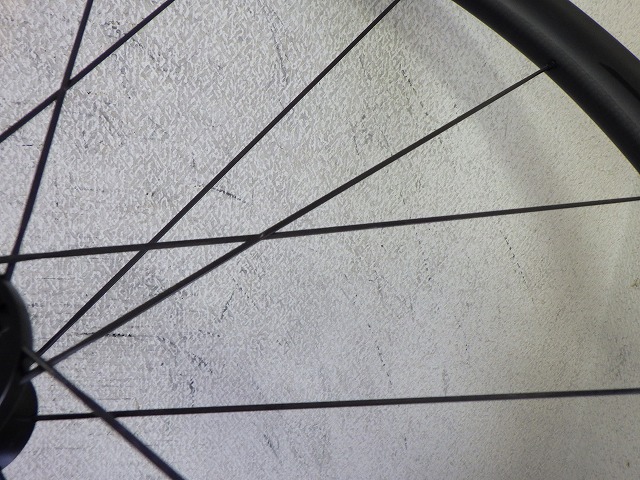
↑You can just barely make it out in this image,
but during the rebuild, I oriented the spokes at the final crossing
so that all seven wear marks face outward.
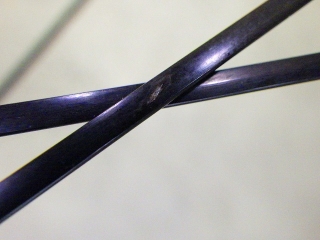
Since it's originally a reverse-asymmetric lace at about 78% / 65% spoke proportion,
the spoke tension hardly changed during the rebuild.
Because of that, the wear marks didn't creep outside the final crossing.
The most visually apparent difference from before the rebuild
is probably that the radial runout is now dialed in more tightly.
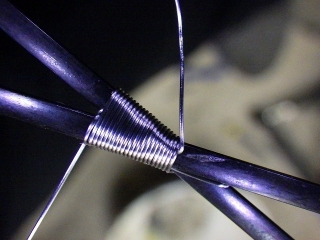
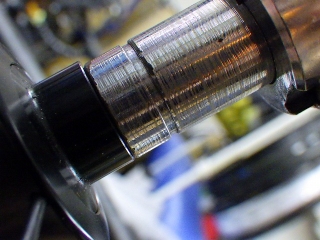
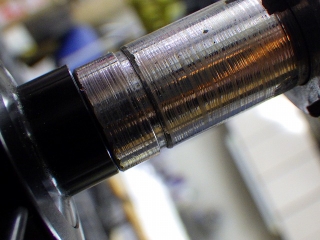
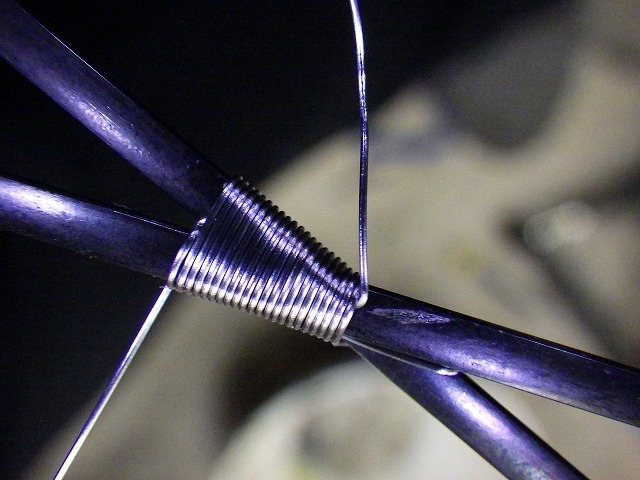
For reference, a past example:
the CLX50 rear wheel after cable routing looks like this
(right side of image is toward the hub)
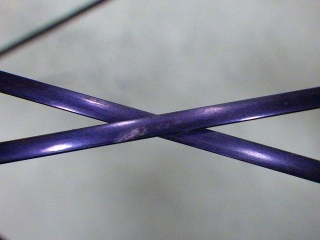
And the Alpinist CLX rear wheel before cable routing
looks like this (left side of image is toward the hub).
I received a Rovel CLX32
disc brake front wheel from a customer.
They wanted it rebuilt and the cables rerouted,
but when I squeezed the spokes,
I noticed the deformation on the high-spoke-count side
was less than I'd expect for an XI pattern 2:1 build.

↑High-spoke-count side
↑Low-spoke-count side
This wheel, just like the rim brake version of the CLX32,
uses a reverse-asymmetric lacing pattern (different spoke counts, opposite sides).
The Aerolight on the high-spoke-count side fits through Campagnolo's tool groove,
but the Aerocomp on the low-spoke-count side doesn't.
If you decide this rim height benefits from reverse-asymmetric lacing,
I'd think the Alpinist CLX should get the same treatment,
but that model probably goes with all-Aerolight and symmetric lacing
because it appeals to buyers who choose wheels purely on total weight figures
for both wheels combined—they're chasing that tangible lightness
you feel when you pick it up and what the scale shows
(actually quantifiable factors)
over structural optimization.
If this were a world with only Rovel wheels available
and you absolutely had to use them in as-shipped condition
(that would be
this CLX32 might be theoretically optimal.
If we're talking about it as a base for rebuilding,
the older Alpinist CLX with its lighter rim, or
the older C38 with symmetric tangent lacing on both sides
(which avoids that dumb 2:1 pattern)
would be the strongest candidates.
The new C38 has radial lacing on the anti-rotor flange side for the front wheel,
but uses symmetric spoke counts and comes with versatile J-bend spoke hubs,
so converting to symmetric tangent lacing is possible.

This front wheel is essentially in the same condition as
a hypothetical version of the rim brake CLX32 rear wheel
converted from a freehub to a single-threaded fixed cog hub,
reducing the flange offset slightly.
Since spoke replacement isn't needed,
technically I only need to re-tension the high-spoke-count side after inspection,
but there's another treatment I always apply to Rovel rebuilds on the spokes,
so I need to loosen all spokes to about the level shown in the image above.
CLX-series wheels use aluminum nipples that can be turned from the rim side too,
so I'll just reuse them,
but for CL-series and other brass nipples,
I replace them with standard aluminum nipples
even though that means losing the rim-side turning advantage—
so a complete disassembly is necessary.
For this wheel, complete disassembly wasn't strictly necessary,
but I did it anyway. It's actually more efficient than partial disassembly for rebuilding,
so the work time doesn't change much.
The wear marks at the final crossing contact point on the high-spoke-count side
are more subtle than what I've seen before,
but that might just be because the wheel hasn't been in use as long,
so I can't conclude that "reverse-asymmetric lacing with less deformation
means smaller wear marks!" based on this alone.

I started rebuilding.
With a hub that has minimal flange offset and asymmetric spoke counts,
using reverse-asymmetric lacing as a counterbalance,
you end up curious about just how much temporary center offset
you can intentionally introduce. ←(Don't look for my agreement)

Got the center sorted.
At this point I'd only trued radial and center runout,
and fine lateral runout remained. Once I dialed that out,
about one sheet of paper worth of center offset appeared, so I had to correct that again.

Finished building.
I'll do the cable routing on the high-spoke-count side later.
↑You can just barely make it out in this image,
but during the rebuild, I oriented the spokes at the final crossing
so that all seven wear marks face outward.
Since it's originally a reverse-asymmetric lace at about 78% / 65% spoke proportion,
the spoke tension hardly changed during the rebuild.
Because of that, the wear marks didn't creep outside the final crossing.
The most visually apparent difference from before the rebuild
is probably that the radial runout is now dialed in more tightly.
For reference, a past example:
the CLX50 rear wheel after cable routing looks like this
(right side of image is toward the hub)
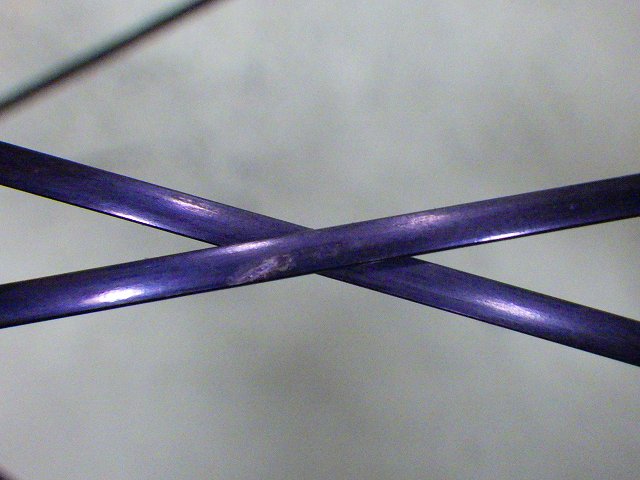
And the Alpinist CLX rear wheel before cable routing
looks like this (left side of image is toward the hub).