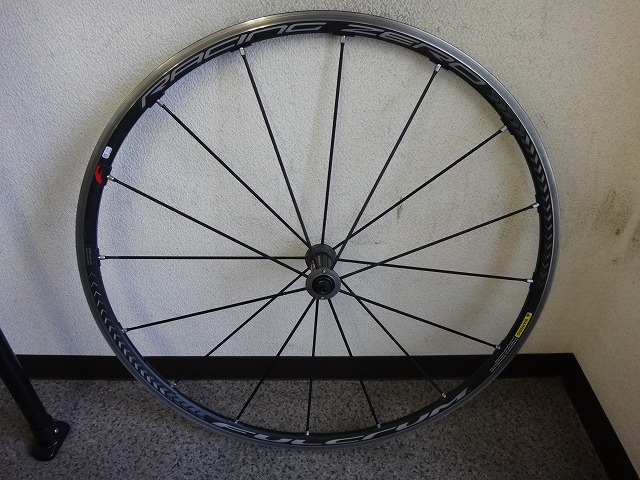
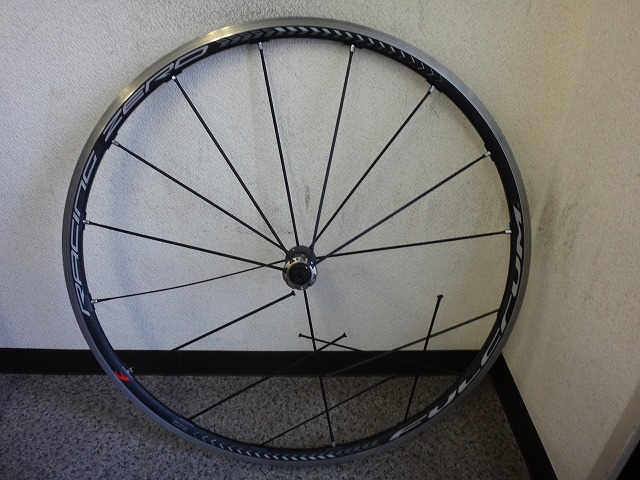
A customer dropped off the front wheel of a Fulcrum Racing Zero with me.
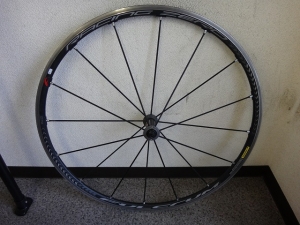
They wanted the hub replaced—
it's not a request you hear very often.
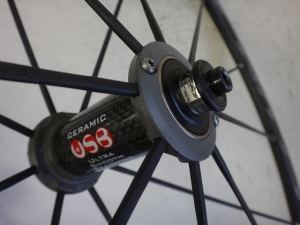
With Fulcrum and Campagnolo wheels, there was a period around 2007 when they sold "hub bodies" as spare parts. That created a risk of them being treated as toys by people like me—building wheels in ridiculous configurations from disassembled parts(which I actually did)—so they discontinued it pretty quickly. For example, the Racing Zero hub bodies from back then aren't carbon ones, but they were listed under part number R0-012. Even if you try to order one, you get told "there's no stock at the factory and production has ended, so it's discontinued."
So hub replacement isn't possible...
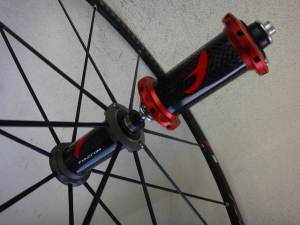
Oh, they have a hub pulled off a different wheel?
In that case, it's possible.
The reason they want to replace it isn't theft-related or anything like that—it's something more pressing—but I can't write about it here. Within what I can say, Fulcrum bears absolutely no fault.
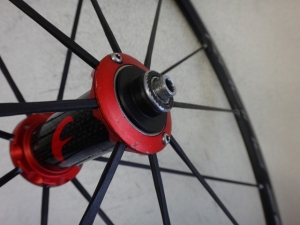
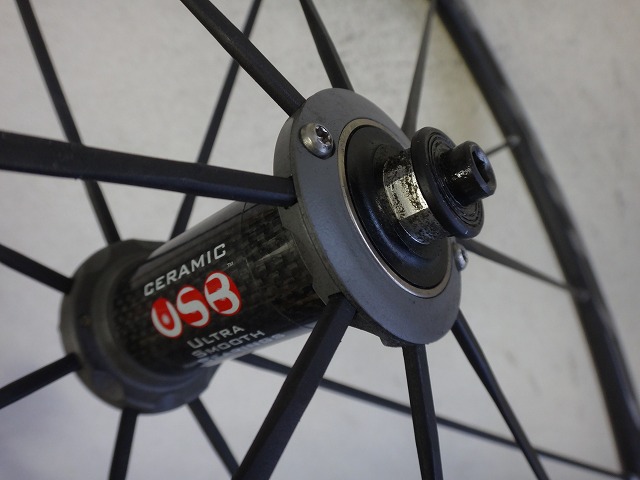
By the way, the hub they're replacing has the newer, smaller-diameter retainer bearing front hub with USB freebody spec, but apparently it's CULT spec'd.
Actually, to be precise, that's not allowed. Using Campagnolo parts on Fulcrum wheels (or vice versa) is against the rules. You can't use Campagnolo's new white aluminum freebody for Shimano 11-speed on a Fulcrum wheel, and you can't use Racing Zero spare black spokes for Shamal Ultra repairs. Since only Campagnolo makes the new small-diameter front hub bearing with CULT spec, the only way Fulcrum's latest front wheels could be CULT spec'd is if they violated the rules.

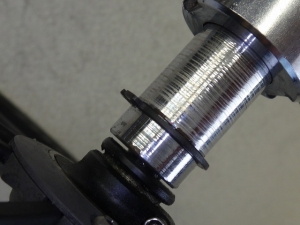
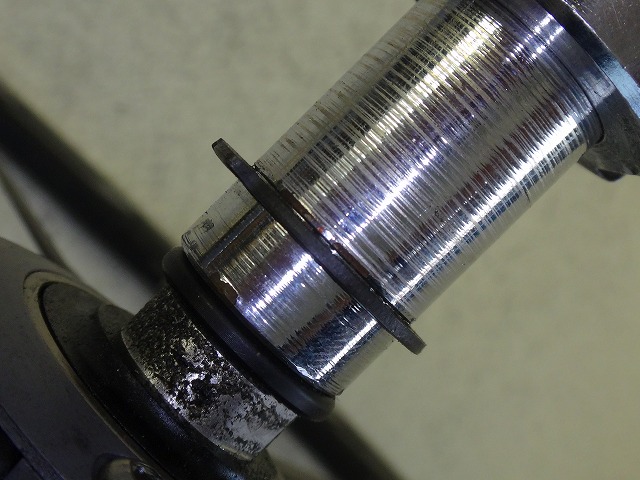
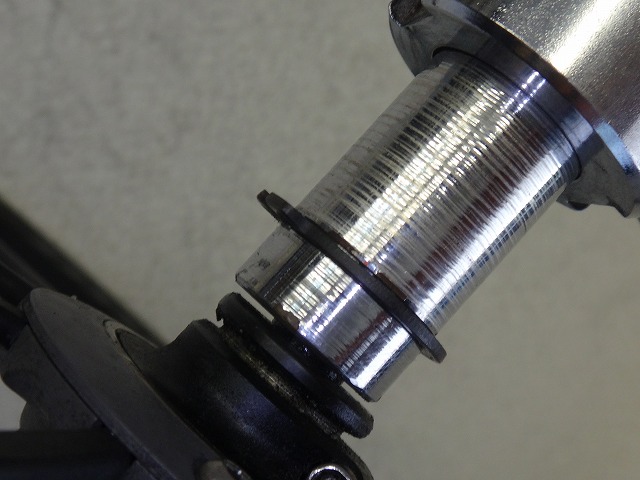
Since we're rebuilding anyway, it doesn't really matter, but there was runout at center. What bothered me more was the spoke tension—it was way below the factory minimum. Even if you abused a loose specimen, it wouldn't get this slack, but again, we're rebuilding so it's whatever.
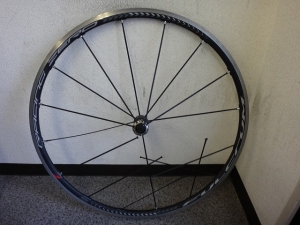
I loosened the nipples for half the wheel—just enough to pull the spoke heads off the hub flanges.
From there, you can wiggle the hub and it comes right out.
Since I built a Nomulab Wheel 2.5 after this, it's not relevant, but since I completely separated rim and hub, this does meet the conditions of the "wheel" thing (never mind that). Sorry, that's personal.
You could loosen all the nipples equally and pull the hub, but when you only loosen half, you can try to rebuild the wheel by just tightening those loosened nipples first. During truing, as long as the tightening of the loosened side goes up to the point where you need to tighten the unloosenend side, you're back to approximately where you started. If you barely touch the half you didn't loosen—if you're okay with the pre-rebuild spoke tension—you've got the awkwardness of some spokes being loosened and others not. But this time, since I'm going to tighten the nipples on the side I didn't loosen quite a bit during the hub replacement, I went with half-loosening instead of loosening everything slightly.
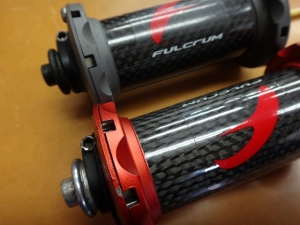
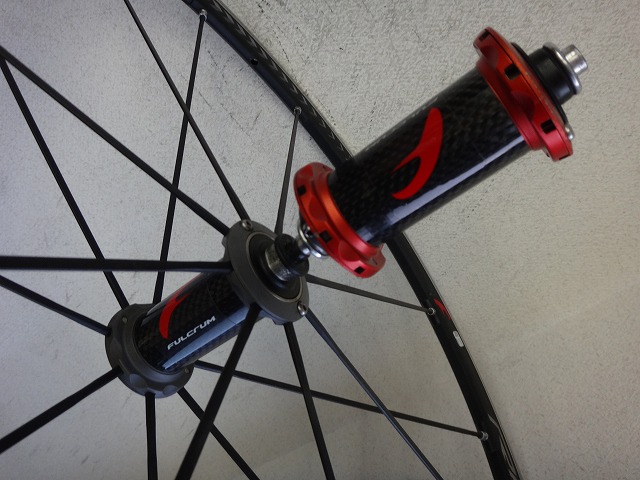
I took it apart. This is a personal rule of mine: when building a Fulcrum front wheel from scratch, I set it so the hub logo reads properly, the rim WARNING sticker is on the left side in the direction of travel, and the phase seen from the valve hole is aligned with the fulcrum (lever) logo. The top two sometimes can't be done on rear wheels, though.
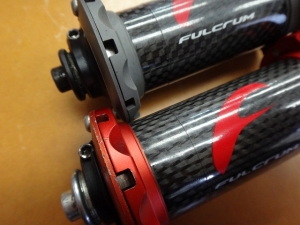
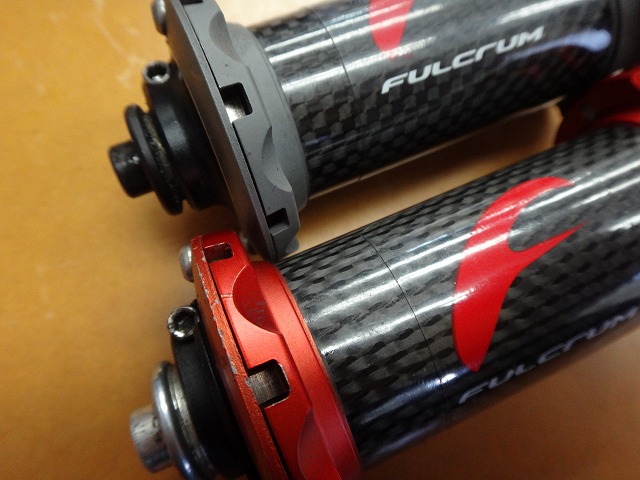
So I pulled the hub axle and flipped its orientation relative to the hub body. I'm not unaware that adjusting the bearing play on the bare hub can result in it being too loose once the wheel is built, requiring readjustment. But the split-wedge centering washer that's wedge-fit into the left cup cone can change the wheel center when re-fit depending on how it goes in. So finishing the wheel to final and then swapping the axle could be redundant. I figure if you're going to do it anyway, might as well do it first at roughly the final tension, so this time I did it on the bare hub.
With this hub's structure, you wouldn't think the separately press-fit cone would be pulled by the hub flange being under tension, but actually once spoke tension was applied, the bearing got loose.
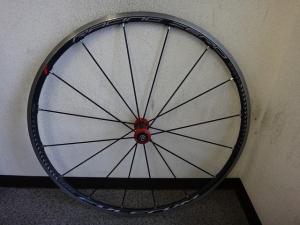
Built it up. There's such a dramatic misalignment pattern that you absolutely couldn't build it wrong, so no particular issues, but this rim is a reverse rim.
When I handed it back to the customer, I asked: it turned out the pre-rebuild state wasn't a factory build but something a shop had assembled. No wonder it was loose. The rebuild isn't particularly tight (just slightly above the factory average), but they should notice it feels noticeably more solid.
They wanted the hub replaced—
it's not a request you hear very often.
With Fulcrum and Campagnolo wheels, there was a period around 2007 when they sold "hub bodies" as spare parts. That created a risk of them being treated as toys by people like me—building wheels in ridiculous configurations from disassembled parts
So hub replacement isn't possible...
Oh, they have a hub pulled off a different wheel?
In that case, it's possible.
The reason they want to replace it isn't theft-related or anything like that—it's something more pressing—but I can't write about it here. Within what I can say, Fulcrum bears absolutely no fault.
By the way, the hub they're replacing has the newer, smaller-diameter retainer bearing front hub with USB freebody spec, but apparently it's CULT spec'd.
Actually, to be precise, that's not allowed. Using Campagnolo parts on Fulcrum wheels (or vice versa) is against the rules. You can't use Campagnolo's new white aluminum freebody for Shimano 11-speed on a Fulcrum wheel, and you can't use Racing Zero spare black spokes for Shamal Ultra repairs. Since only Campagnolo makes the new small-diameter front hub bearing with CULT spec, the only way Fulcrum's latest front wheels could be CULT spec'd is if they violated the rules.
Since we're rebuilding anyway, it doesn't really matter, but there was runout at center. What bothered me more was the spoke tension—it was way below the factory minimum. Even if you abused a loose specimen, it wouldn't get this slack, but again, we're rebuilding so it's whatever.
I loosened the nipples for half the wheel—just enough to pull the spoke heads off the hub flanges.
From there, you can wiggle the hub and it comes right out.
Since I built a Nomulab Wheel 2.5 after this, it's not relevant, but since I completely separated rim and hub, this does meet the conditions of the "wheel" thing (never mind that). Sorry, that's personal.
You could loosen all the nipples equally and pull the hub, but when you only loosen half, you can try to rebuild the wheel by just tightening those loosened nipples first. During truing, as long as the tightening of the loosened side goes up to the point where you need to tighten the unloosenend side, you're back to approximately where you started. If you barely touch the half you didn't loosen—if you're okay with the pre-rebuild spoke tension—you've got the awkwardness of some spokes being loosened and others not. But this time, since I'm going to tighten the nipples on the side I didn't loosen quite a bit during the hub replacement, I went with half-loosening instead of loosening everything slightly.

I took it apart. This is a personal rule of mine: when building a Fulcrum front wheel from scratch, I set it so the hub logo reads properly, the rim WARNING sticker is on the left side in the direction of travel, and the phase seen from the valve hole is aligned with the fulcrum (lever) logo. The top two sometimes can't be done on rear wheels, though.
So I pulled the hub axle and flipped its orientation relative to the hub body. I'm not unaware that adjusting the bearing play on the bare hub can result in it being too loose once the wheel is built, requiring readjustment. But the split-wedge centering washer that's wedge-fit into the left cup cone can change the wheel center when re-fit depending on how it goes in. So finishing the wheel to final and then swapping the axle could be redundant. I figure if you're going to do it anyway, might as well do it first at roughly the final tension, so this time I did it on the bare hub.
With this hub's structure, you wouldn't think the separately press-fit cone would be pulled by the hub flange being under tension, but actually once spoke tension was applied, the bearing got loose.
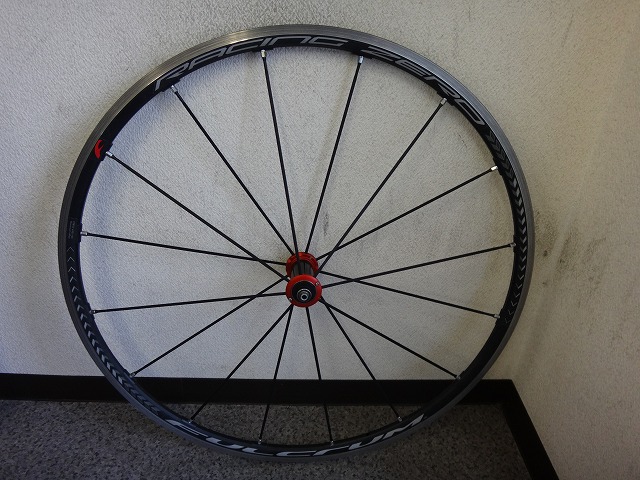
Built it up. There's such a dramatic misalignment pattern that you absolutely couldn't build it wrong, so no particular issues, but this rim is a reverse rim.
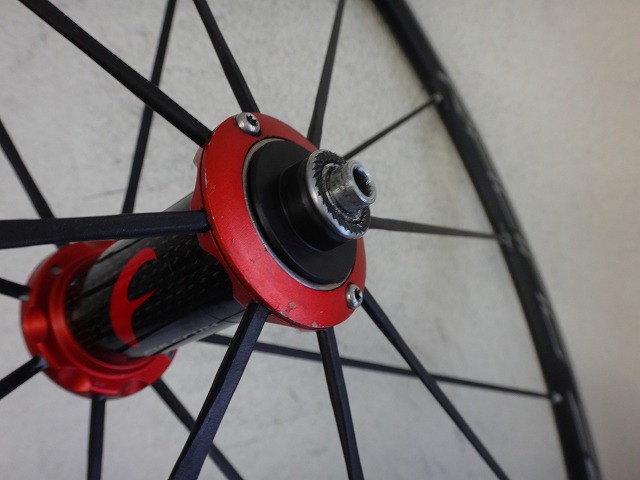
When I handed it back to the customer, I asked: it turned out the pre-rebuild state wasn't a factory build but something a shop had assembled. No wonder it was loose. The rebuild isn't particularly tight (just slightly above the factory average), but they should notice it feels noticeably more solid.