Tomorrow, October 30th (Saturday), is the last Saturday of the month, so I'll be taking the day off.
The last Saturday is normally a closed day anyway,
but since I sometimes forget and end up coming to the shop,
I figured I'd mention it here just in case.
Below are some supplementary notes to previous posts
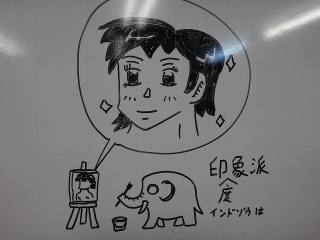
↑I was surprisingly shocked to find that quite a few people understood what this illustration meant (←making assumptions about who they are, aren't I).
I've received about three comments on it.
Of course, I won't explain it.
But I think those who understand the meaning will also understand why I can't explain it.

Regarding A&W root beer, at the shop where I buy it,
they sell bottles with Japanese instruction stickers applied.
And the string of numbers on the back (bottom) of the can appears to be just a management number—
there's no marking indicating an expiration date.
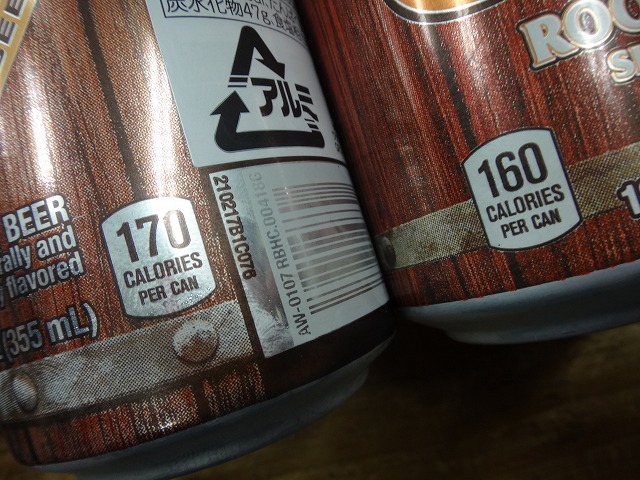
The 170 kcal version definitely has a much stronger, sharper aftertaste,
and while Iwouldn't normally drink something like this, I actually prefer the 170 kcal version.
Previously I mentioned that it seems to have been reformulated to the 160 kcal version.
My reasoning was based on two points: "the shop I usually buy from now only sells the 160 kcal version"
and "the expiration date on the can sticker is earlier for the 170 kcal version."
However, according to a customer who comes to our shop,
when they bought A&W root beer separately from an Okinawa specialty shop (160 kcal) and from Costco (170 kcal),
both had expiration date markings on the bottom of the can,
and the 160 kcal version had a later expiration date.
So rather than being reformulated, it might just be that they come from different manufacturing facilities—
different production batches.
I can't confirm if that's actually the case,
but there is a question about whether it's acceptable to sell clearly different products
under the same name and as the same item.
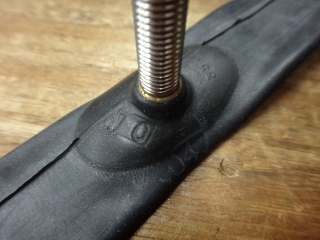
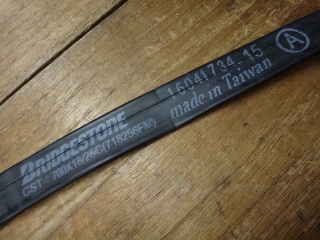
I managed to get a photo of the sibling to that tube (→this one).
This one is 0.6mm thick, so strictly speaking it's not the same, and
the actual sibling would be the 0.45mm thick version (or triplets, you could say).
The meaning of the marking on the right side is still unclear,
but I've figured out what the 718256FM below the Bridgestone marking on the left means.
Bridgestone's Exteneza tubes come in two types: 0.6mm thick "Light" and 0.45mm thick "Super Light".
These don't mean "leaning right" and "far right," I think.
Breaking down 718256FM:
7 700C tube
1825 18–25C compatible
6 0.6mm thick (4 would be 0.45mm thick)
F French valve
M 48mm valve (L would be 60mm valve)
That's what it means, but this is just Bridgestone's naming convention being printed at the request of the OEM supplier Maxxis,
and it has nothing to do with Maxxis's own naming system.
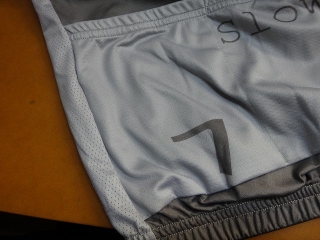
Let me explain the Jessée jersey feature that people sometimes suspect is a manufacturing defect
and occasionally receivecomplaints strict feedback about.
When you put your hand into the left pocket of the jersey with your palm facing your body,
sometimes your thumb ends up going right into a hole.
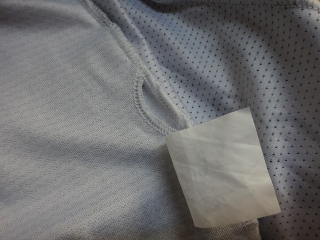
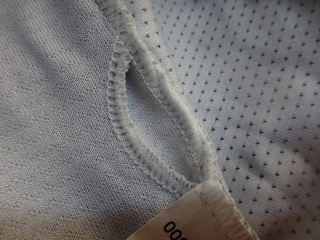
↑This hole
This isn't a manufacturing defect—
it's a hole designed to thread the earphone cable
coming from the wireless radio used in races through the jersey,
and Jessée includes this feature not just on jerseys
but also on the jackets you wear over them.
It's so much in line with European race specifications that people don't understand it, and they sometimes say it's a sewing defect.
Apparently Seven Bicycle has even asked them to remove it from Japan-market versions, saying it's too authentic,
but they won't listen.
Seven Bicycle does occasionally announce this feature,
but since we still receivecomplaints strict feedback about it sometimes,
I figured I'd inform you about it here as well.
The last Saturday is normally a closed day anyway,
but since I sometimes forget and end up coming to the shop,
I figured I'd mention it here just in case.
Below are some supplementary notes to previous posts
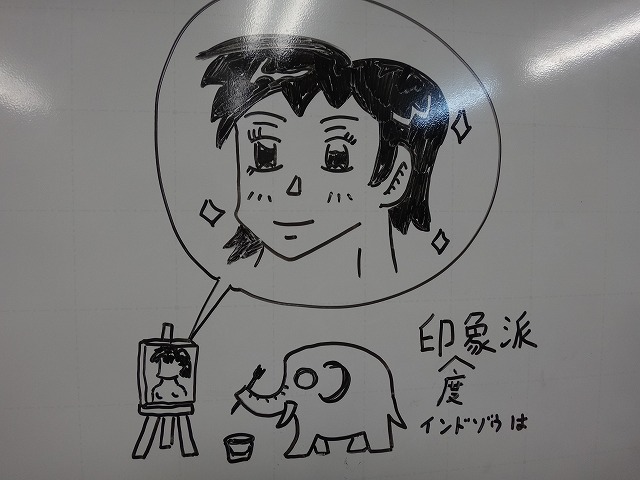
↑I was surprisingly shocked to find that quite a few people understood what this illustration meant (←making assumptions about who they are, aren't I).
I've received about three comments on it.
Of course, I won't explain it.
But I think those who understand the meaning will also understand why I can't explain it.
Regarding A&W root beer, at the shop where I buy it,
they sell bottles with Japanese instruction stickers applied.
And the string of numbers on the back (bottom) of the can appears to be just a management number—
there's no marking indicating an expiration date.
The 170 kcal version definitely has a much stronger, sharper aftertaste,
and while I
Previously I mentioned that it seems to have been reformulated to the 160 kcal version.
My reasoning was based on two points: "the shop I usually buy from now only sells the 160 kcal version"
and "the expiration date on the can sticker is earlier for the 170 kcal version."
However, according to a customer who comes to our shop,
when they bought A&W root beer separately from an Okinawa specialty shop (160 kcal) and from Costco (170 kcal),
both had expiration date markings on the bottom of the can,
and the 160 kcal version had a later expiration date.
So rather than being reformulated, it might just be that they come from different manufacturing facilities—
different production batches.
I can't confirm if that's actually the case,
but there is a question about whether it's acceptable to sell clearly different products
under the same name and as the same item.
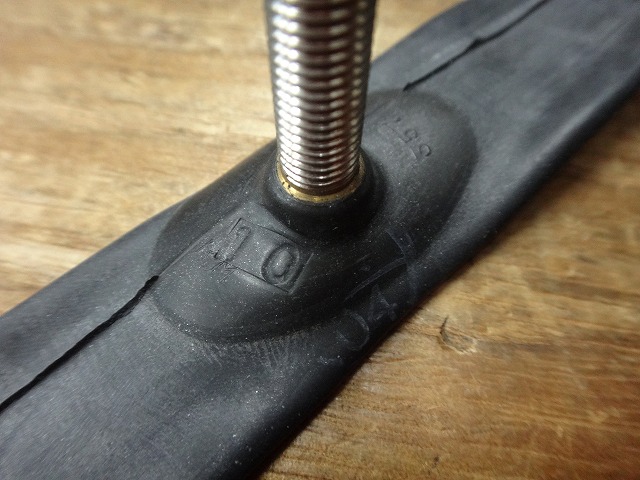
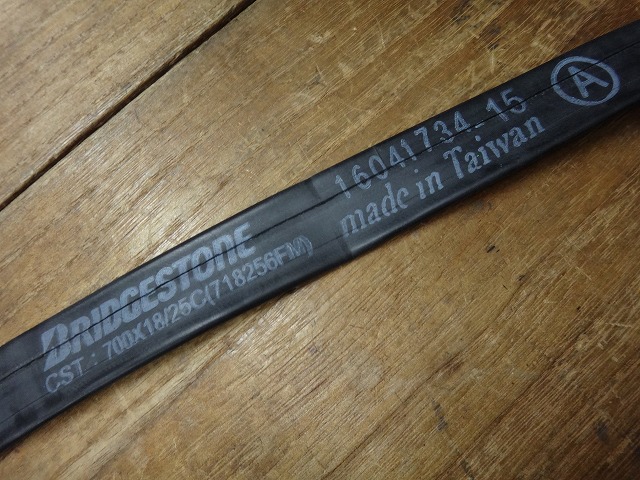
I managed to get a photo of the sibling to that tube (→this one).
This one is 0.6mm thick, so strictly speaking it's not the same, and
the actual sibling would be the 0.45mm thick version (or triplets, you could say).
The meaning of the marking on the right side is still unclear,
but I've figured out what the 718256FM below the Bridgestone marking on the left means.
Bridgestone's Exteneza tubes come in two types: 0.6mm thick "Light" and 0.45mm thick "Super Light".
Breaking down 718256FM:
7 700C tube
1825 18–25C compatible
6 0.6mm thick (4 would be 0.45mm thick)
F French valve
M 48mm valve (L would be 60mm valve)
That's what it means, but this is just Bridgestone's naming convention being printed at the request of the OEM supplier Maxxis,
and it has nothing to do with Maxxis's own naming system.
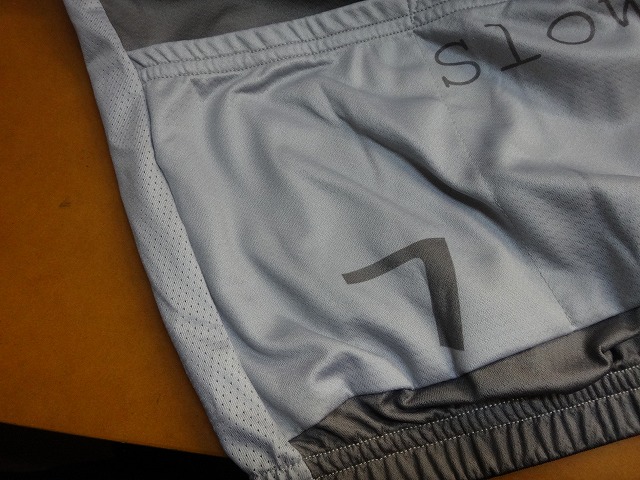
Let me explain the Jessée jersey feature that people sometimes suspect is a manufacturing defect
and occasionally receive
When you put your hand into the left pocket of the jersey with your palm facing your body,
sometimes your thumb ends up going right into a hole.

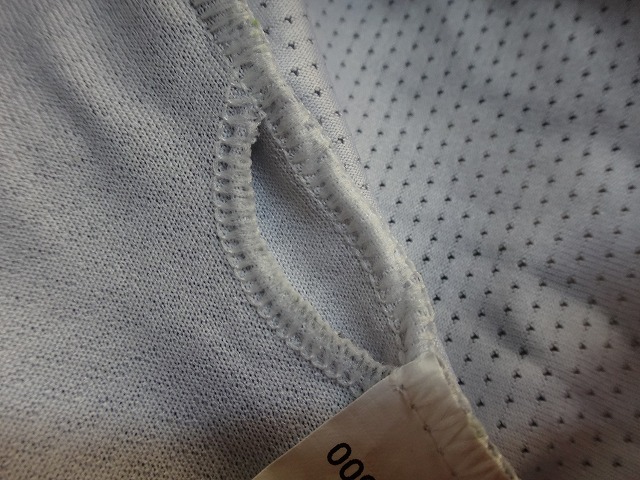
↑This hole
This isn't a manufacturing defect—
it's a hole designed to thread the earphone cable
coming from the wireless radio used in races through the jersey,
and Jessée includes this feature not just on jerseys
but also on the jackets you wear over them.
It's so much in line with European race specifications that people don't understand it, and they sometimes say it's a sewing defect.
Apparently Seven Bicycle has even asked them to remove it from Japan-market versions, saying it's too authentic,
but they won't listen.
Seven Bicycle does occasionally announce this feature,
but since we still receive
I figured I'd inform you about it here as well.