Another wheel day (and so on).
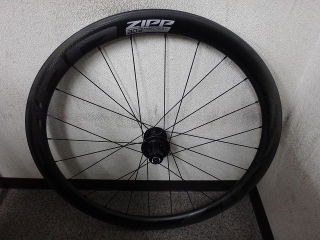
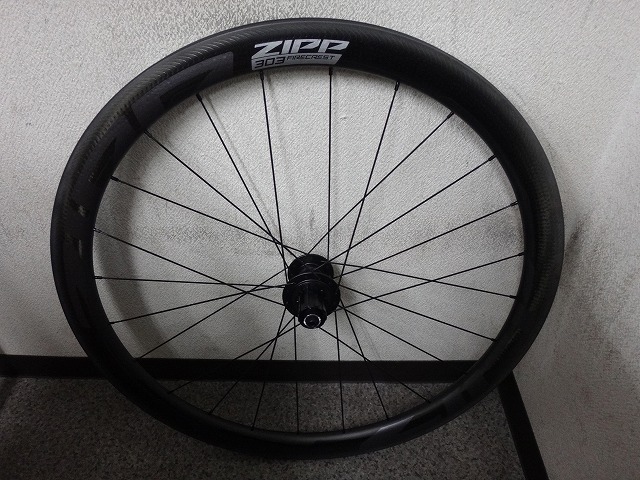
A customer brought in a ZIPP 303 rear wheel for me to work on.
It's set up for rim brakes.
They feel the current rear wheel they're using is a bit loose (and they're not wrong),
so they want it rebuilt.
That wheel too, though it's not a ZIPP,
is a factory-built wheel from some brand that I rebuilt myself.

They mentioned that the actual measured weight of the wheel is heavier than the catalog weight,
so I looked into it.
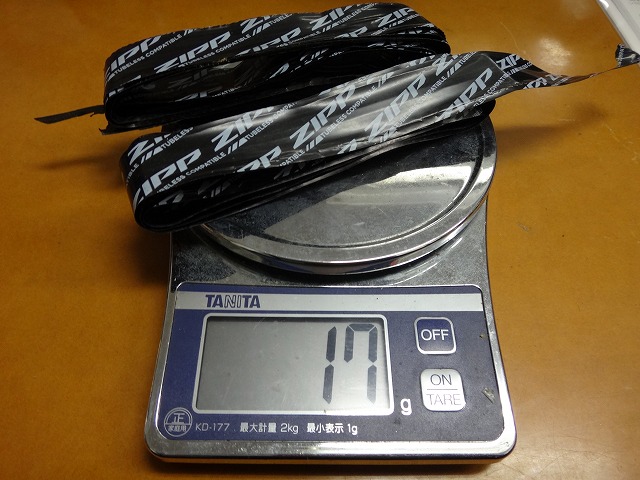
It's unclear whether the claimed weight includes rim tape or not,
but the rim tape I removed weighed 17g.
The rim tape on the Roval Alpinist CLX from the other day
weighed 8g with one wrap (two wraps around the valve hole area),
but this rim tape was wrapped twice (three wraps around the valve hole),
so it's roughly double the weight.
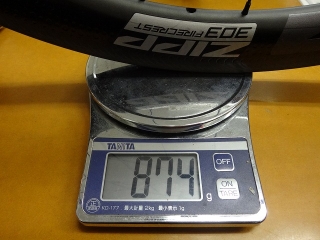
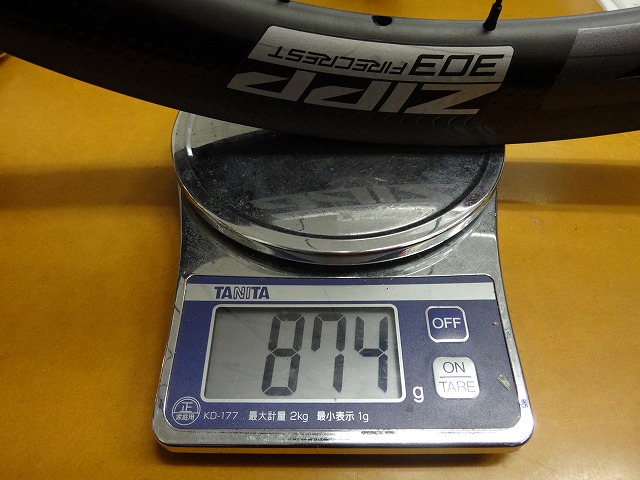
This is the measured weight without rim tape.
The catalog weight is 842g, but perhaps because ZIPP is under the SRAM umbrella,
the claimed weight is specified for when equipped with a SRAM XDR freehub body.
For reference, DT's old Star Ratchet rotor kit
(what DT calls it—a freehub body plus the right-side engagement end set)
has a claimed weight of 57g for Shimano 11-speed, and 46g for SRAM XDR,
so for ZIPP there should be roughly a 10g difference,
which seems reasonable to assume.
Even in that case, if the claimed weight is without rim tape,
there's still about a 20g discrepancy.
This wheel isn't all-black CX-RAY,
but all-black CX Sprint in 4-cross lacing, so to rebuild it
into half-CX Sprint, I only need to change the non-drive side
to CX-RAY 6-cross lacing,
so there's no need to completely disassemble the wheel.
But the conditions of "another wheel day (and so on)" being my personal convenience,
and the customer wanting to know the rim weight,
aligned perfectly for a complete disassembly.
For unknown wheels, measuring the rim inner diameter is necessary
for spoke length calculations,
but this rim isn't actually unknown.


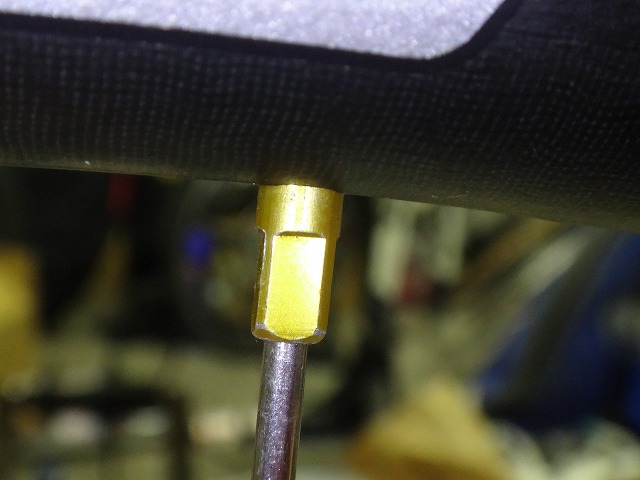
I did measure the rim inner diameter anyway,
and found that the nipple hole thickness varied in places.
In the image above, I'm using a homemade tool to measure rim inner diameter,
and you can see the visibility of the nipple section differs.
Looking from the outside into a hole where the nipple is recessed
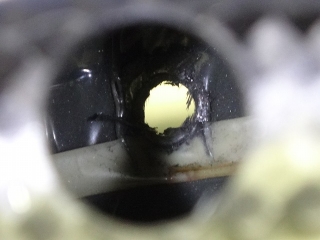
As usual, a balloon was being pinched,
but the balloon thickness isn't enough to
change the nipple protrusion depth.
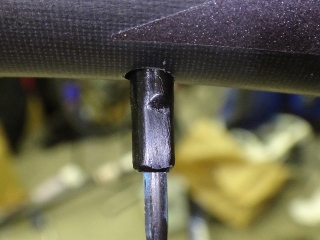
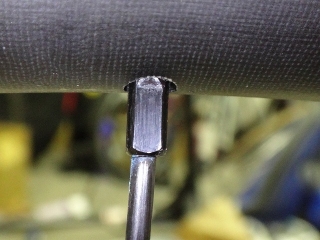
↑The image above is a different hole with average protrusion depth.
The image below is the same hole as before.
Because the nipple is long, the difference isn't as obvious,
but there's still a clear difference.
Also, those previous images were shot from the opposite side of the hole drift direction,
but these top two images are shot from the hole drift direction side,
so you can see the rim hole outline.
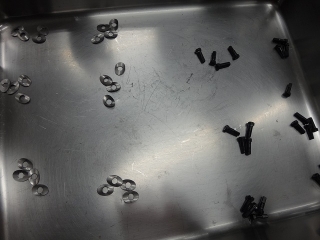
↑Disassembled nipples and nipple washers
Grouping them as 4 each × 6 or 6 each × 4 makes it
visually easy to see if the count is right.
This time I did groups of 4.
This works even for 20H or 32H cases,
but for 24H I sometimes do groups of 6.
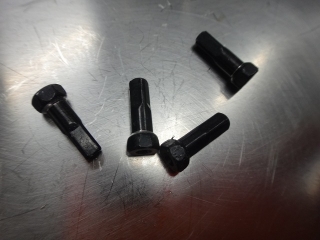
The nipple's hexagonal section on the outer side is shallow,
and even with properly-sized tools (I have 3+ types including ZIPP's genuine tool)
the grip is so shallow it risks stripping.
The tool's edge might be catching on the washer's curvature.
From what I can see of the nipple, the manufacturer
appears to assemble wheels by gripping the outside,
but this nipple has a solid grip point on the inside square
(long vertical span, non-rounded corners), so
most of the reassembly was done gripping from the inside.

The nipple washers were Sapim's new B type, but
one got tensioned at an angle
so I replaced it (the bottom one in the image).
With this washer, depending on how you do the pre-assembly,
it's actually harder to tighten the nipple without aligning
the long direction with the rim's front-to-back direction.
With factory-built wheels, there's less than one mistake
per wheel
(wheels with zero mistakes are pretty common),
but I occasionally see shop hand-built wheels with
a ton of them done wrong.
ZIPP's example (→here)
Stupid example (→here)

Built.
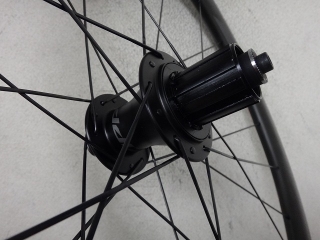
I changed the non-drive side from CX Sprint
4-cross to CX-RAY 6-cross.
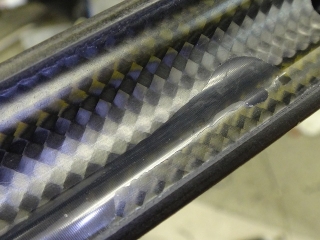
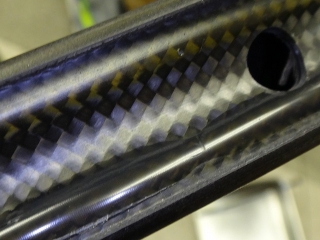
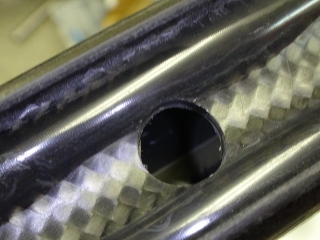
From when the original ZIPP-marked rim tape
was applied, I could see it was already raised up,
and there's a hard, adhesive-like material
built up in places on the rim's outer edge.
At the inspection stage, for some reason (to fill voids?),
it looks like they visually inspected and manually applied
epoxy adhesive from something like a toothpaste tube,
squirting it on there. I don't know the actual situation though.
This time, at the customer's request, I weighed the rim,
but just to be clear: only the wheel's owner has
the right to know that information.
I could tell them, of course,
but I didn't say I would.
↑wow this guy's got a bad attitude
Sorry for the wait!

Please look at this image!
↑No way!
A customer brought in a ZIPP 303 rear wheel for me to work on.
It's set up for rim brakes.
They feel the current rear wheel they're using is a bit loose (and they're not wrong),
so they want it rebuilt.
That wheel too, though it's not a ZIPP,
is a factory-built wheel from some brand that I rebuilt myself.
They mentioned that the actual measured weight of the wheel is heavier than the catalog weight,
so I looked into it.
It's unclear whether the claimed weight includes rim tape or not,
but the rim tape I removed weighed 17g.
The rim tape on the Roval Alpinist CLX from the other day
weighed 8g with one wrap (two wraps around the valve hole area),
but this rim tape was wrapped twice (three wraps around the valve hole),
so it's roughly double the weight.
This is the measured weight without rim tape.
The catalog weight is 842g, but perhaps because ZIPP is under the SRAM umbrella,
the claimed weight is specified for when equipped with a SRAM XDR freehub body.
For reference, DT's old Star Ratchet rotor kit
(what DT calls it—a freehub body plus the right-side engagement end set)
has a claimed weight of 57g for Shimano 11-speed, and 46g for SRAM XDR,
so for ZIPP there should be roughly a 10g difference,
which seems reasonable to assume.
Even in that case, if the claimed weight is without rim tape,
there's still about a 20g discrepancy.
This wheel isn't all-black CX-RAY,
but all-black CX Sprint in 4-cross lacing, so to rebuild it
into half-CX Sprint, I only need to change the non-drive side
to CX-RAY 6-cross lacing,
so there's no need to completely disassemble the wheel.
But the conditions of "another wheel day (and so on)" being my personal convenience,
and the customer wanting to know the rim weight,
aligned perfectly for a complete disassembly.
For unknown wheels, measuring the rim inner diameter is necessary
for spoke length calculations,
but this rim isn't actually unknown.

I did measure the rim inner diameter anyway,
and found that the nipple hole thickness varied in places.
In the image above, I'm using a homemade tool to measure rim inner diameter,
and you can see the visibility of the nipple section differs.
Looking from the outside into a hole where the nipple is recessed

As usual, a balloon was being pinched,
but the balloon thickness isn't enough to
change the nipple protrusion depth.
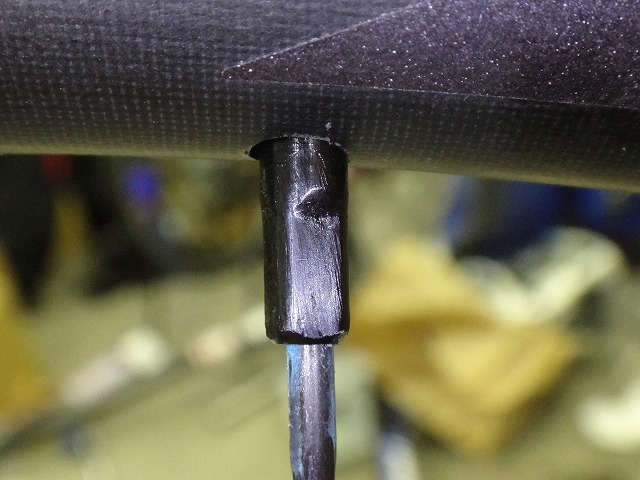
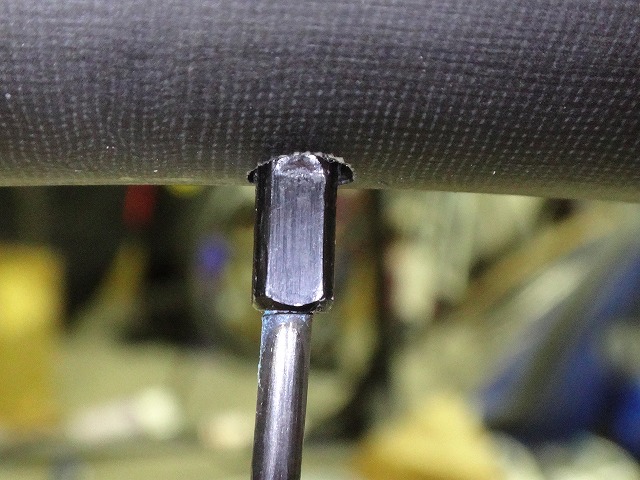
↑The image above is a different hole with average protrusion depth.
The image below is the same hole as before.
Because the nipple is long, the difference isn't as obvious,
but there's still a clear difference.
Also, those previous images were shot from the opposite side of the hole drift direction,
but these top two images are shot from the hole drift direction side,
so you can see the rim hole outline.

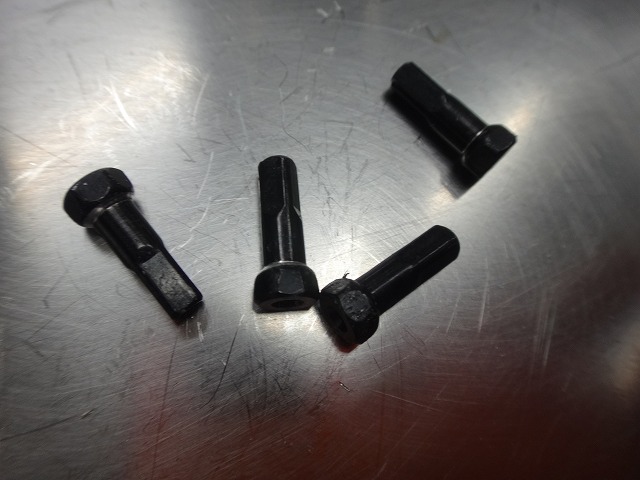
↑Disassembled nipples and nipple washers
Grouping them as 4 each × 6 or 6 each × 4 makes it
visually easy to see if the count is right.
This time I did groups of 4.
This works even for 20H or 32H cases,
but for 24H I sometimes do groups of 6.
The nipple's hexagonal section on the outer side is shallow,
and even with properly-sized tools (I have 3+ types including ZIPP's genuine tool)
the grip is so shallow it risks stripping.
The tool's edge might be catching on the washer's curvature.
From what I can see of the nipple, the manufacturer
appears to assemble wheels by gripping the outside,
but this nipple has a solid grip point on the inside square
(long vertical span, non-rounded corners), so
most of the reassembly was done gripping from the inside.
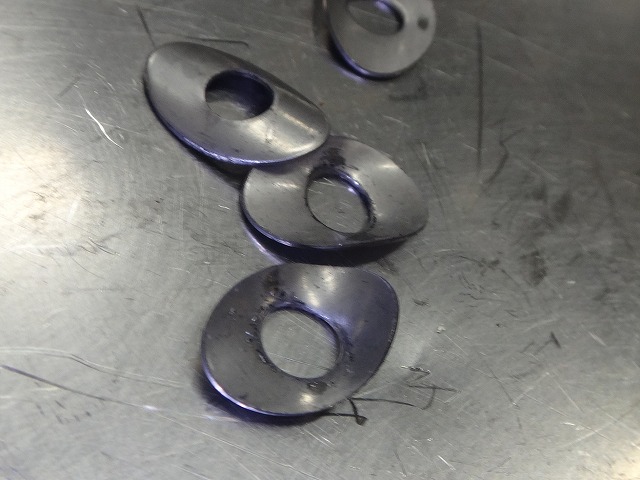
The nipple washers were Sapim's new B type, but
one got tensioned at an angle
so I replaced it (the bottom one in the image).
With this washer, depending on how you do the pre-assembly,
it's actually harder to tighten the nipple without aligning
the long direction with the rim's front-to-back direction.
With factory-built wheels, there's less than one mistake
per wheel
(wheels with zero mistakes are pretty common),
but I occasionally see shop hand-built wheels with
a ton of them done wrong.
ZIPP's example (→here)
Stupid example (→here)

Built.
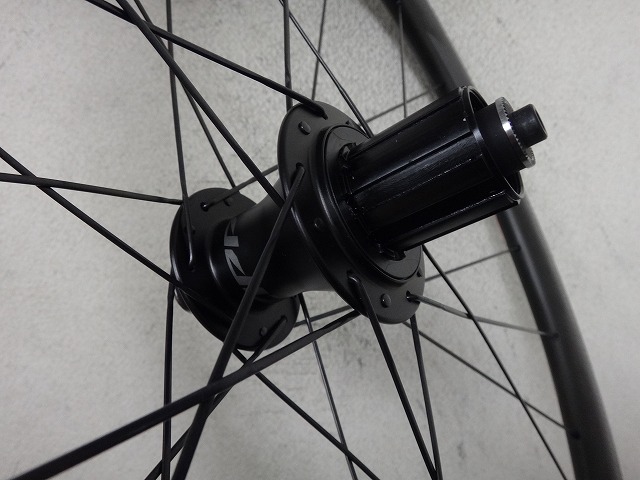
I changed the non-drive side from CX Sprint
4-cross to CX-RAY 6-cross.
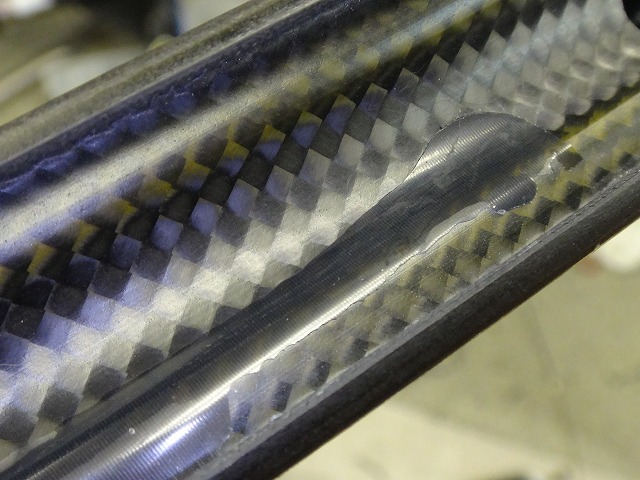
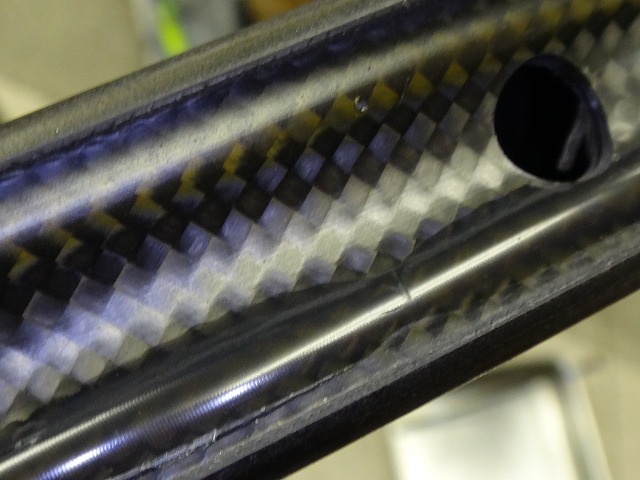
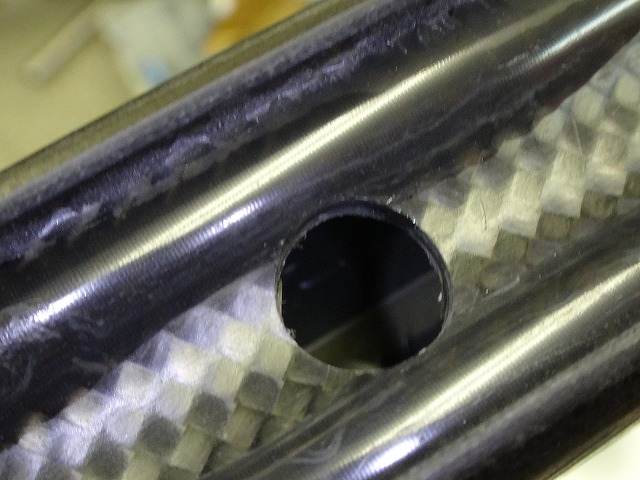
From when the original ZIPP-marked rim tape
was applied, I could see it was already raised up,
and there's a hard, adhesive-like material
built up in places on the rim's outer edge.
At the inspection stage, for some reason (to fill voids?),
it looks like they visually inspected and manually applied
epoxy adhesive from something like a toothpaste tube,
squirting it on there. I don't know the actual situation though.
This time, at the customer's request, I weighed the rim,
but just to be clear: only the wheel's owner has
the right to know that information.
I could tell them, of course,
but I didn't say I would.
↑wow this guy's got a bad attitude

Sorry for the wait!

Please look at this image!
↑No way!