Previously I wrote about how DT's Star Ratchet grease switched from a cylindrical plastic container (25ml) to a tube container (20g), and since the units were different, I couldn't tell if the amount increased or decreased. I decided to investigate this properly.
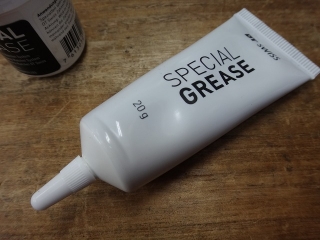
This is the current Star Ratchet grease product.
As you can see, it's a tube container labeled 20g.
Compared to the old container, this one allows grease to be applied to the ratchet teeth with less waste.
Strictly speaking, you can't use the very last bit with either container, so there's no need to worry about that.
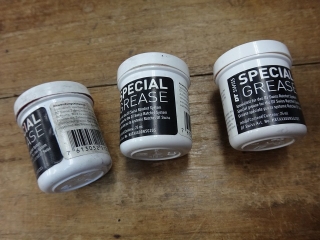
This is the old discontinued container.
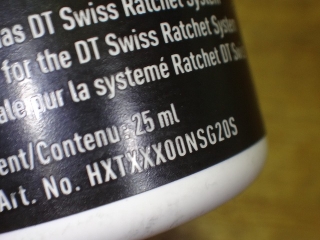
It's labeled 25ml.

We have an unused old container in stock, and I needed this for verification.
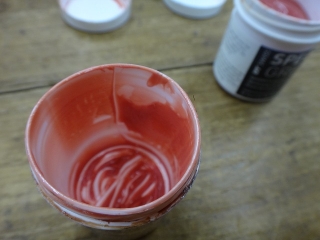
I also had the old container mentioned earlier that wasn't completely used up. I washed it and weighed it on a scale with 0.1g precision.
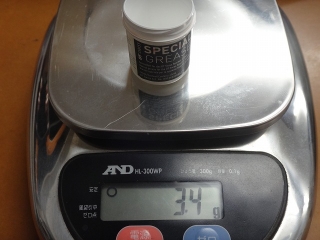
It was 3.4g.

I zeroed the scale in that state.
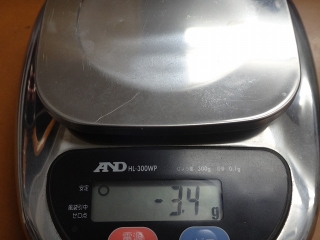
When I removed the container, it naturally read -3.4g. Then I placed the new 25ml container on the scale.
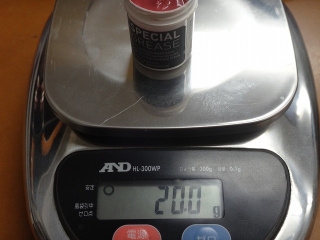
It was exactly 20g!
There's no error to even 0.1g, but this isn't a setup, I assure you.
DT products have gone up in price due to exchange rates since the old container period, but when the old container was replaced with the current one, they didn't raise the price — they kept it the same. So the content amount didn't change, just the container. Well done!
While I was at it, I decided to investigate something I'd been wanting to look into for a while: the specific gravity of sealants. Whether they're lighter than water, heavier than water, or about the same — for example, "is 30ml about 30g?"
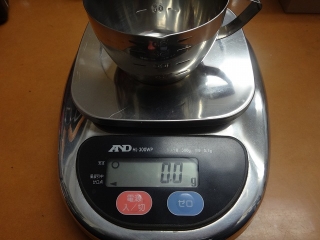
This is a stainless steel measuring cup I usually use for disc brake oil.
It weighs 59.1g, and I zeroed the scale with it on the pan.
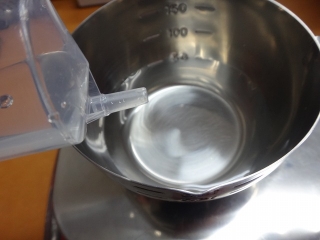
I carefully added water with a syringe.
Toward the end, I added it drop by drop.
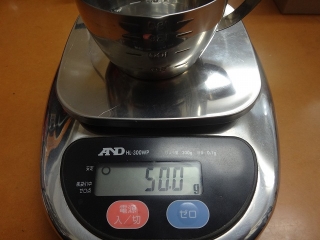
Until it reached 50.0g.
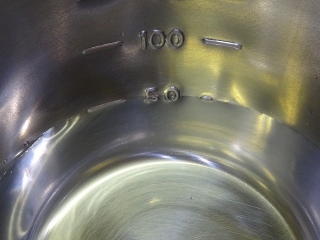
Since it's water, it naturally reaches the 50ml mark on the cup.
The measuring cup might be marked in cc, but since there was no unit label, I'll use ml going forward.
Due to the table's tilt or the shape of the scale's surface, it's not perfectly level. The left side of the 50ml mark is slightly higher, and you can barely see the line. Going forward, I'll pour the sealants just as carefully to reach the 50ml mark this way. Of course, I'm washing and wiping the measuring cup each time.
First, Stans' tire sealant.
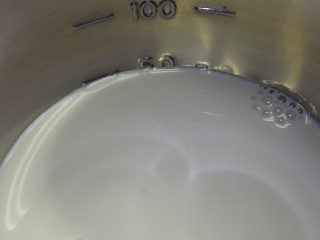
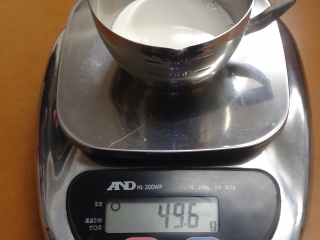
It seems to be about the same as water.
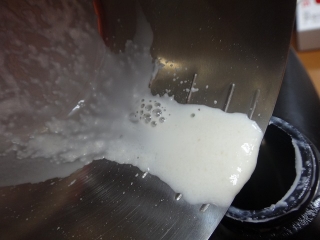
When pouring it back into the container, fibrous clumps remained in the cup.
This is what Stans calls "Sealing Crystals."
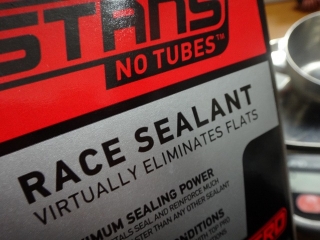
Next, Stans' Race sealant.
Compared to their tire sealant, it contains roughly twice the amount of crystals and "XL" crystals that can seal larger puncture holes.
It's certainly extremely effective, but the time it takes to become completely clumped inside the tire is also short, so you need to choose between their tire sealant and race sealant depending on the situation.
We use it in cases like "need sealant urgently for tomorrow's race" when there's no room to observe how the sealant works over time.
If you try to inject it with an injector, it'll clog, so you need to pour it directly into the tire.
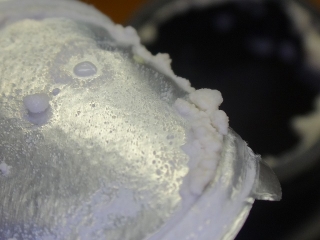
Even though it's new, when I peeled back the seal,
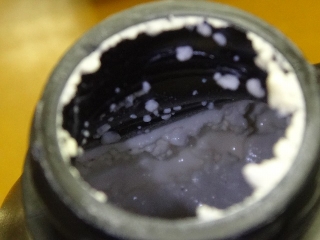
the crystals had hardened inside the container.
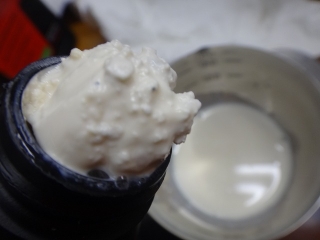
When I tried to pour it into the measuring cup without the red cap, crystal clumps flew out, so I poured it through the cap instead, trying to get only the liquid sealant.
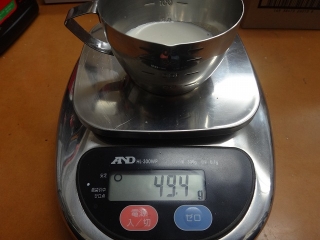
It's about the same weight as the tire sealant.
It's 0.2g lighter than before, which is probably my pouring error.
However, it does seem to be slightly lighter than water.
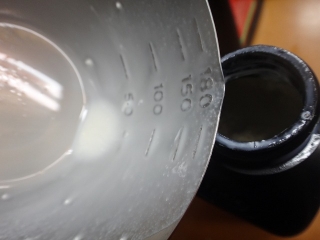
I poured it back into the container.
There are fewer crystals left in the cup than with the tire sealant because I was careful to pour only the clear liquid on top when pouring the race sealant.
But those speckled clumps remaining in the cup might be the XL crystals (I'm not certain).

Race sealant, the crystals settle to the bottom of the container, so you shake it well before use, but you still can't use it completely cleanly.
When I cut open a used-up race sealant container,
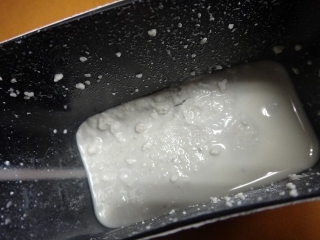
the crystals are hardened at the bottom like this.
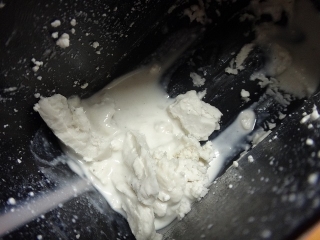
When I tried to scrape them out with my finger, the inside was dried out and very hard, like papier-mâché.
To use it completely without waste, you'd need to scrape the bottom with something hard before use.
Even though this happened after I shook it well knowing this would happen, the amount of sediment is on the smaller side.
Without shaking at all, a layer of 3-4cm or more accumulates at the bottom.

I put this crystal into the measuring cup without exceeding the 50ml mark, then poured race sealant up to the 50ml line.
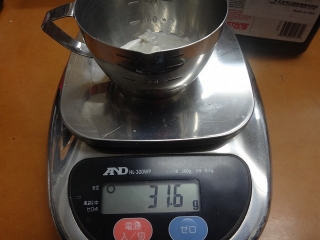
↑Crystals only
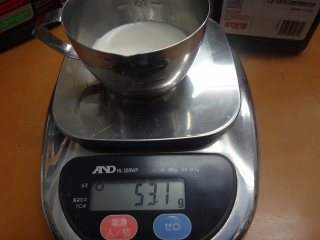
It clearly exceeded 50g.
Since the crystals don't float in the sealant but sink, their specific gravity is definitely higher than the sealant, and this is reflected in the numbers.
With tire sealant too, if you shake it well, it's possible to exceed 50g at 50ml.
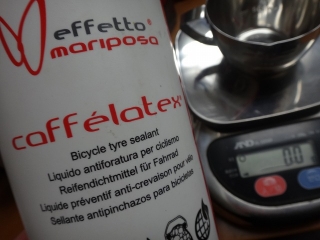
Next, Effetto Mariposa's Cafélatex.
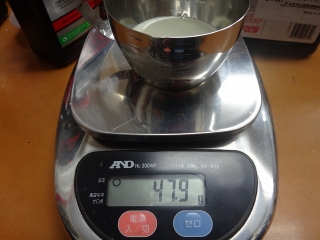
I poured it quite carefully.
It seems to be slightly lighter than the liquid part of Stans' sealant.
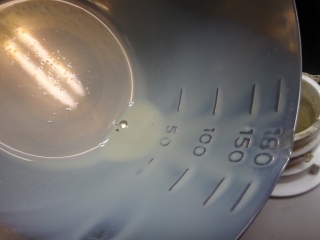
I poured the sealant back into the container.
Unlike Stans, it doesn't use crystals to seal punctures, so there are no clumps in the liquid left in the cup.
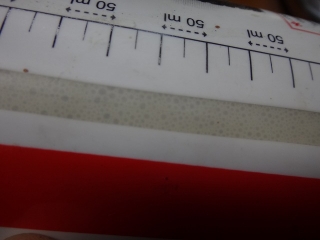
I capped the container and shook it.
Unlike Stans, the liquid sloshed only on the first shake. After that, the contents foamed up and the sensation changed to something like it was completely filled to the brim or even solid-like.
Even when shaking the container, there's no feeling of heavy material moving inside — it becomes like a uniform clump.

I poured it up to the 50ml mark.
The 0.3g difference is probably due to my pouring error.
I could even deliberately adjust it to 47.9g, but I decided on "looking at the numbers after thinking I've poured 50ml accurately," which is why I got this result.
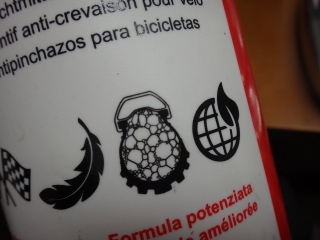
The sealant is now foaming inside the container, as shown in the tire illustration on the container.
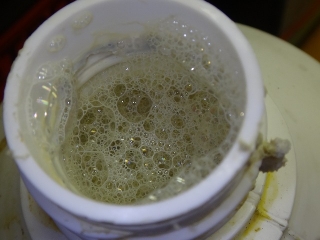
Originally it was about half full, but now foam has risen to near the container opening.
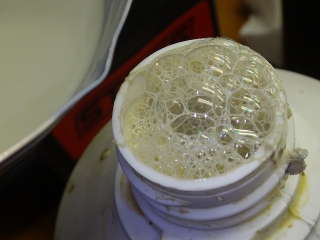
A little bit of pouring caused it to spill from the container, so
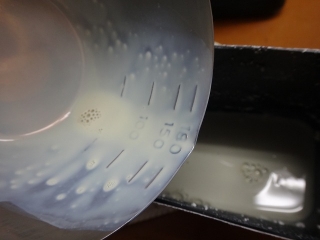
it's a waste, but I discarded it into the cut-open race sealant container from before.
The clump-like things that weren't there before shaking are just small bubbles and haven't become actual clumps.
We don't normally use Cafélatex at our shop, but we keep it in stock because sometimes when there's already Cafélatex inside a tire, we need to top it off.
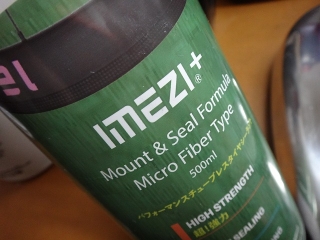
Finally, Imaje.
Imaje sealant is excellent in that it washes away easily with water even after long use, but because the original effectiveness is weaker, we only stock the version with black particles called microfiber, which is more effective.
It's the same price as the standard Thin model.
Thin means thin, by the way. Not sin (original sin).
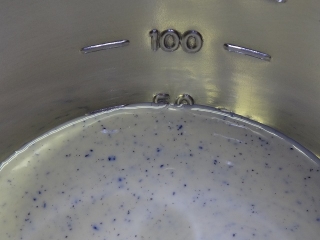
I poured carefully so that "the 50ml mark on the cup placed in the center of the scale's pan was only readable on the left side."
With its thick, viscous texture, I thought it might be heavier than water,
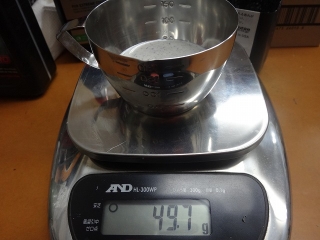
but it was about the same as water.
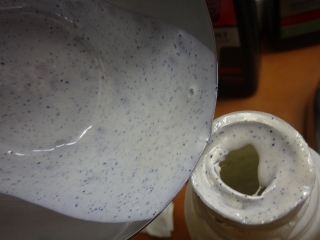
I poured it back into the container.
Within the range of sealants we keep in stock, Cafélatex was slightly lighter, but roughly speaking, all of them seem to be "about 1g per 1ml."
If we can keep the tire injection amount to 50ml or less, it'll be lighter than Maxxis' Flyweight, the lightest butyl tube (claimed 51g, measured 51-53g), and if we can scrimp it to 30ml, it can be equivalent to polyurethane tubes. The reason for scrimp is cost, of course — it's for weight reduction.

This is the current Star Ratchet grease product.
As you can see, it's a tube container labeled 20g.
Compared to the old container, this one allows grease to be applied to the ratchet teeth with less waste.
Strictly speaking, you can't use the very last bit with either container, so there's no need to worry about that.
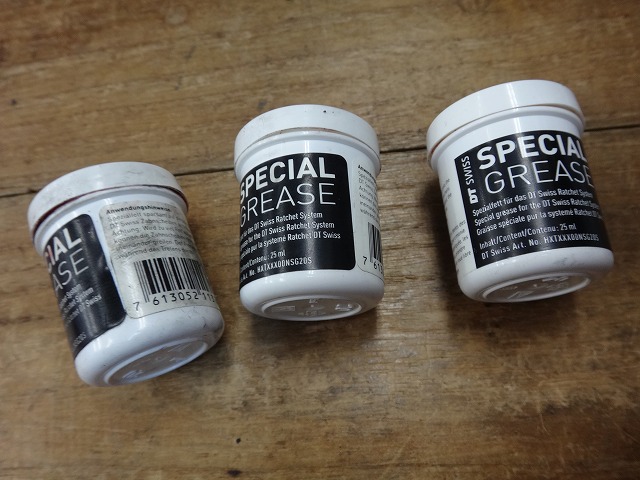
This is the old discontinued container.
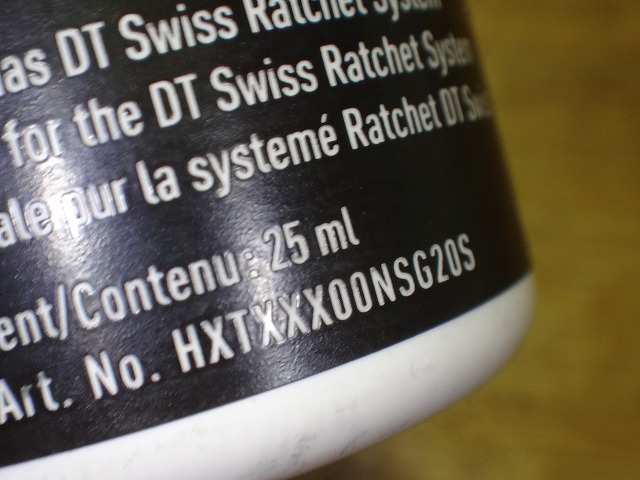
It's labeled 25ml.
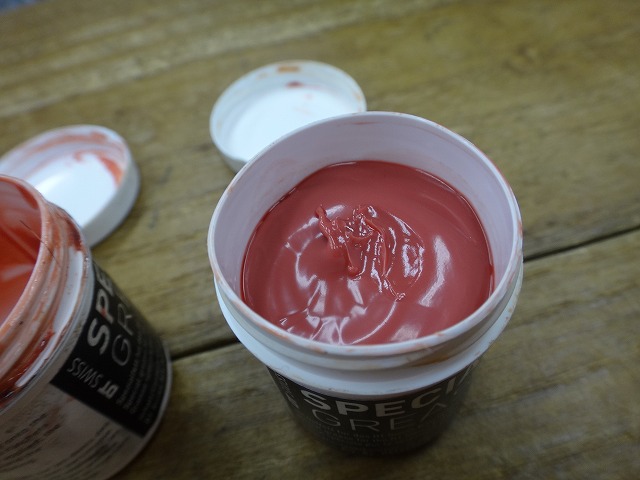
We have an unused old container in stock, and I needed this for verification.
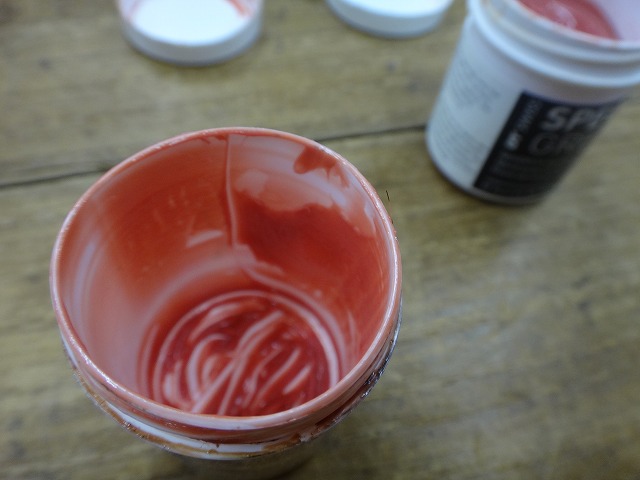
I also had the old container mentioned earlier that wasn't completely used up. I washed it and weighed it on a scale with 0.1g precision.
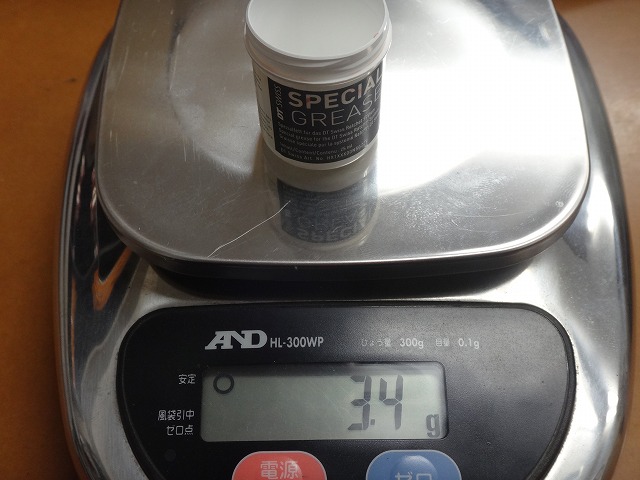
It was 3.4g.
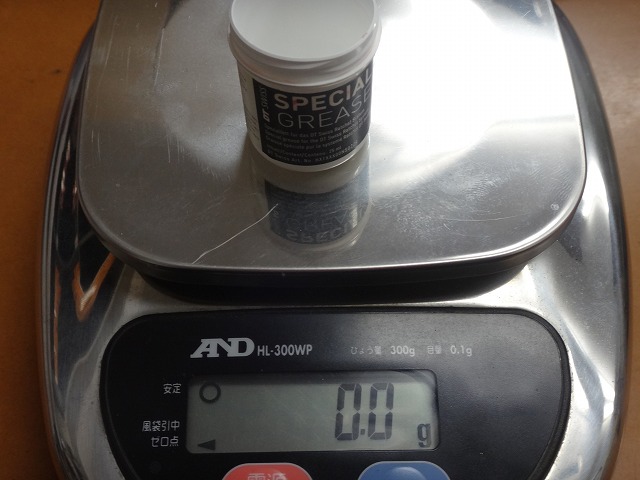
I zeroed the scale in that state.
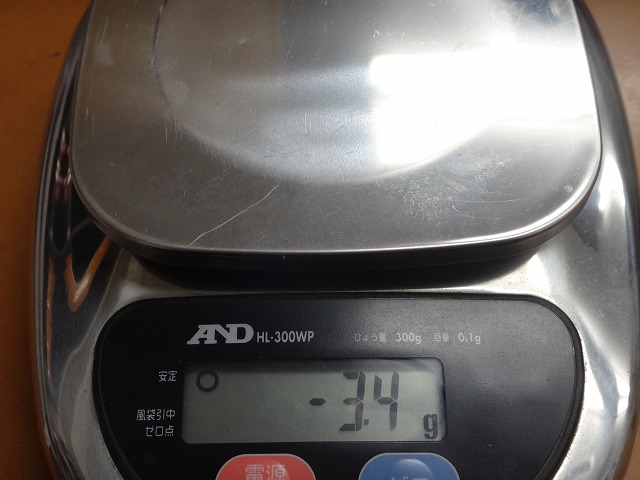
When I removed the container, it naturally read -3.4g. Then I placed the new 25ml container on the scale.

It was exactly 20g!
There's no error to even 0.1g, but this isn't a setup, I assure you.
DT products have gone up in price due to exchange rates since the old container period, but when the old container was replaced with the current one, they didn't raise the price — they kept it the same. So the content amount didn't change, just the container. Well done!
While I was at it, I decided to investigate something I'd been wanting to look into for a while: the specific gravity of sealants. Whether they're lighter than water, heavier than water, or about the same — for example, "is 30ml about 30g?"
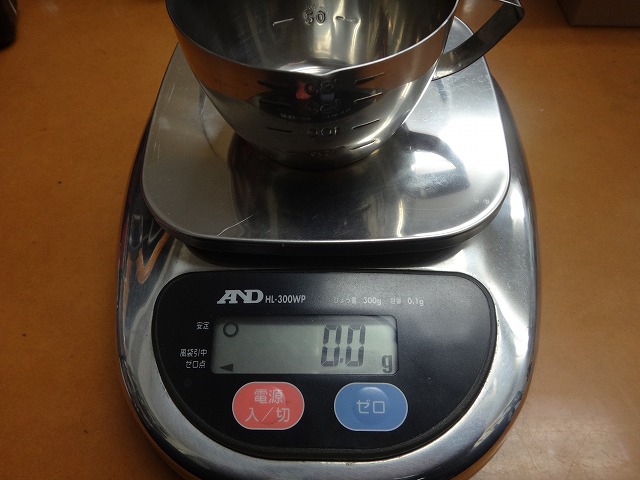
This is a stainless steel measuring cup I usually use for disc brake oil.
It weighs 59.1g, and I zeroed the scale with it on the pan.
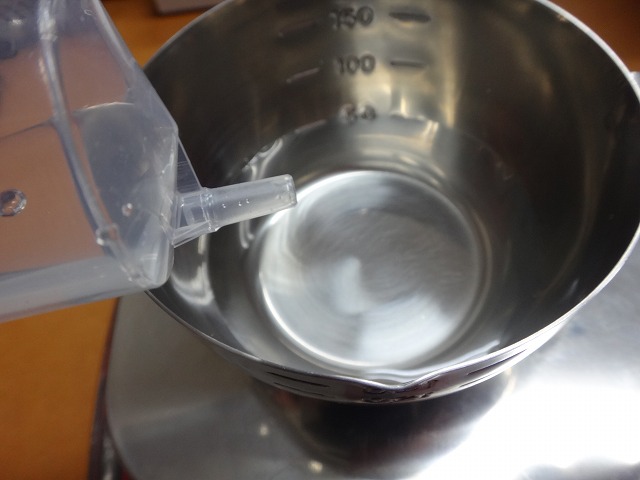
I carefully added water with a syringe.
Toward the end, I added it drop by drop.
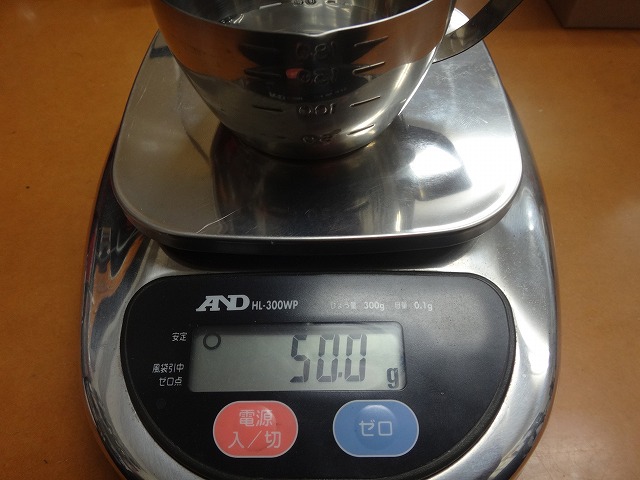
Until it reached 50.0g.
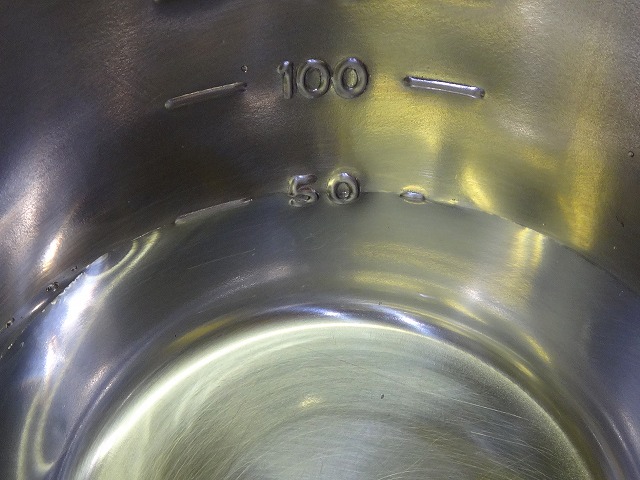
Since it's water, it naturally reaches the 50ml mark on the cup.
The measuring cup might be marked in cc, but since there was no unit label, I'll use ml going forward.
Due to the table's tilt or the shape of the scale's surface, it's not perfectly level. The left side of the 50ml mark is slightly higher, and you can barely see the line. Going forward, I'll pour the sealants just as carefully to reach the 50ml mark this way. Of course, I'm washing and wiping the measuring cup each time.
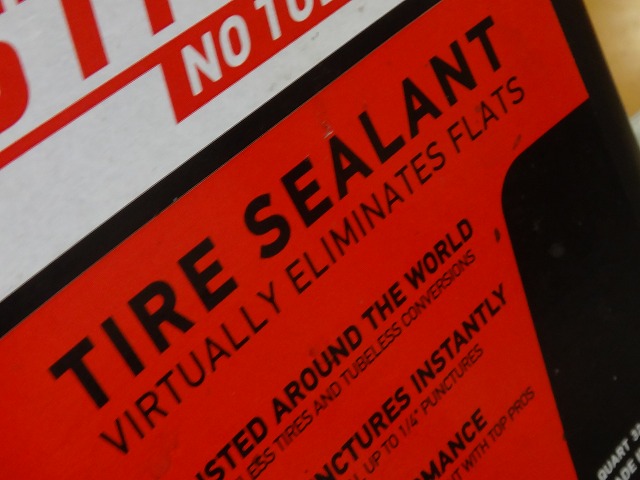
First, Stans' tire sealant.
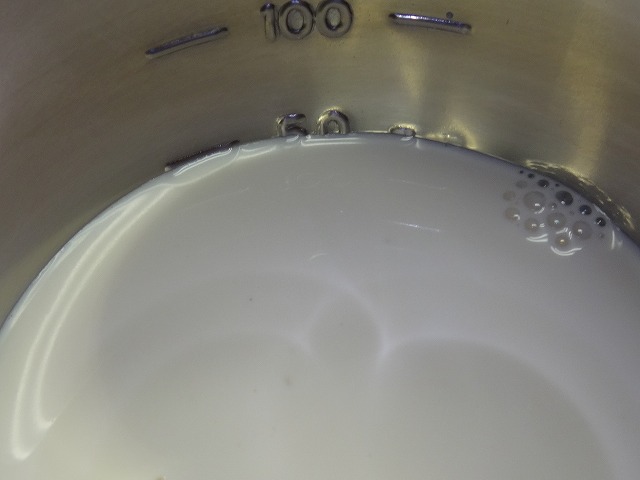
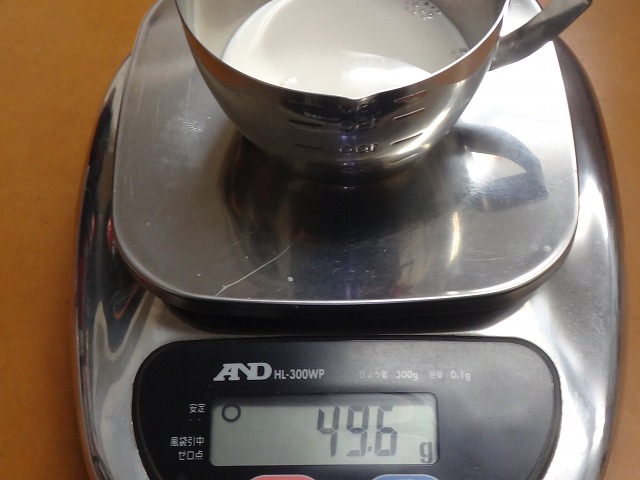
It seems to be about the same as water.
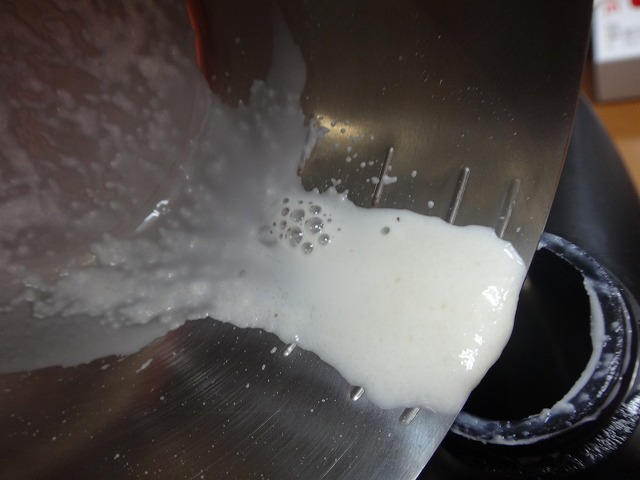
When pouring it back into the container, fibrous clumps remained in the cup.
This is what Stans calls "Sealing Crystals."
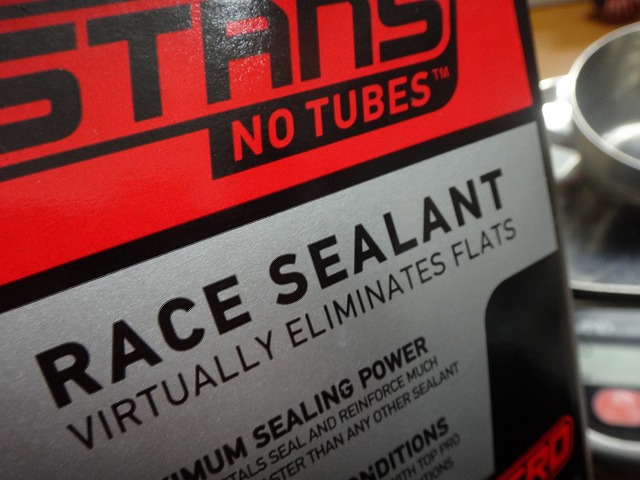
Next, Stans' Race sealant.
Compared to their tire sealant, it contains roughly twice the amount of crystals and "XL" crystals that can seal larger puncture holes.
It's certainly extremely effective, but the time it takes to become completely clumped inside the tire is also short, so you need to choose between their tire sealant and race sealant depending on the situation.
We use it in cases like "need sealant urgently for tomorrow's race" when there's no room to observe how the sealant works over time.
If you try to inject it with an injector, it'll clog, so you need to pour it directly into the tire.
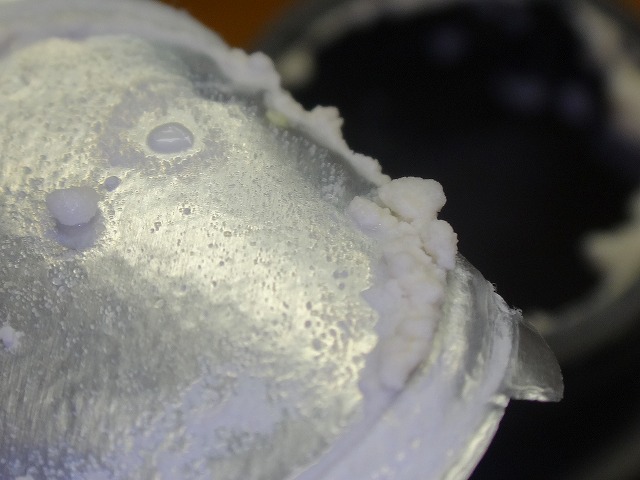
Even though it's new, when I peeled back the seal,
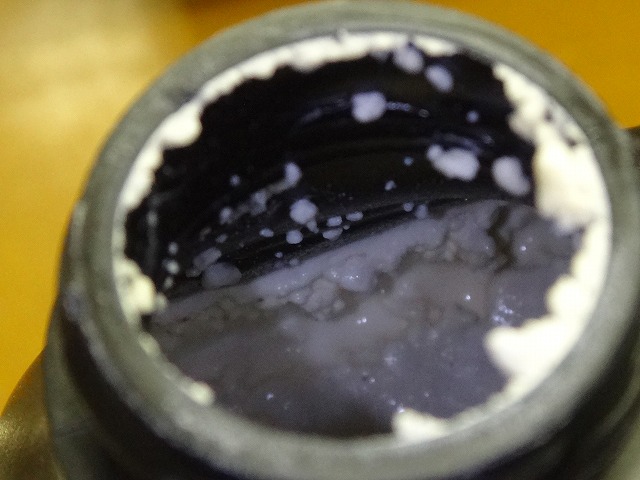
the crystals had hardened inside the container.

When I tried to pour it into the measuring cup without the red cap, crystal clumps flew out, so I poured it through the cap instead, trying to get only the liquid sealant.
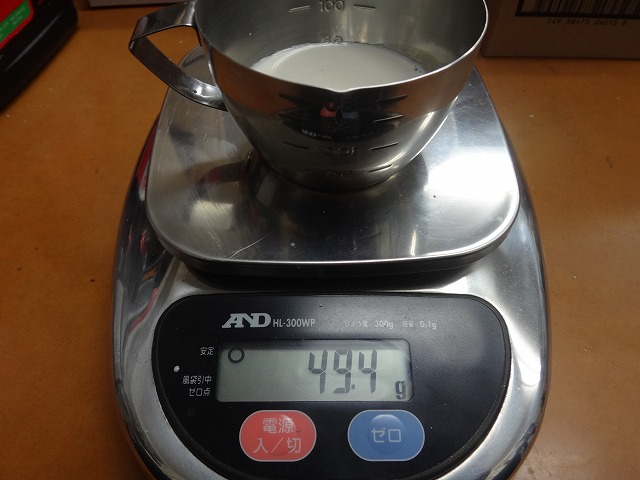
It's about the same weight as the tire sealant.
It's 0.2g lighter than before, which is probably my pouring error.
However, it does seem to be slightly lighter than water.
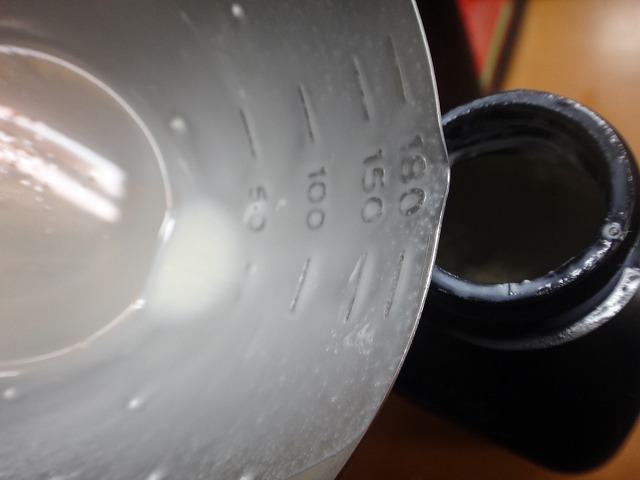
I poured it back into the container.
There are fewer crystals left in the cup than with the tire sealant because I was careful to pour only the clear liquid on top when pouring the race sealant.
But those speckled clumps remaining in the cup might be the XL crystals (I'm not certain).
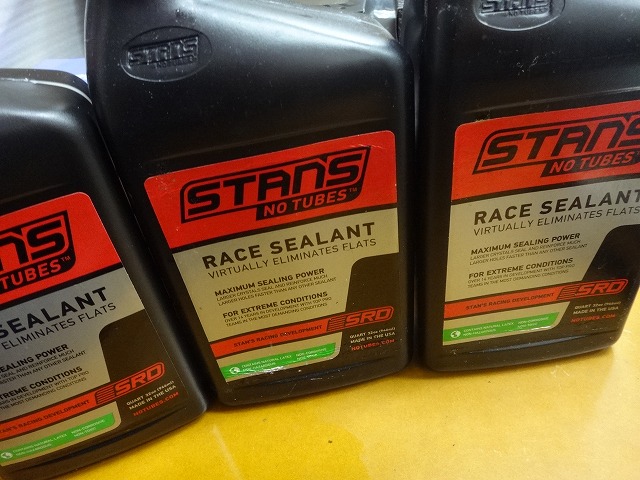
Race sealant, the crystals settle to the bottom of the container, so you shake it well before use, but you still can't use it completely cleanly.
When I cut open a used-up race sealant container,
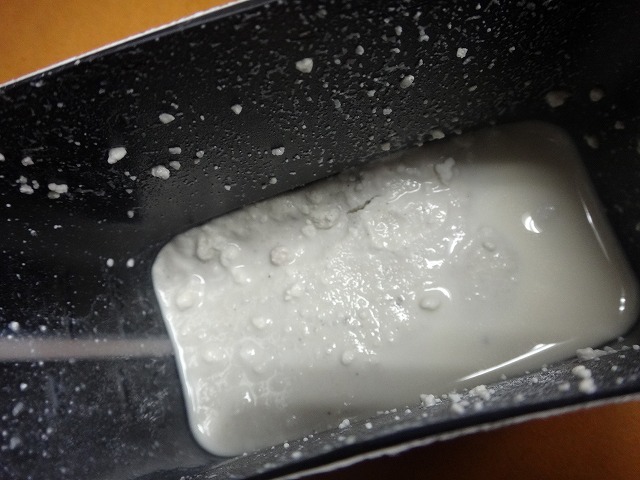
the crystals are hardened at the bottom like this.
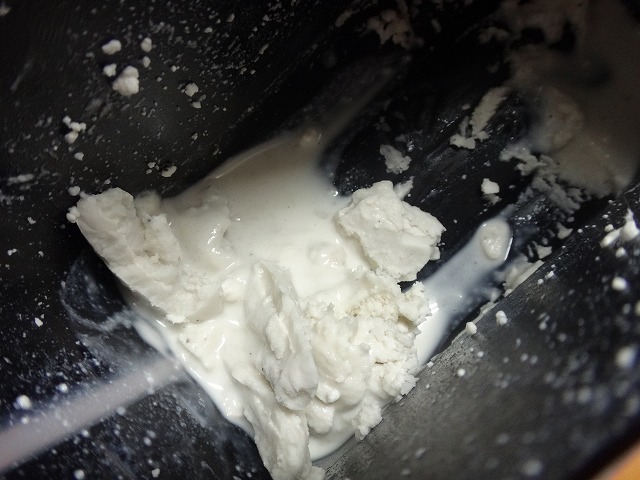
When I tried to scrape them out with my finger, the inside was dried out and very hard, like papier-mâché.
To use it completely without waste, you'd need to scrape the bottom with something hard before use.
Even though this happened after I shook it well knowing this would happen, the amount of sediment is on the smaller side.
Without shaking at all, a layer of 3-4cm or more accumulates at the bottom.
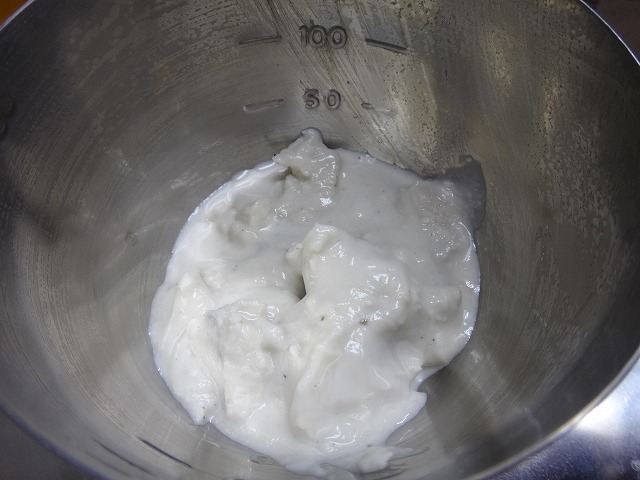
I put this crystal into the measuring cup without exceeding the 50ml mark, then poured race sealant up to the 50ml line.

↑Crystals only
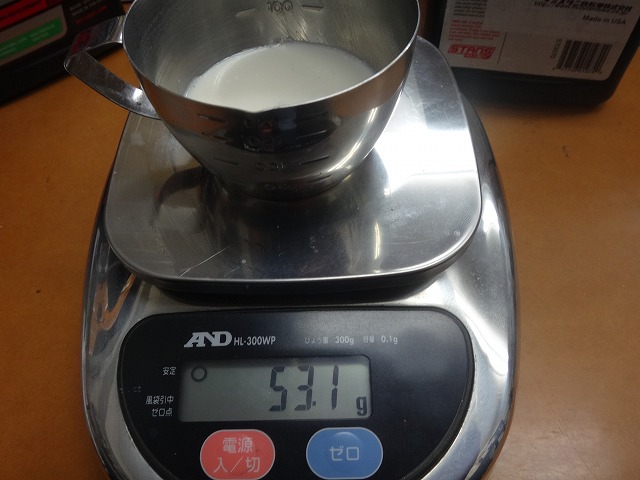
It clearly exceeded 50g.
Since the crystals don't float in the sealant but sink, their specific gravity is definitely higher than the sealant, and this is reflected in the numbers.
With tire sealant too, if you shake it well, it's possible to exceed 50g at 50ml.
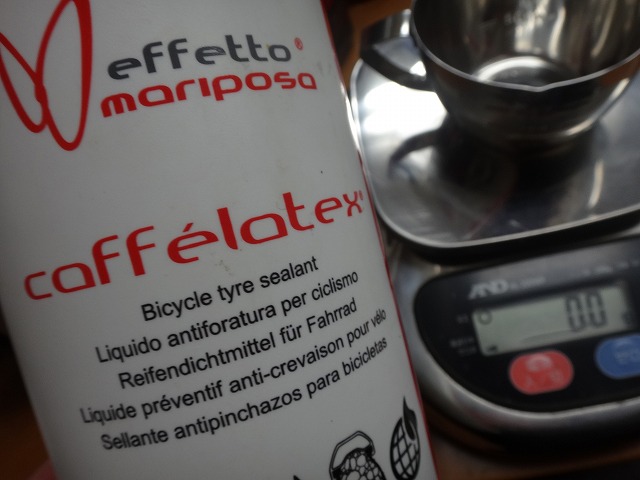
Next, Effetto Mariposa's Cafélatex.
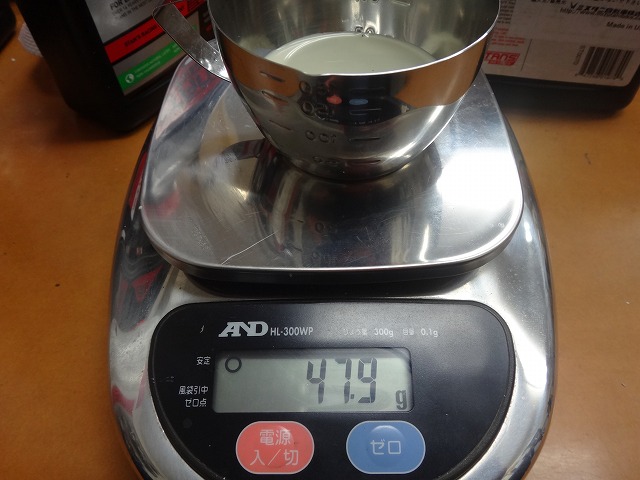
I poured it quite carefully.
It seems to be slightly lighter than the liquid part of Stans' sealant.
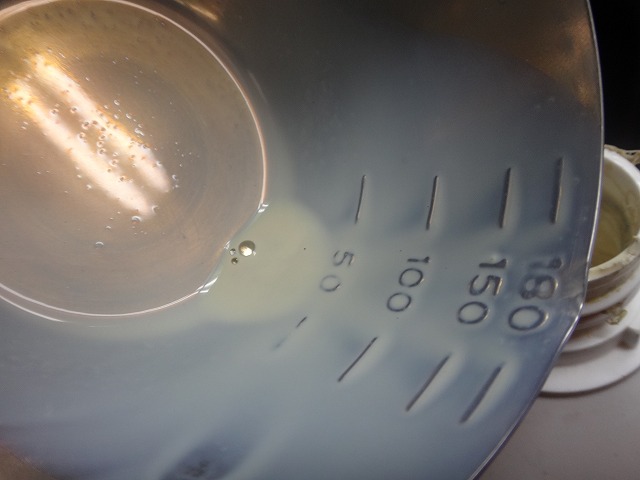
I poured the sealant back into the container.
Unlike Stans, it doesn't use crystals to seal punctures, so there are no clumps in the liquid left in the cup.
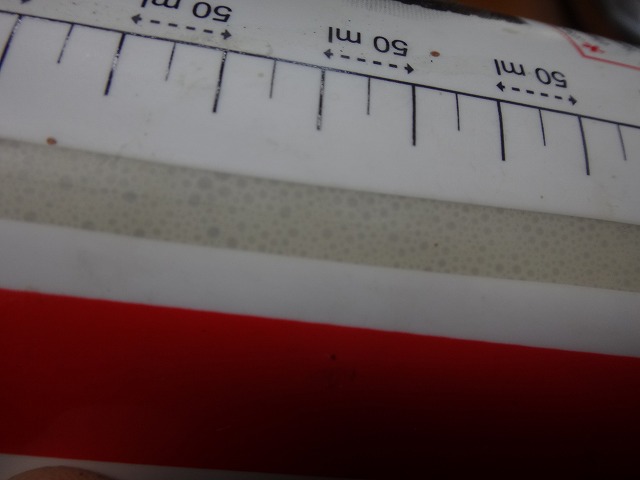
I capped the container and shook it.
Unlike Stans, the liquid sloshed only on the first shake. After that, the contents foamed up and the sensation changed to something like it was completely filled to the brim or even solid-like.
Even when shaking the container, there's no feeling of heavy material moving inside — it becomes like a uniform clump.
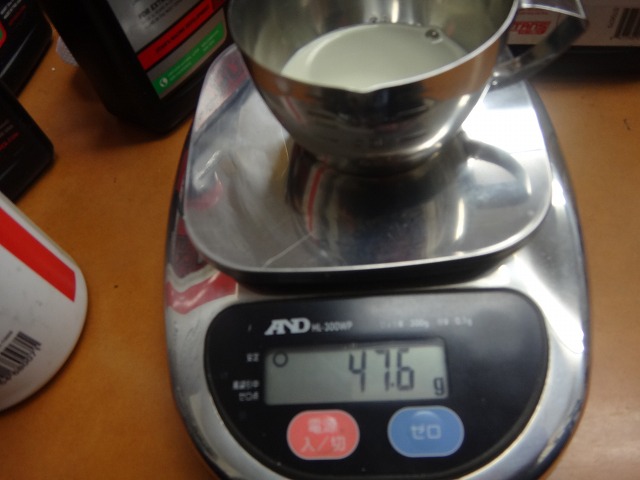
I poured it up to the 50ml mark.
The 0.3g difference is probably due to my pouring error.
I could even deliberately adjust it to 47.9g, but I decided on "looking at the numbers after thinking I've poured 50ml accurately," which is why I got this result.
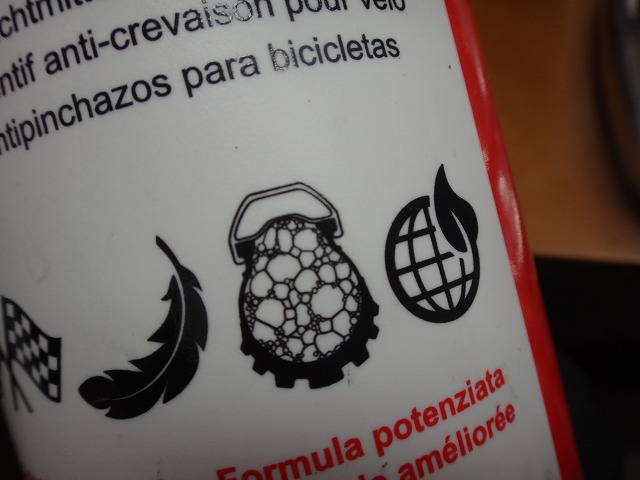
The sealant is now foaming inside the container, as shown in the tire illustration on the container.
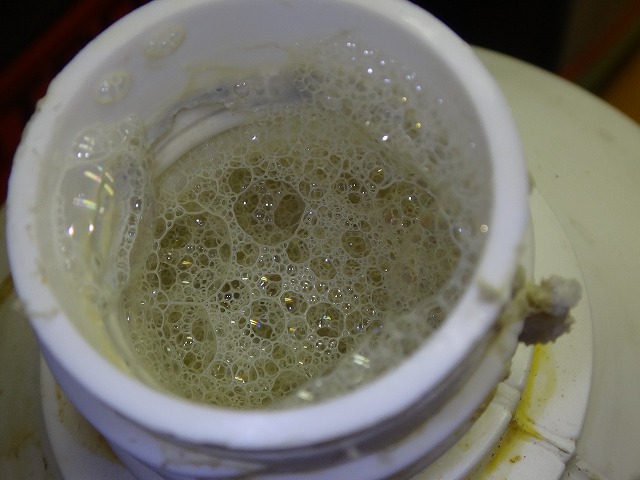
Originally it was about half full, but now foam has risen to near the container opening.
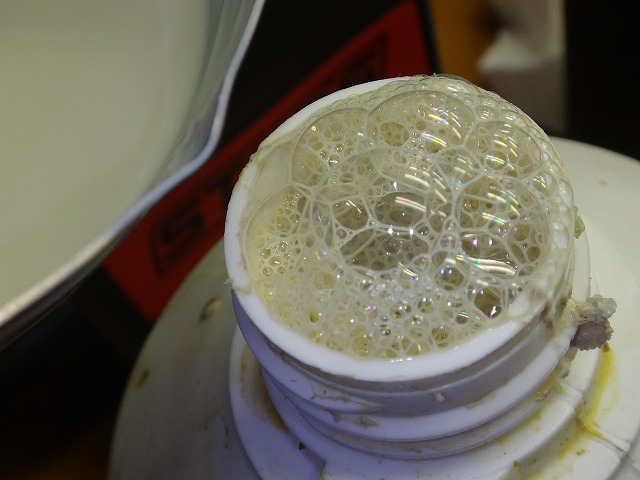
A little bit of pouring caused it to spill from the container, so
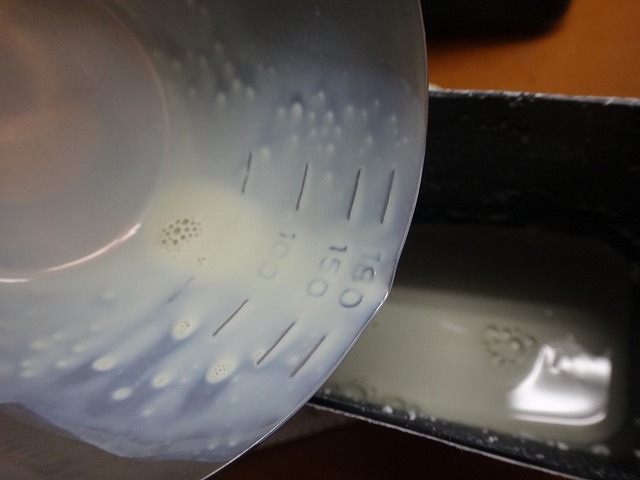
it's a waste, but I discarded it into the cut-open race sealant container from before.
The clump-like things that weren't there before shaking are just small bubbles and haven't become actual clumps.
We don't normally use Cafélatex at our shop, but we keep it in stock because sometimes when there's already Cafélatex inside a tire, we need to top it off.
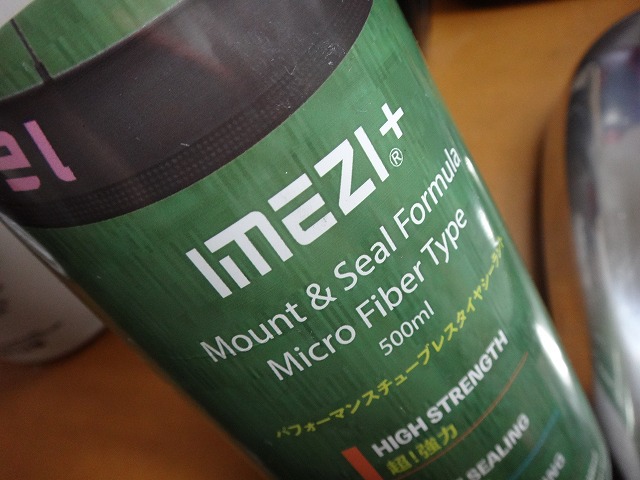
Finally, Imaje.
Imaje sealant is excellent in that it washes away easily with water even after long use, but because the original effectiveness is weaker, we only stock the version with black particles called microfiber, which is more effective.
It's the same price as the standard Thin model.
Thin means thin, by the way. Not sin (original sin).
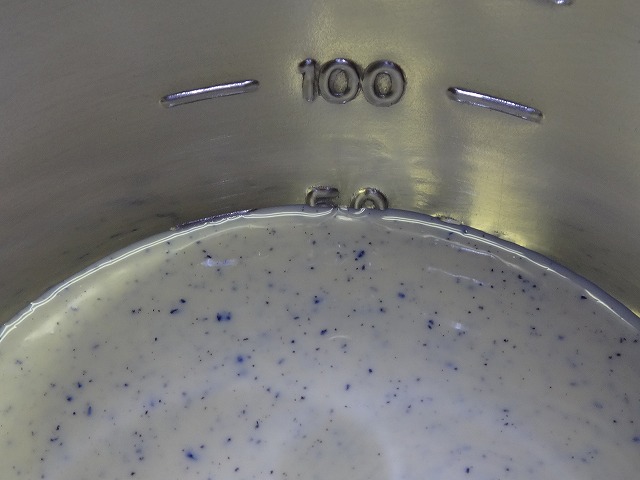
I poured carefully so that "the 50ml mark on the cup placed in the center of the scale's pan was only readable on the left side."
With its thick, viscous texture, I thought it might be heavier than water,
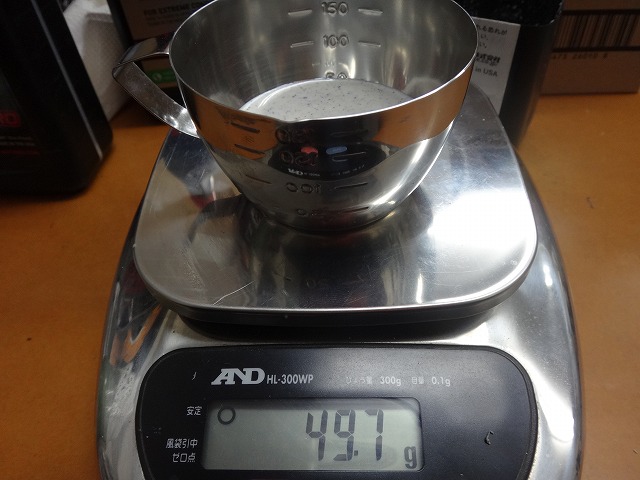
but it was about the same as water.
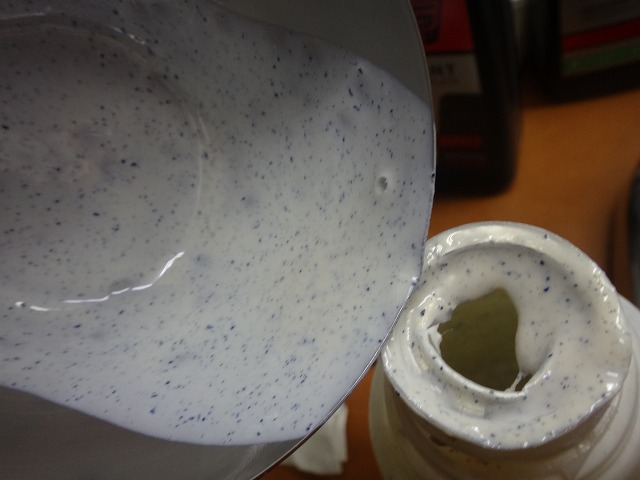
I poured it back into the container.
Within the range of sealants we keep in stock, Cafélatex was slightly lighter, but roughly speaking, all of them seem to be "about 1g per 1ml."
If we can keep the tire injection amount to 50ml or less, it'll be lighter than Maxxis' Flyweight, the lightest butyl tube (claimed 51g, measured 51-53g), and if we can scrimp it to 30ml, it can be equivalent to polyurethane tubes. The reason for scrimp is cost, of course — it's for weight reduction.