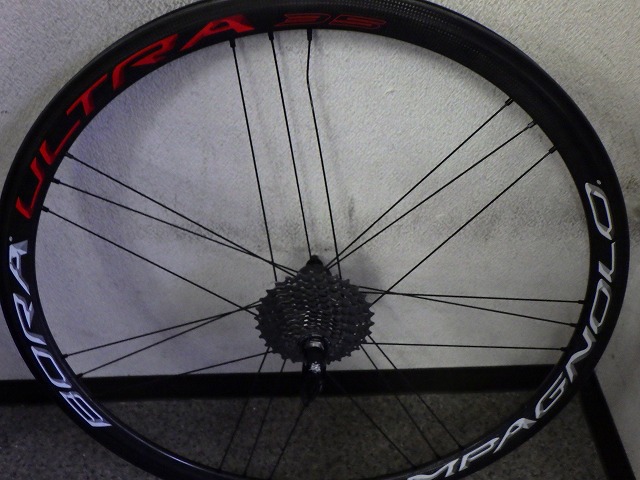
I received the rear wheel of a Bora Ultra 35 from a customer.
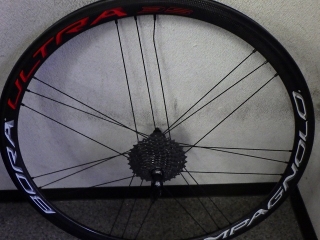
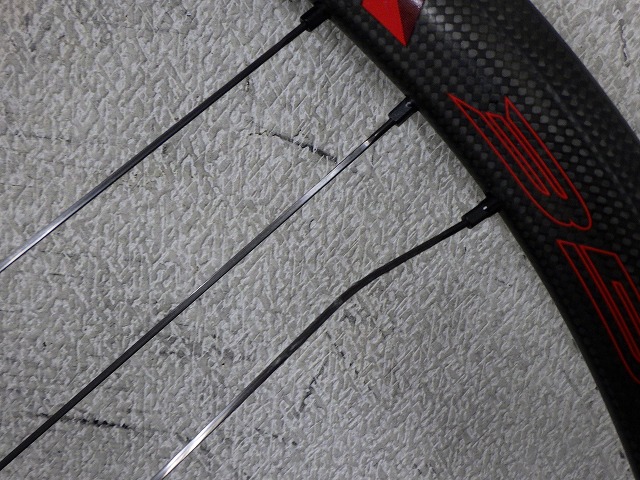
One spoke was bent from a crash.
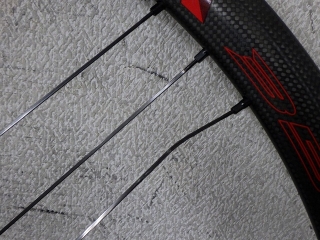
↑If it were just this, it would be a simple fix,
but there was an issue that meant spoke replacement alone wouldn't fix it.
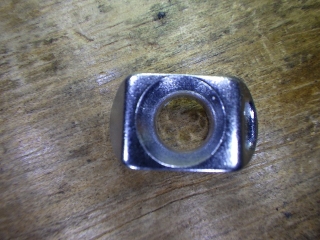
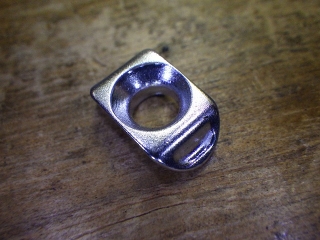
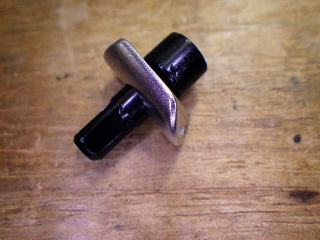
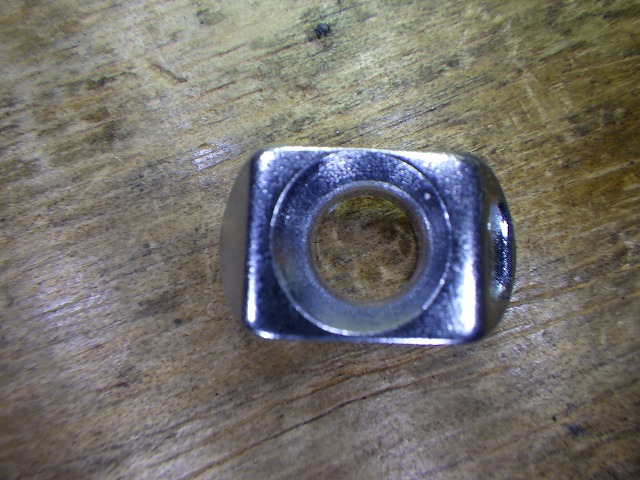
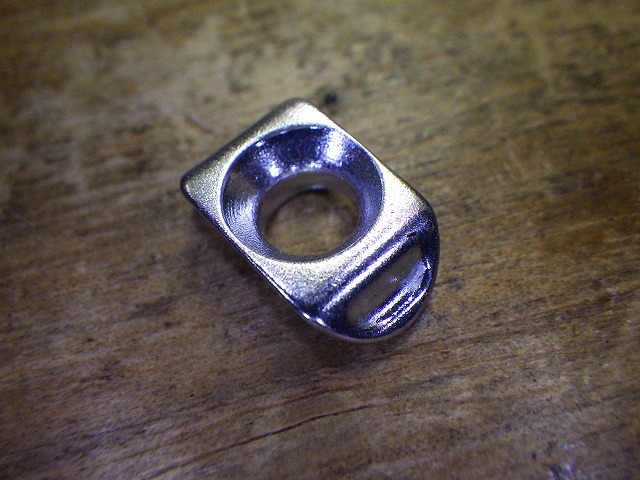
↑This is unrelated to Campagnolo wheels—
it's an oversized nipple compared to standard sizing,
with an aluminum washer to receive it.
On wheels like the Bola,
a carbon washer with a similar shape to this one
is adhesively bonded to the inside of the rim hole during rim molding.
When a spoke receives a major impact,
it rarely happens, but the thin lateral sides can crack,
and the resulting fragments fall inside the rim.
This happened on this wheel too,
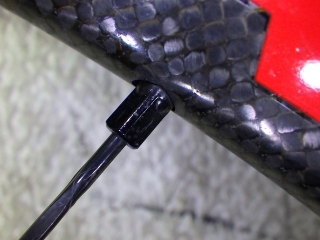
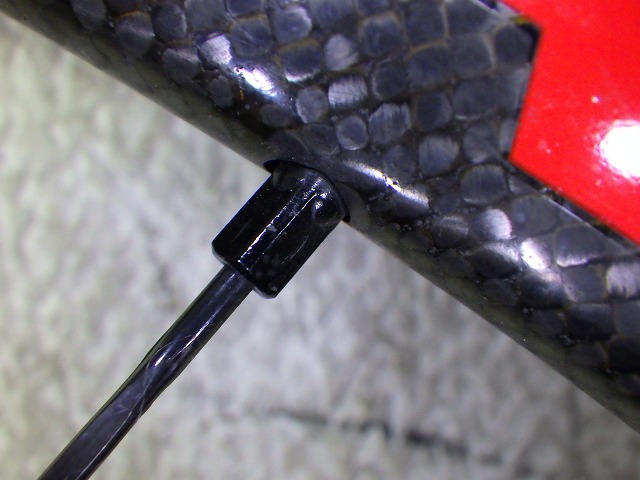
Normally the nipple protrusion should look
like this,
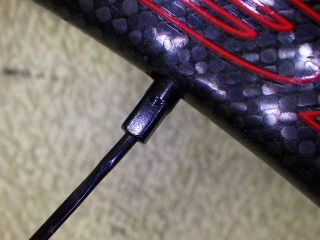
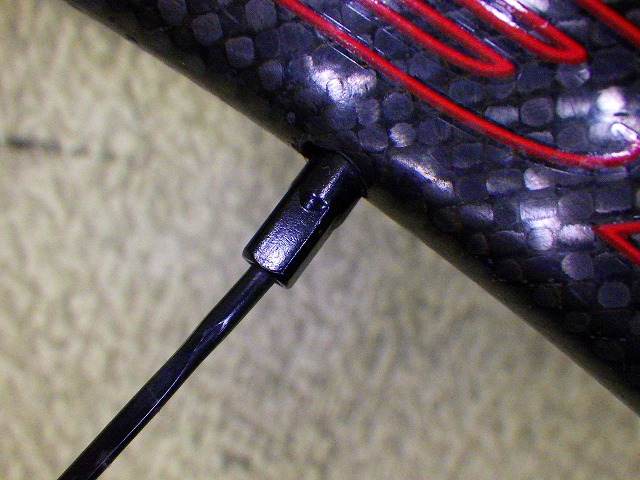
but at the bent spoke location, when you pull the spoke inward toward the hub,
it looks like this.
The customer came from quite far away
to bring this wheel in,
and according to an acquaintance who referred them to our shop,
they said something like "there's no wheel that のむラボ can't fix."
I don't know who's saying that, but they've got some nerve.
They also said "if のむラボ says it can't be done, give up because nowhere else can fix it either,"
but honestly that's fine with me.
Since there are no cracks around the rim hole,
I should be able to fix it if I can solve just the washer issue.
It's a discontinued model and new ones are hard to find and expensive,
so I want to make this work.
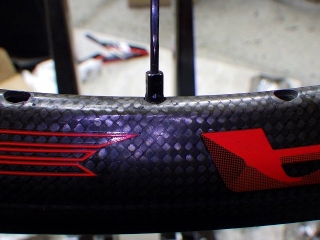
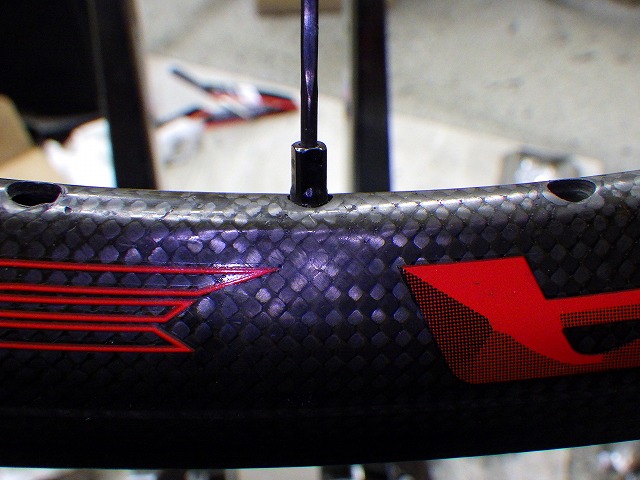
I temporarily removed the G3-pattern free-side spoke
that runs parallel to the bent spoke.
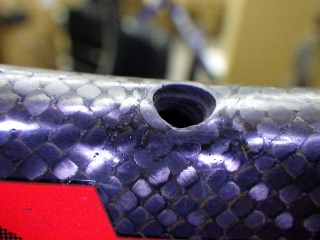
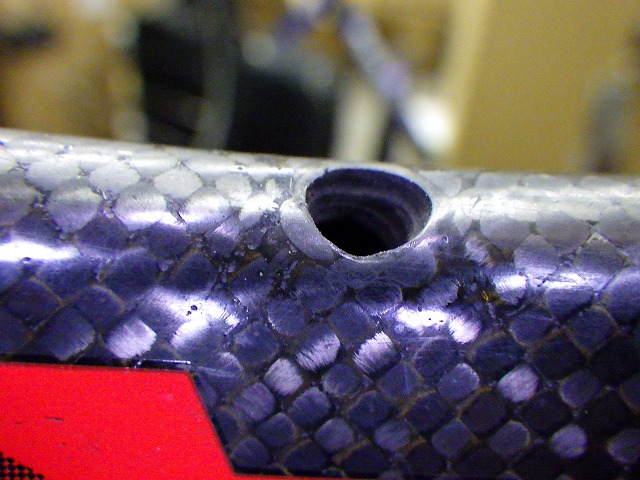
↑Normal rim hole
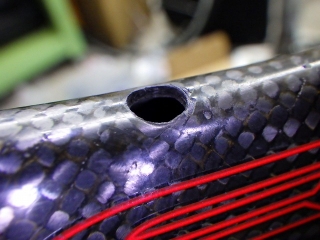
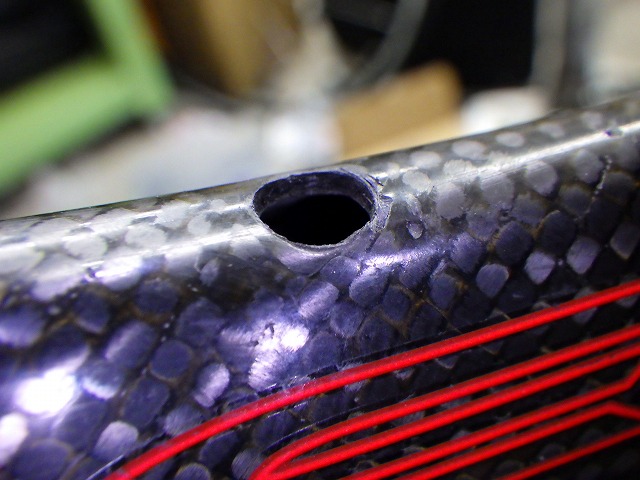
↑Rim hole with broken washer
The thickness is different.
Also, the broken washer fragments
have fallen out of the rim and are gone.
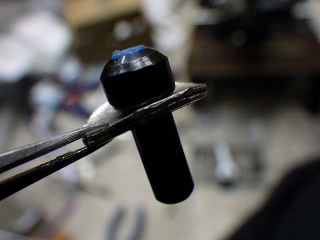
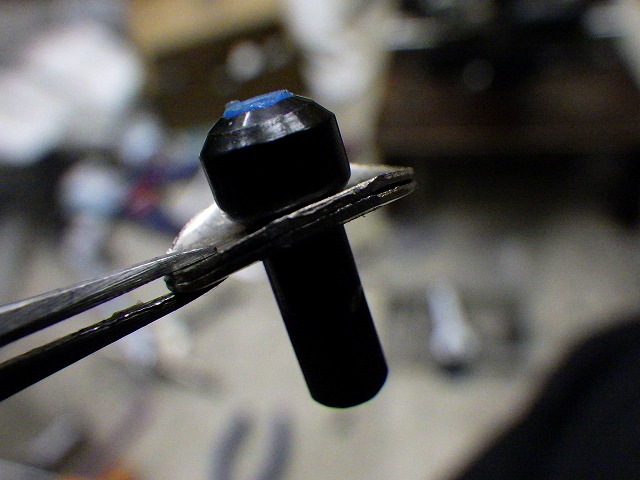
I bonded two old-type Sapim Nipple Washer B (old-B) washers together
and threaded the dedicated nipple through.
The nipple wouldn't fit through the washers,
so I ground them with a router.

Additionally, I later discovered that neither old-B nor new-B washers
would fit into the Bola's valve hole (the outer diameter side is larger),
so I ground down the side of the washer to barely fit it through.
I guide this in with a magnet,
but choosing the old-B washer made the work much harder.
I chose the old-B because it seemed to require less machining,
but the new-B washer only responds faintly to the magnet,
whereas the old-B washer responds strongly.
When rebuilding old ZIPP wheels where the old-B washer was used,
you can almost retrieve it in one go by holding a strong magnet to the rim
(→here).
For rims that don't have holes on the outer diameter side except for the valve hole,
I attach a magnet-responsive adapter to the nipple's threaded hole
and use a magnet to call it up.
In this case, the old-B washer responded more strongly to the magnet,
so I had trouble retrieving the nipple.
Also, there's a reason why the washer doesn't fall off the nipple,
but I'm saving that as a meal-ticket tip for later.
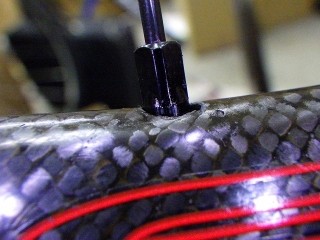
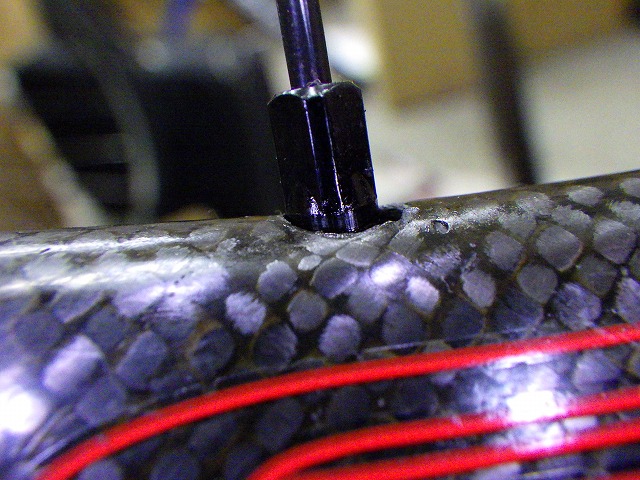
With two washers, I got the protrusion to look almost like the original.
The nipple has more friction resistance than the original state,
but because the neck is thicker than a standard nipple,
it won't be cut or break at the edge of the washer hole contact point.
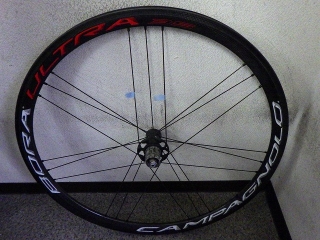
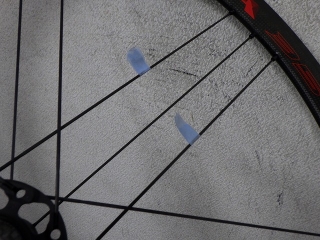
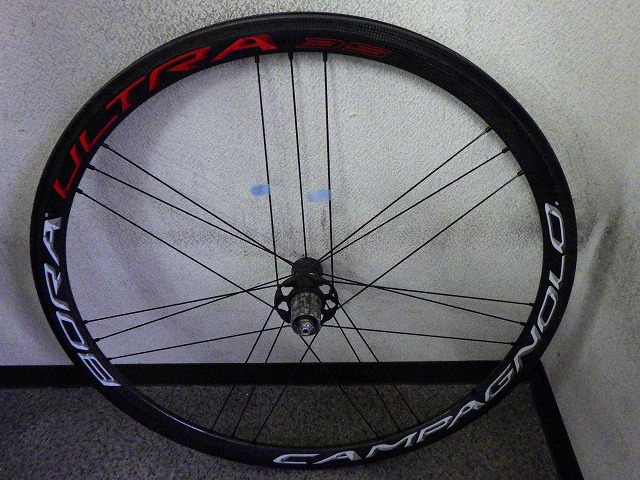
Fixed.
I've put back the spokes and nipples I removed for inspection.
The tape affixed is a marker for the spokes I completely released
or removed the tension from.
When I trued the wheel by adjusting only these two nipples,
areas with even faint runout appeared.
That's essentially "the state of the wheel one second before the crash."
Only after I did fine lateral trueing did I first use the center gauge,
and just as I predicted to the customer,
the rim was offset toward the freewheel side.
This is a typical pattern from years of use.
I did the centering, but since the customer was watching,
I didn't take photos.
By the way, the front wheel they brought in
had sections that were perfectly centered and sections that weren't
(if you take a measurement on one side and apply the gauge to the other side,
rotating the gauge, you get phases where it rubs the rim and phases where it doesn't).
This happened because the wheel developed runout
after it had been perfectly centered.
Since the amount of center offset in the off-center sections was minimal,
I told them that if I trued one side heavily,
the center would probably come out on its own.
So I chased down small runouts and sure enough,
the center came out naturally.
It was like solving a Rubik's Cube that had only been twisted a few times
from a solved state.
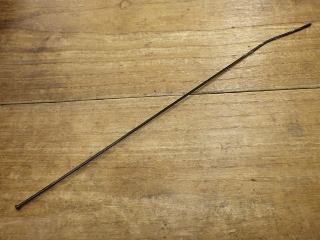
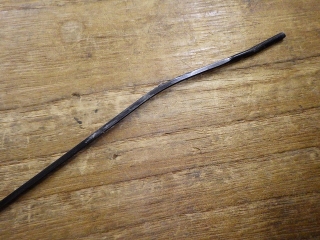
↑Replaced spoke
I also replaced the nipple with a new one, though that's not shown in the photos.
One spoke was bent from a crash.
↑If it were just this, it would be a simple fix,
but there was an issue that meant spoke replacement alone wouldn't fix it.

↑This is unrelated to Campagnolo wheels—
it's an oversized nipple compared to standard sizing,
with an aluminum washer to receive it.
On wheels like the Bola,
a carbon washer with a similar shape to this one
is adhesively bonded to the inside of the rim hole during rim molding.
When a spoke receives a major impact,
it rarely happens, but the thin lateral sides can crack,
and the resulting fragments fall inside the rim.
This happened on this wheel too,
Normally the nipple protrusion should look
like this,
but at the bent spoke location, when you pull the spoke inward toward the hub,
it looks like this.
The customer came from quite far away
to bring this wheel in,
and according to an acquaintance who referred them to our shop,
they said something like "there's no wheel that のむラボ can't fix."
They also said "if のむラボ says it can't be done, give up because nowhere else can fix it either,"
but honestly that's fine with me.
Since there are no cracks around the rim hole,
I should be able to fix it if I can solve just the washer issue.
It's a discontinued model and new ones are hard to find and expensive,
so I want to make this work.
I temporarily removed the G3-pattern free-side spoke
that runs parallel to the bent spoke.
↑Normal rim hole
↑Rim hole with broken washer
The thickness is different.
Also, the broken washer fragments
have fallen out of the rim and are gone.
I bonded two old-type Sapim Nipple Washer B (old-B) washers together
and threaded the dedicated nipple through.
The nipple wouldn't fit through the washers,
so I ground them with a router.

Additionally, I later discovered that neither old-B nor new-B washers
would fit into the Bola's valve hole (the outer diameter side is larger),
so I ground down the side of the washer to barely fit it through.
I guide this in with a magnet,
but choosing the old-B washer made the work much harder.
I chose the old-B because it seemed to require less machining,
but the new-B washer only responds faintly to the magnet,
whereas the old-B washer responds strongly.
When rebuilding old ZIPP wheels where the old-B washer was used,
you can almost retrieve it in one go by holding a strong magnet to the rim
(→here).
For rims that don't have holes on the outer diameter side except for the valve hole,
I attach a magnet-responsive adapter to the nipple's threaded hole
and use a magnet to call it up.
In this case, the old-B washer responded more strongly to the magnet,
so I had trouble retrieving the nipple.
Also, there's a reason why the washer doesn't fall off the nipple,
but I'm saving that as a meal-ticket tip for later.
With two washers, I got the protrusion to look almost like the original.
The nipple has more friction resistance than the original state,
but because the neck is thicker than a standard nipple,
it won't be cut or break at the edge of the washer hole contact point.

Fixed.
I've put back the spokes and nipples I removed for inspection.
The tape affixed is a marker for the spokes I completely released
or removed the tension from.
When I trued the wheel by adjusting only these two nipples,
areas with even faint runout appeared.
That's essentially "the state of the wheel one second before the crash."
Only after I did fine lateral trueing did I first use the center gauge,
and just as I predicted to the customer,
the rim was offset toward the freewheel side.
This is a typical pattern from years of use.
I did the centering, but since the customer was watching,
I didn't take photos.
By the way, the front wheel they brought in
had sections that were perfectly centered and sections that weren't
(if you take a measurement on one side and apply the gauge to the other side,
rotating the gauge, you get phases where it rubs the rim and phases where it doesn't).
This happened because the wheel developed runout
after it had been perfectly centered.
Since the amount of center offset in the off-center sections was minimal,
I told them that if I trued one side heavily,
the center would probably come out on its own.
So I chased down small runouts and sure enough,
the center came out naturally.
It was like solving a Rubik's Cube that had only been twisted a few times
from a solved state.
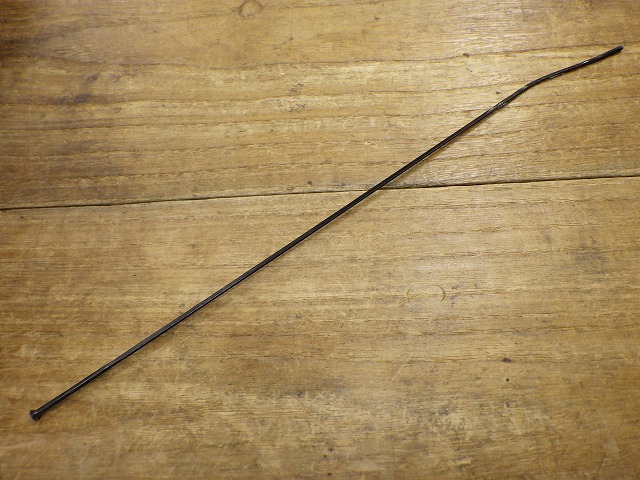
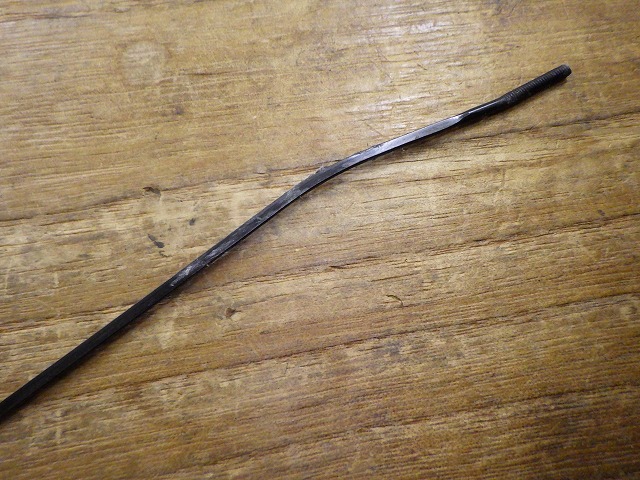
↑Replaced spoke
I also replaced the nipple with a new one, though that's not shown in the photos.