As the title says, I bought a rear wheel for the R9100 C60 WO wheel.
Yep, I bought it.
I can say with certainty this is the biggest waste of money this year.
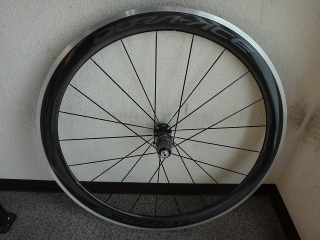
The rim side has only Dura-Ace markings,
giving it a simple appearance.

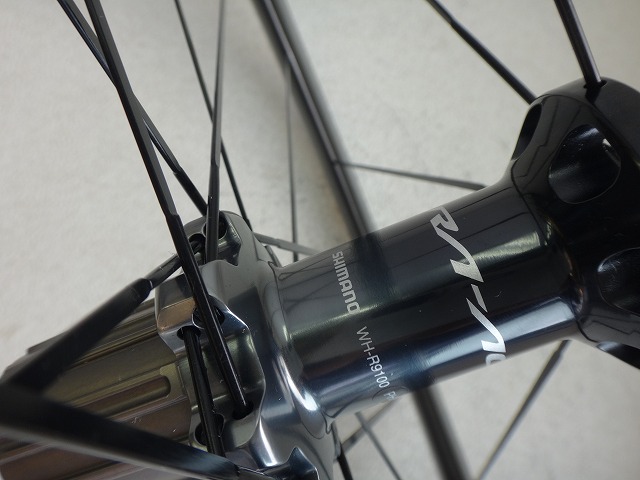
Currently, the "R9100 Dura-Ace hub" is only seen
on complete wheels,
but we've only had one wheel with this hub brought in before.
It was a C24 rear wheel where the bead hook was bent from buckling,
which we corrected.
I didn't take photos for an article back then.
Really just that one time—we've had zero C40 or C60 bring-ins so far.
With the C24, it had a symmetrical 20H rear hub on both sides,
but it did have this gradient color finish.
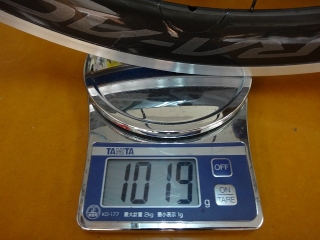
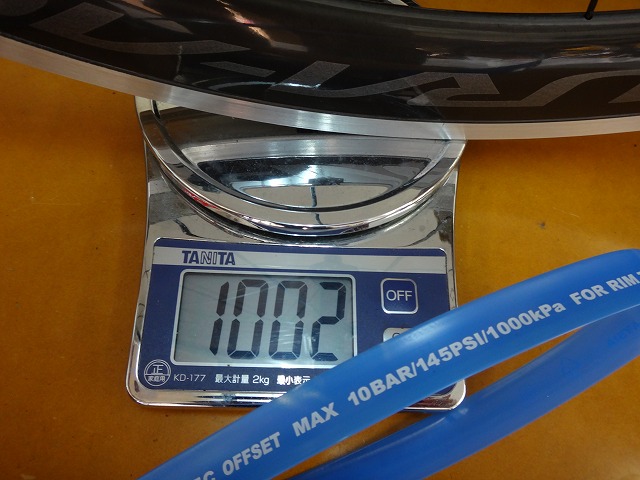
Actual measured weight. 1019g matches the spec weight exactly, but
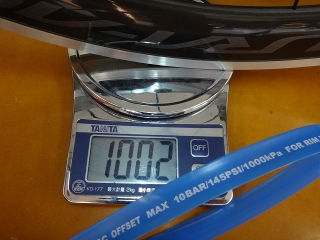
the spec weight is without rim tape, so actually it was 1002g.


Operating with the "if spokes get scratched during work, just build it anyway" philosophy
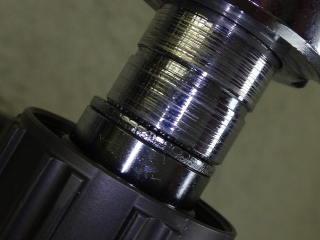
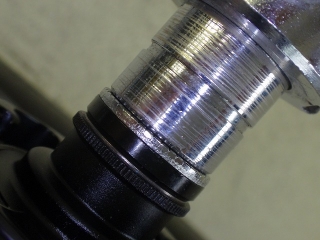
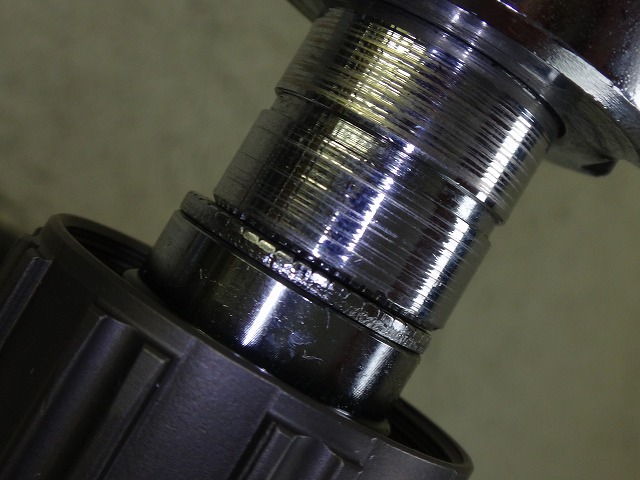
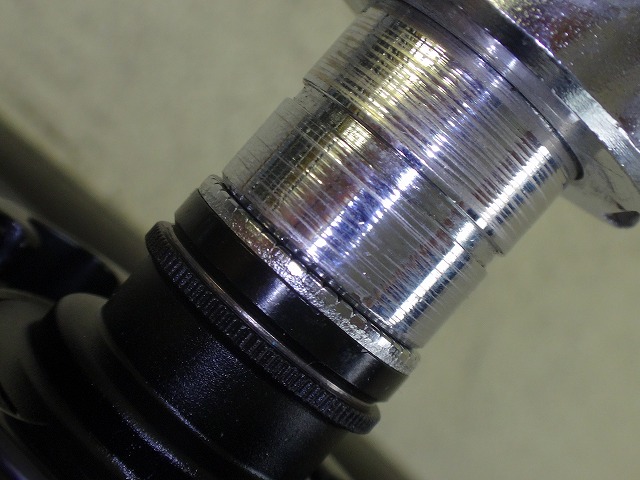
Perfect centering, virtually no runout.
As far as off-the-peg accuracy goes, it's excellent.
Or rather, that's how it should be.
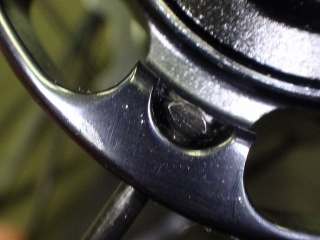
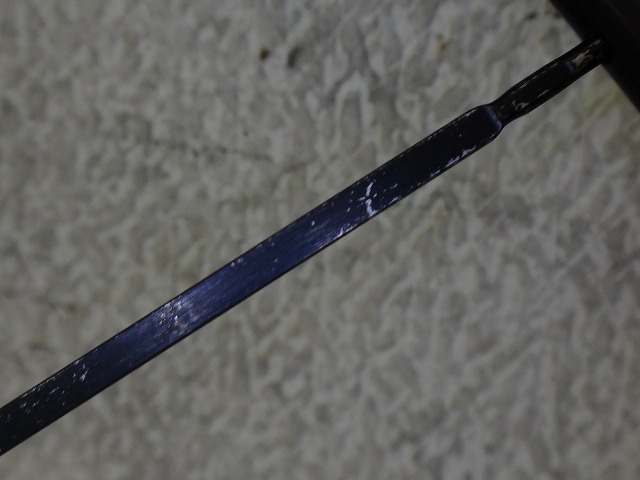
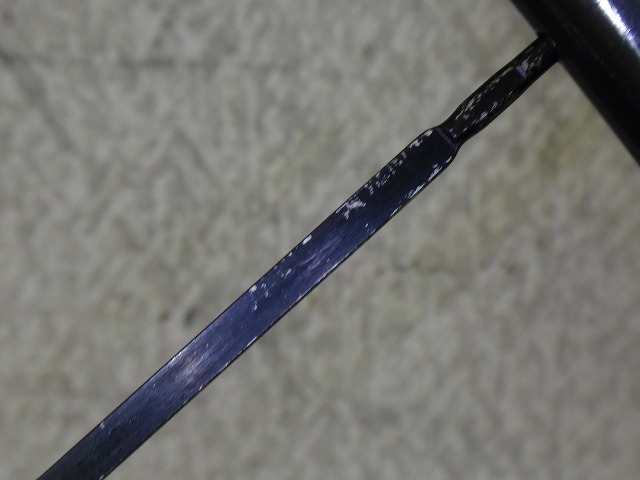
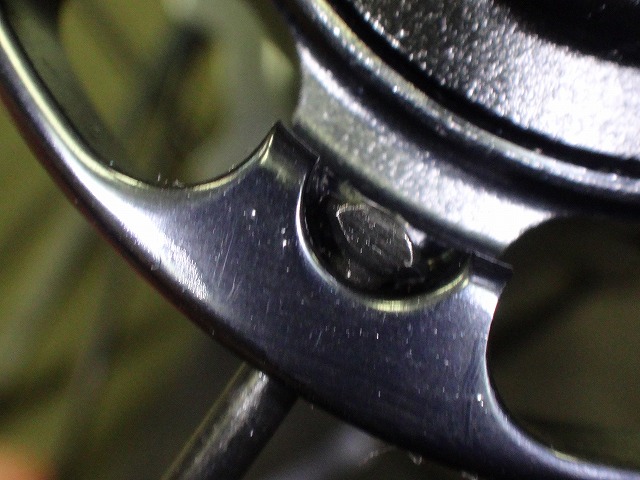
The straight-gauge spoke head has an anti-rotation crimp (→here) pressed in,
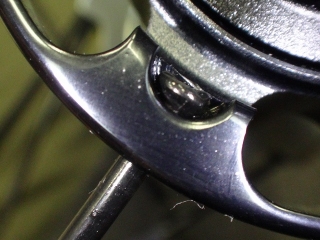
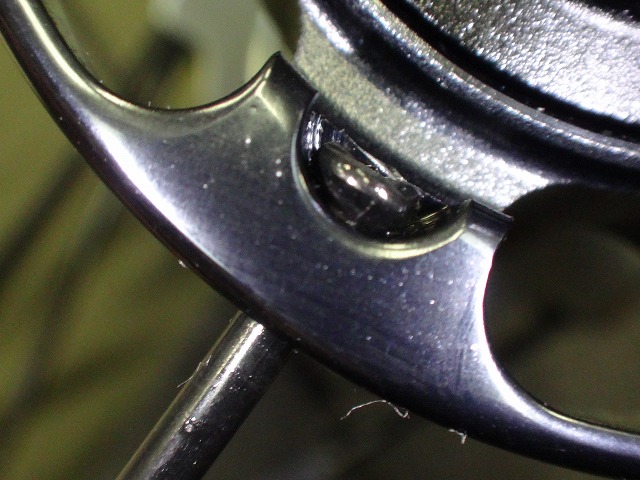
but it can be rotated 90° sideways,
so it doesn't seem to fit that tightly.
Actually though, on the non-freewheel side, as long as there's spoke tension,
it shouldn't rotate easily.
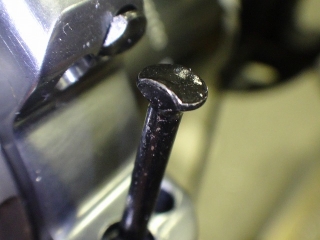
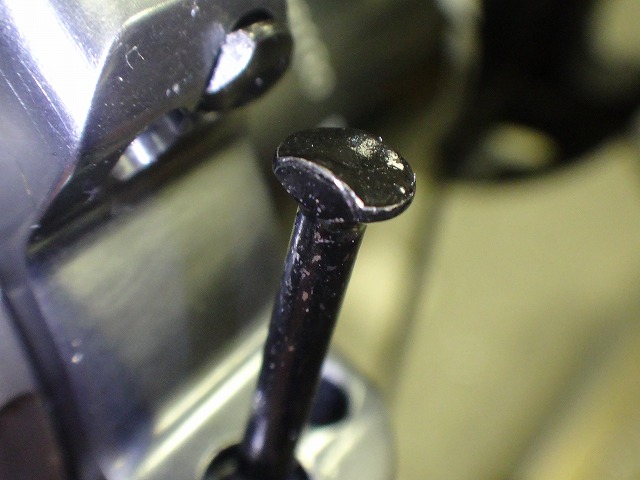
The freewheel-side spokes have the same crimp pressed in,
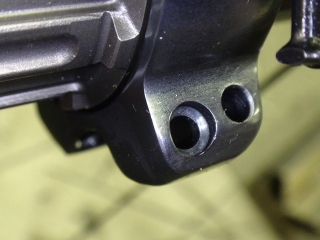
but given the shape of the hub flange holes, it's pointless.
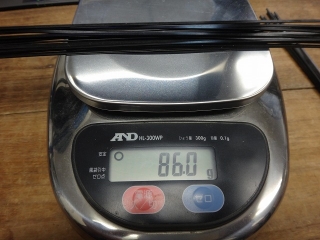
↑Freewheel-side spokes: 14 pieces
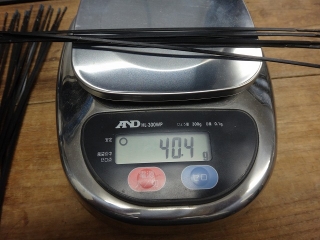
↑Non-freewheel-side spokes: 7 pieces
Since the butted sections have the same dimensions,
the spoke weight ratio should be the same despite length differences...in theory.
But in practice it was slightly different. The reason being:
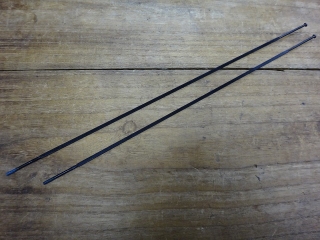
I laid the freewheel and non-freewheel spokes side by side.
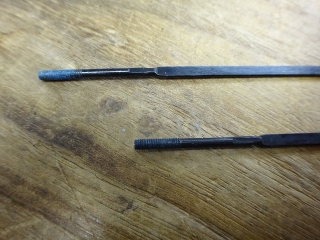
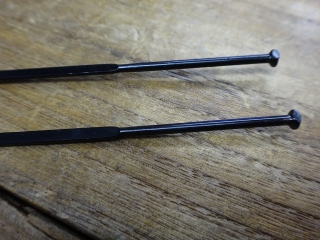
Apart from the rim side, the non-butted length on the hub side is identical and oddly long,
so even though the butted dimensions are the same left and right,
there's a slight difference in spoke weight ratio.
The spoke weight ratio came out to 82.7% for the freewheel side and 83.9% for the non-freewheel side.
When rebuilding, I plan to use different spokes for the freewheel side,
so I need to know the original spoke weight ratio to judge
whether the replacement falls within an appropriate range.
Now, the moment you've been waiting for—the rim's actual measured weight:
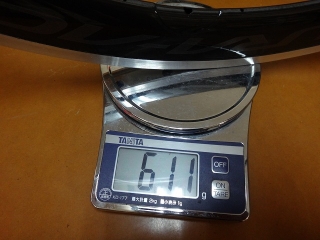
This is not good.
I'd predicted a weight distribution where the spoke ratio would be around 100% and the rim would weigh about 580g,
but it came in over 600g.
For the height-to-weight ratio of the Alcarbon deep rim,
this article (→here) might be useful reference.
Yep, I bought it.
I can say with certainty this is the biggest waste of money this year.

The rim side has only Dura-Ace markings,
giving it a simple appearance.
Currently, the "R9100 Dura-Ace hub" is only seen
on complete wheels,
but we've only had one wheel with this hub brought in before.
It was a C24 rear wheel where the bead hook was bent from buckling,
which we corrected.
I didn't take photos for an article back then.
Really just that one time—we've had zero C40 or C60 bring-ins so far.
With the C24, it had a symmetrical 20H rear hub on both sides,
but it did have this gradient color finish.

Actual measured weight. 1019g matches the spec weight exactly, but
the spec weight is without rim tape, so actually it was 1002g.
Operating with the "if spokes get scratched during work, just build it anyway" philosophy
Perfect centering, virtually no runout.
As far as off-the-peg accuracy goes, it's excellent.
Or rather, that's how it should be.
The straight-gauge spoke head has an anti-rotation crimp (→here) pressed in,
but it can be rotated 90° sideways,
so it doesn't seem to fit that tightly.
Actually though, on the non-freewheel side, as long as there's spoke tension,
it shouldn't rotate easily.
The freewheel-side spokes have the same crimp pressed in,
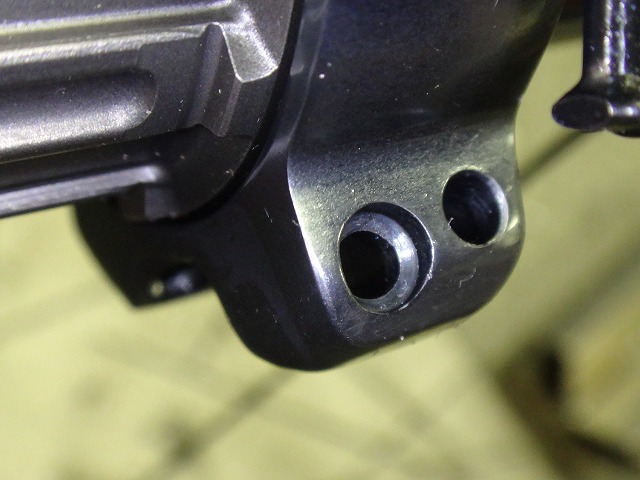
but given the shape of the hub flange holes, it's pointless.
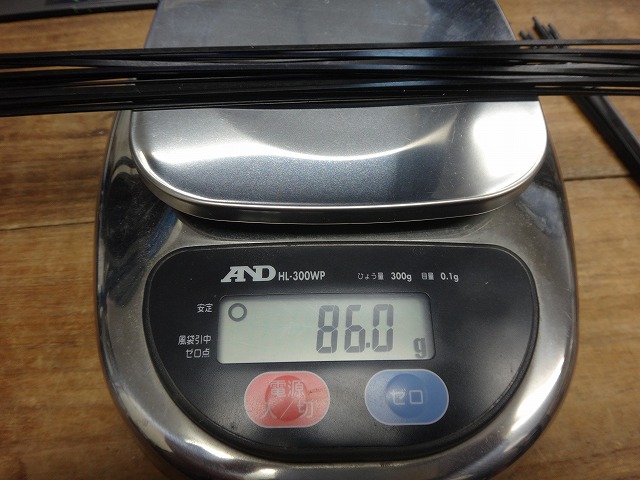
↑Freewheel-side spokes: 14 pieces
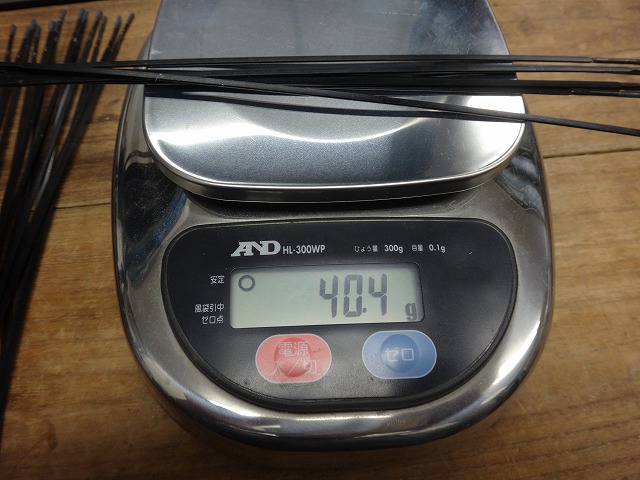
↑Non-freewheel-side spokes: 7 pieces
Since the butted sections have the same dimensions,
the spoke weight ratio should be the same despite length differences...in theory.
But in practice it was slightly different. The reason being:
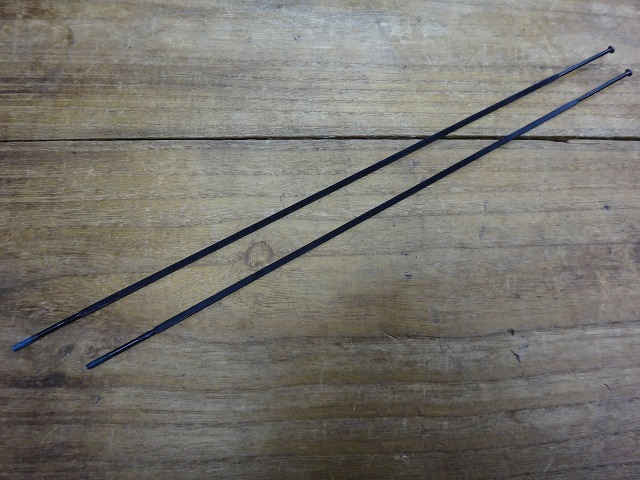
I laid the freewheel and non-freewheel spokes side by side.

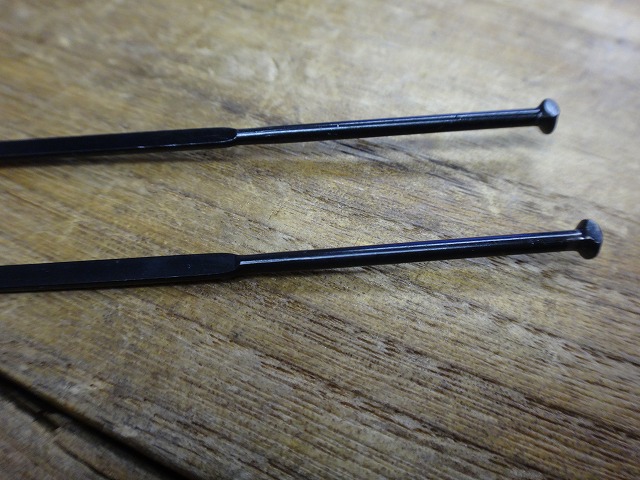
Apart from the rim side, the non-butted length on the hub side is identical and oddly long,
so even though the butted dimensions are the same left and right,
there's a slight difference in spoke weight ratio.
The spoke weight ratio came out to 82.7% for the freewheel side and 83.9% for the non-freewheel side.
When rebuilding, I plan to use different spokes for the freewheel side,
so I need to know the original spoke weight ratio to judge
whether the replacement falls within an appropriate range.
Now, the moment you've been waiting for—the rim's actual measured weight:

This is not good.
I'd predicted a weight distribution where the spoke ratio would be around 100% and the rim would weigh about 580g,
but it came in over 600g.
For the height-to-weight ratio of the Alcarbon deep rim,
this article (→here) might be useful reference.